An AI-generated video of Singapore Prime Minister Lawrence Wong was reportedly used in a $3.8 million fraud scheme, a case that lands close to home for Southeast Asia and sharpens regional fe
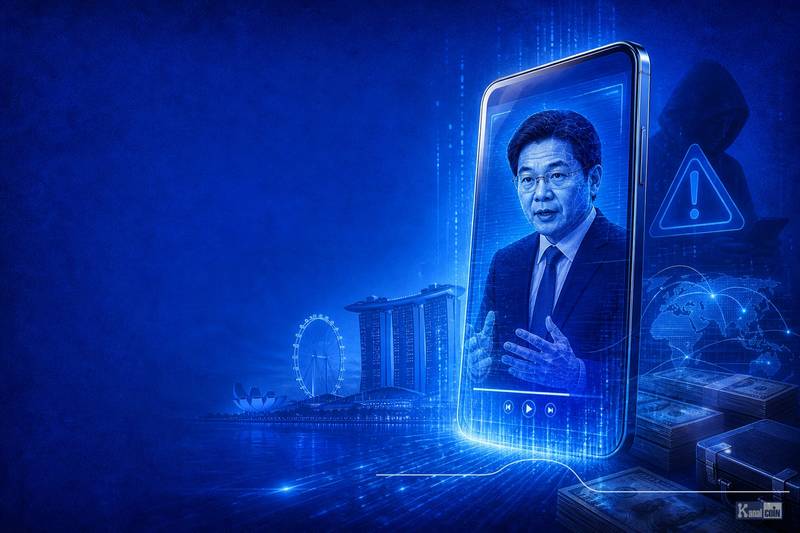
An AI-generated video of Singapore Prime Minister Lawrence Wong was reportedly used in a $3.8 million fraud scheme, a case that lands close to home for Southeast Asia and sharpens regional fears over deepfake-enabled financial crime.
TLDR Keypoints
- Scammers deployed an AI-generated video impersonating Singapore PM Lawrence Wong.
- A victim reportedly lost $3.8 million in the deepfake-driven scheme.
- Singapore authorities have warned the public about scams impersonating senior government officials.
What the report says about the AI-generated Lawrence Wong video
This article is based on a reported fraud case in which an AI-generated, deepfake-style video was used to impersonate Singapore Prime Minister Lawrence Wong. The report describes a scam that leaned on synthetic media rather than any genuine statement from the prime minister. For related coverage, see Cardano Jumps 11% After T. Rowe Adds ADA to Crypto ETF.
According to reporting on the case, a single victim was drawn into a deepfake video call and ultimately lost the reported sum, with the fabricated likeness of Wong used to lend the operation false credibility. Operational details beyond this remain limited, and the wider circumstances have not been independently confirmed here. For related coverage, see SEC Eyes Full Securities Lifecycle for Token Projects.
Singapore's police have issued an advisory on scams impersonating senior government officials, underscoring that fraudsters are increasingly borrowing the authority of public figures to disarm victims. For related coverage, see Rashida Tlaib’s Ethereum ETF in IRA Raises Crypto Questions.
Why deepfake-led scams are becoming a bigger financial threat
Public figures make attractive scam bait precisely because their faces and voices carry trust. When an impersonation deploys a convincing deepfake, victims lower their guard, and impersonation fraud risk rises across payments, investments, and crypto transfers alike. For related coverage, see Bitwise CEO Says BSOL Solana Staking ETF Drew Over $20M in Inflows.
Wong himself has warned the public directly, noting on LinkedIn that a number of scams have used deepfakes of his likeness. Singapore's Cyber Security Agency has separately flagged the threat in its advisory on deepfake risks.
For Southeast Asia's 700 million people, the case is a pointed reminder to verify before transferring funds. The same synthetic-media playbook that targets government likenesses is a live concern for exchange users across the region, echoing broader industry scares such as The Sandbox halting cross-chain bridging after a token exploit. Regional platforms including Coins.ph, Tokocrypto, and Upbit KR increasingly frame identity and video verification as frontline defenses against impersonation fraud.
Disclaimer: This article is for informational purposes only and does not constitute financial or investment advice. Cryptocurrency and digital asset markets carry significant risk. Always do your own research before making decisions.
Read original article on kanalcoin.com