Policy6 min read
XRPL Wallets Move Inside Apps With Privy
Key Takeaways Privy lists XRP Ledger among the networks supported by its wallet infrastructure. Apps can connect XRPL wallet creation to their existing login and user-account flow. XRPL suppo
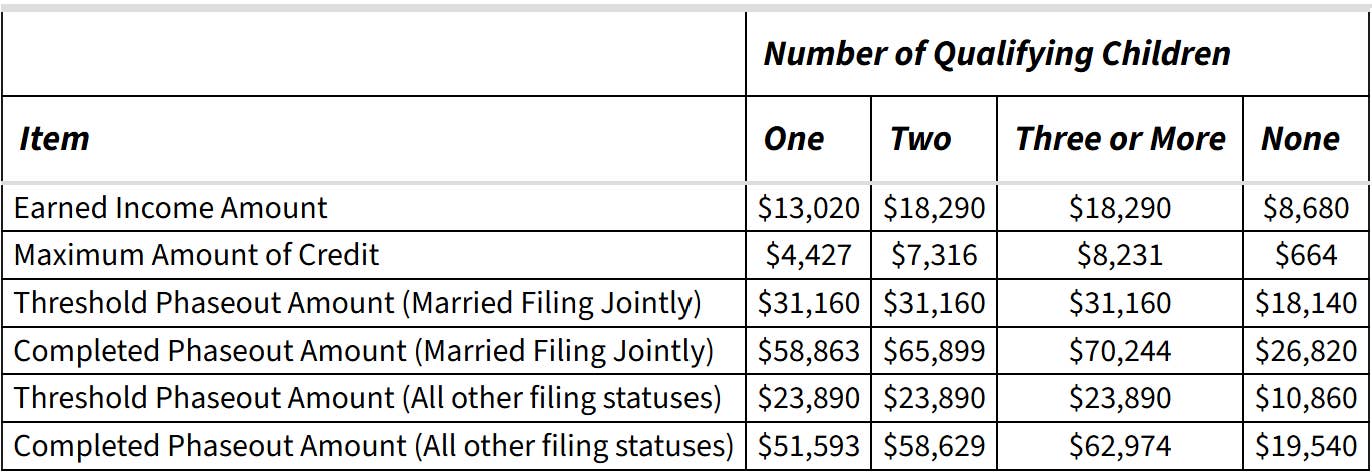
The IRS just raised one of its biggest tax credits for working families. Some Americans can now claim up to $4,427 with one child, and over $8,000 with three or more. But there's one catch: c
The IRS just raised one of its biggest tax credits for working families. Some Americans can now claim up to $4,427 with one child, and over $8,000 with three or more.
But there's one catch: crypto profits can cost you the entire credit.
Only 25% of crypto investors are tax-compliant, says crypto tax expert (2:11)It's called the Earned Income Tax Credit (EITC).
It has existed since 1975, and you claim it when you file your federal tax return.
It's built for low- to moderate-income workers, and it's refundable. That means the IRS can send you money back even if you owe no tax at all.
The new 2026 amounts, raised for inflation:
• No children: up to $664
• One child: up to $4,427
• Two children: up to $7,316
• Three or more: up to $8,231
The exact amount depends on your income, filing status and family size.
To qualify with one child, your income generally has to stay below $51,593 ,or $58,863 for married couples filing together.
Related: 3 decisions fueled Trump's rise, Anthony Scaramucci says
Here is the rule that trips people up.
Your investment income, separate from your salary, cannot be more than $12,200 in 2026.
And it's a cliff.
Go even one dollar over, and you lose the whole credit.
Crypto counts.
The IRS treats Bitcoin and other cryptocurrencies as property, so selling at a profit creates a capital gain, and capital gains count toward that $12,200 limit, along with interest and dividends.
A simple example.
A worker earns $30,000 a year and qualifies for the credit. If that same worker also made $12,300 trading crypto this year, the credit is gone — all of it — even though the salary is well within the limits.
Two more things traders miss.
Swapping one coin for another — Bitcoin for Ether, say — counts as a sale for tax purposes, even if you never touched dollars.
And staking rewards are taxable income the moment you control them, which raises your overall income and can affect eligibility too.
Source: IRSEligible workers must file Form 1040 or Form 1040-SR even if they would not otherwise be required to file a federal return.
Those claiming a qualifying child must also attach Schedule EITC.
By law, the IRS cannot issue refunds on returns claiming the EITC before mid-February.
The restriction applies to the entire refund, not only the portion tied to the credit. Taxpayers can track their payment using the IRS tool 'Where’s My Refund'.
Before counting on the money, crypto traders should add up their year: the gains on Form 8949 and Schedule D, plus interest and dividends, against that $12,200 line.
This article is for informational purposes only and does not constitute tax advice. Eligibility can depend on individual circumstances, and taxpayers should consult IRS guidance or a qualified tax professional before filing.
Related: Roundtable 100 analyst sees a hidden opportunity in PayPal