Beyond Trading: How Utility Tokens Connect Digital Platforms and Real-World Industries Crypto tokens are often evaluated through market prices, trading volumes, and supply dynamics. However,
Beyond Trading: How Utility Tokens Connect Digital Platforms and Real-World Industries
Crypto tokens are often evaluated through market prices, trading volumes, and supply dynamics. However, some are built to serve functions beyond trading, linking blockchain-based services with activities in specific industries.
Creating that link takes more than issuing a digital asset. Its purpose must align with the services available, while the underlying business needs to address real user requirements. This becomes especially important in sectors where transactions involve physical assets, established procedures, and multiple parties.
Utility tokens can support a range of functions within a digital service, from granting access to certain features to facilitating transactions or interactions between users.
Their roles differ from one project to another. Some are integrated into everyday platform activities, while others have a narrower purpose. Understanding their value therefore requires examining how they are used, not just how they perform in the market.
The product itself provides essential context. Without a clear connection between a token's function and the services it supports, its practical purpose can be difficult to assess.
Applying blockchain to an established sector introduces challenges that purely digital businesses may not face. In property, for instance, transactions involve physical assets, legal documentation, ownership rights, and reliable information.
Blockchain can help organize records and transaction processes, but it cannot independently resolve every legal or operational issue. Digital services must still account for verification, interactions between participants, and existing industry practices.
These requirements influence how a token can be used. Its practical relevance depends on whether its function supports activities that people actually need to carry out.
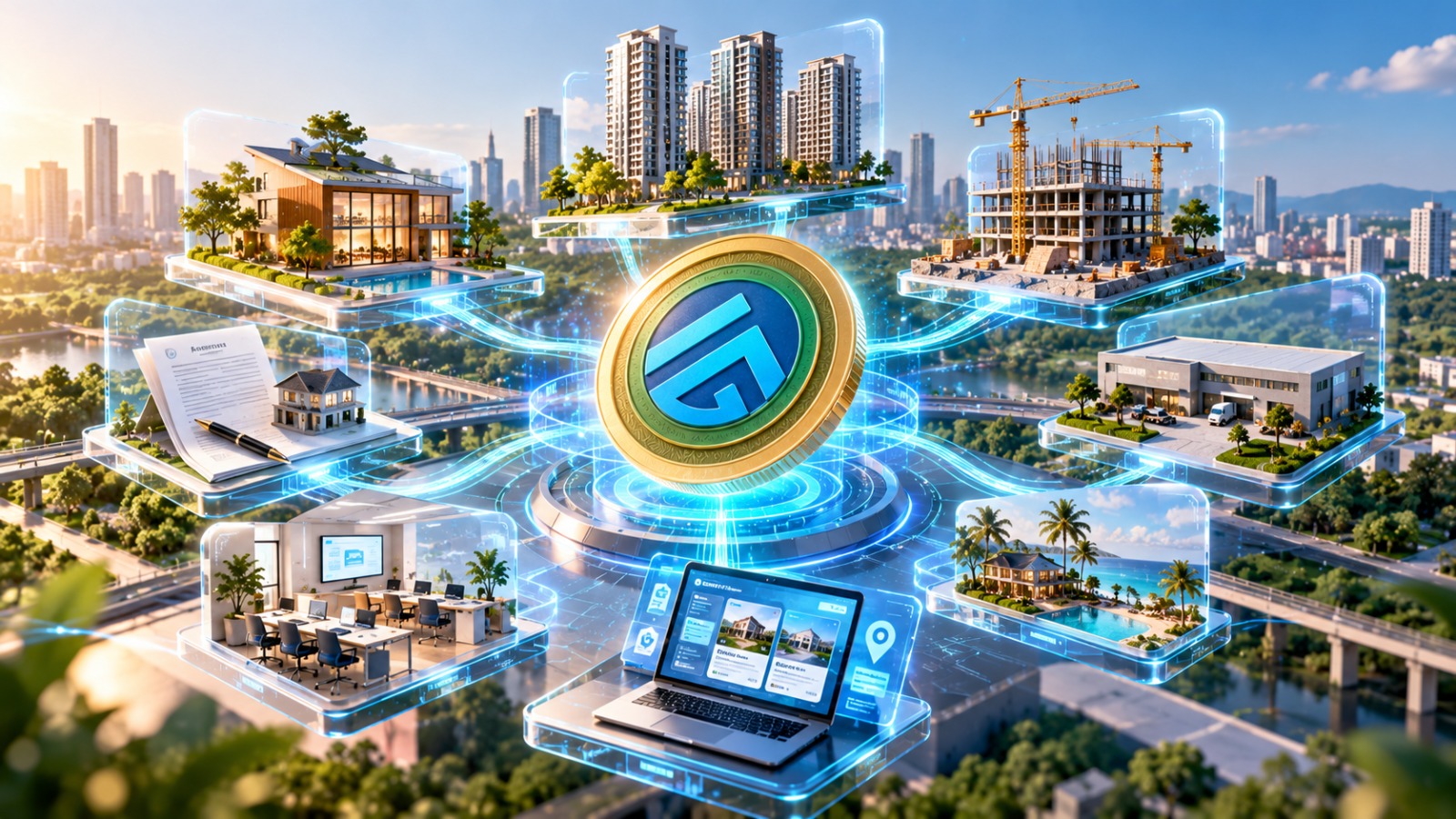
AsetQu brings digital assets into the context of the property industry. Through AsetQu Hub, the project seeks to connect property-related services with blockchain technology, with AsetQu Token intended to support utility within that environment.
The model combines a property-focused service platform with a digital token. Understanding how the two relate is key to assessing the project's approach: the services establish the context, while the token has a specific intended role within it.
Property is an interesting case because transactions have traditionally relied on documentation, intermediaries, and information exchanged among different parties. Digital services may offer alternative ways to organize these processes, although their effectiveness depends on implementation and the requirements of individual transactions.
In this context, AsetQu's approach extends beyond the token itself. The broader question is how blockchain-based services and token utility can work together to support property-related activities.
Several factors help explain the relationship between a utility token and the service behind it: how clearly its function is defined, whether that function is relevant to users, and how it fits into the product's operations.
Transparency matters, too. Details about supply, distribution, and intended use give participants a clearer picture of how the system works. Such information can help them assess its structure without relying solely on market indicators.
For projects serving established industries, commercial realities are equally important. The technology must accommodate sector-specific requirements, and the services offered need to address practical needs rather than exist simply to support a token.
Bringing digital assets into real-world industries involves more than recording them on a blockchain. It requires a meaningful connection between the asset, the services around it, and the people expected to use them.
Utility tokens are one component of this relationship. Their relevance comes down to what they enable and how well that purpose fits the wider business model. As blockchain applications enter fields such as property, examining their practical role provides a more complete picture than price movements or supply figures alone.
Instagram : @asetqu_official
Tiktok : @asetqu_official
Twitter : @AsetQu_Official
Website : www. asetquhub.com