Binance joins STOP THE TRAFFIK in anti-human trafficking effort
Binance has partnered with nonprofit STOP THE TRAFFIK to bolster its ability to identify and investigate cryptocurrency activity linked to human trafficking and child exploitation. The crypto
A
AnonymousCryptoCompass newsroom
July 23, 2026
1 min read
NEWS
CryptoCompass editorial visual for policy coverage.
Binance has partnered with nonprofit STOP THE TRAFFIK to bolster its ability to identify and investigate cryptocurrency activity linked to human trafficking and child exploitation.
The crypto exchange said Thursday that it will receive specialized intelligence, training and insights from the UK group’s Centre for Intelligence-Led Prevention, to help identify emerging criminal typologies and strengthen investigations into illicit activity linked to human trafficking.
The collaboration will also include intelligence sharing and staff training aimed at improving the exchange’s compliance and financial crime detection capabilities.
The partnership is Binance’s latest effort to strengthen its compliance operations amid scrutiny of its sanctions controls.
In May, The Wall Street Journal reported that Iran-linked entities moved hundreds of millions of dollars through Binance despite the exchange’s post-settlement compliance overhaul.
The 2022 Global Estimates of Modern Slavery estimated that 49.6 million people were living in modern slavery in 2021, while The NASDAQ 2026 Global Financial Crime Report estimated human trafficking generated about $528.5 billion in illicit proceeds in 2025.
The best crypto to buy now is Pepeto, a presale priced at $0.0000001888 with $10.6 million already in and stages selling out fast, while the old names fight over scraps: Fidelity is squeezing
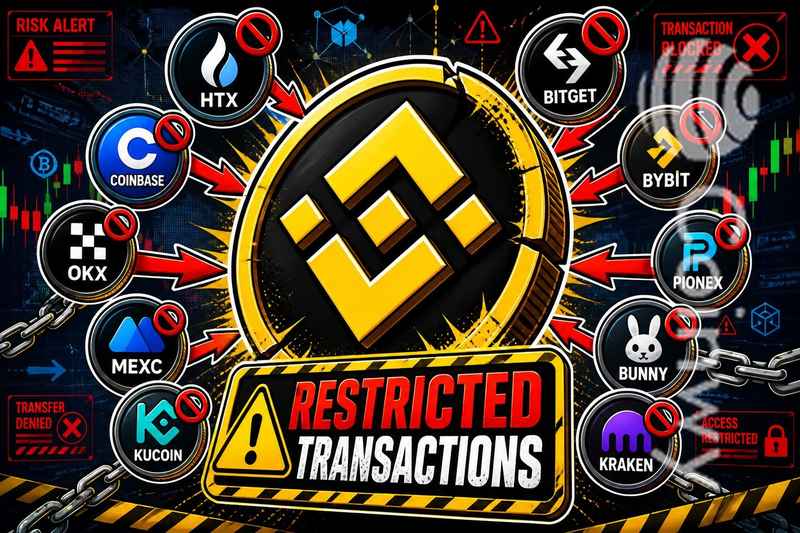
Binance is moving to restrict transactions involving HTX and 10 other crypto platforms, a policy change that narrows how users can route certain transfers between the exchange and the named c
Ripple’s payment network reportedly exceeds $100 billion processed, while XRP supports liquidity across multiple institutional payment corridors. More than 100 financial institutions across 5