Binance proof of reserves now has a zero-knowledge verification layer. Binance said on November 14 that users can independently check its latest snapshot, following October’s security inciden
Binance proof of reserves now has a zero-knowledge verification layer. Binance said on November 14 that users can independently check its latest snapshot, following October’s security incident. Major cryptocurrencies were also falling that day.
Key Takeaways
- Binance generated a new zero-knowledge proof for a snapshot covering 198 tokens, according to the exchange.
- The six highlighted reserve ratios range from 100.02% for ETH to 105.86% for SOL.
- Binance says it replenished affected assets and committed more than $6.34 billion in corporate funds to cover losses.
- Bitcoin, ETH and BNB were lower on November 14, but the data doesn’t show that the reserve update caused the declines.
What happened with Binance proof of reserves
Binance announced the new proof on November 14. U.Today reported that users can check whether the exchange holds at least one unit of each covered asset for every unit owed to customers. The latest figures highlight Bitcoin, Ethereum, BNB, USDT, USDC and Solana.
U.Today reported reserve ratios of 100.05% for BTC, 100.02% for ETH, 100.39% for BNB, 100.07% for USDC, 104.34% for USDT and 105.86% for SOL. Binance’s BTC reserves were reported at 688,283 BTC, against net user balances of 687,912 BTC.
Binance said the snapshot was taken November 12 at 08:00 UTC+8. Its November 13 announcement said it covered 198 tokens and that generating the full zero-knowledge proof was initially expected to take about 40 to 50 hours. The ratios above apply to six named assets, not necessarily every token in the snapshot.
Binance describes the proof as evidence of assets held in custody for users, not a complete accounting of corporate holdings. A snapshot can show backing for covered customer liabilities at one point in time, but doesn’t disclose every liability or establish the exchange’s overall financial health.
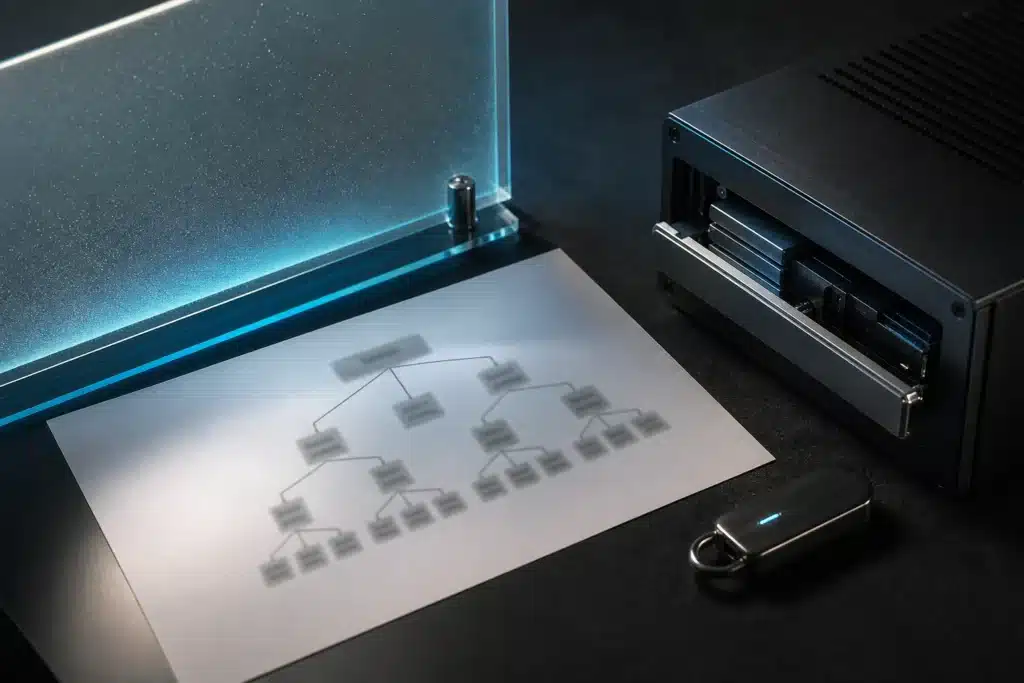
A zero-knowledge proof can verify backing without exposing individual balances.
Background and context
The new proof follows the October 29 security incident. In an October 30 update, Binance estimated losses at about $6.3 billion and said its initial investigation pointed to a potentially compromised DevOps engineer’s laptop. The exchange also said about $3 billion had been frozen on-chain at that stage.
Binance said that by November 3 it had rebuilt the affected wallet system and internal AI tool, replaced devices, deactivated related credentials and tokens, and strengthened anomaly detection and wallet risk controls.
On November 13, Binance said it had replenished affected assets, committed more than $6.34 billion in corporate funds to cover losses, and planned to restore its SAFU Fund to approximately $1 billion. U.Today reported that withdrawals were being restored in batches, with the final phase then scheduled for the following week. Replenishment and restoring access to withdrawals address different parts of the incident.
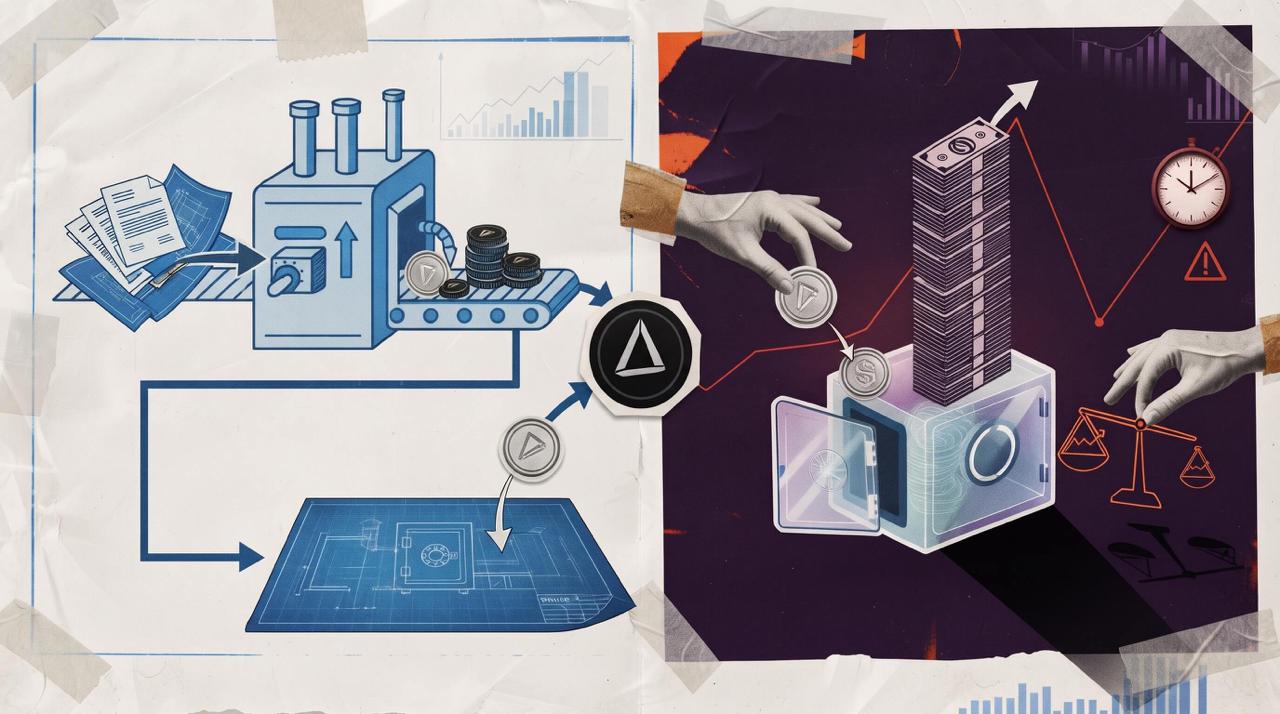
The verification design aims to let customers check inclusion without exposing private account balances. Binance’s explanation of its earlier proof says the system combines a Merkle Tree, which lets users confirm their account was included in a snapshot, with a zk-SNARK that demonstrates at least 1:1 backing without revealing individual balances. For more background, see how zero-knowledge proofs work and where their limits lie.
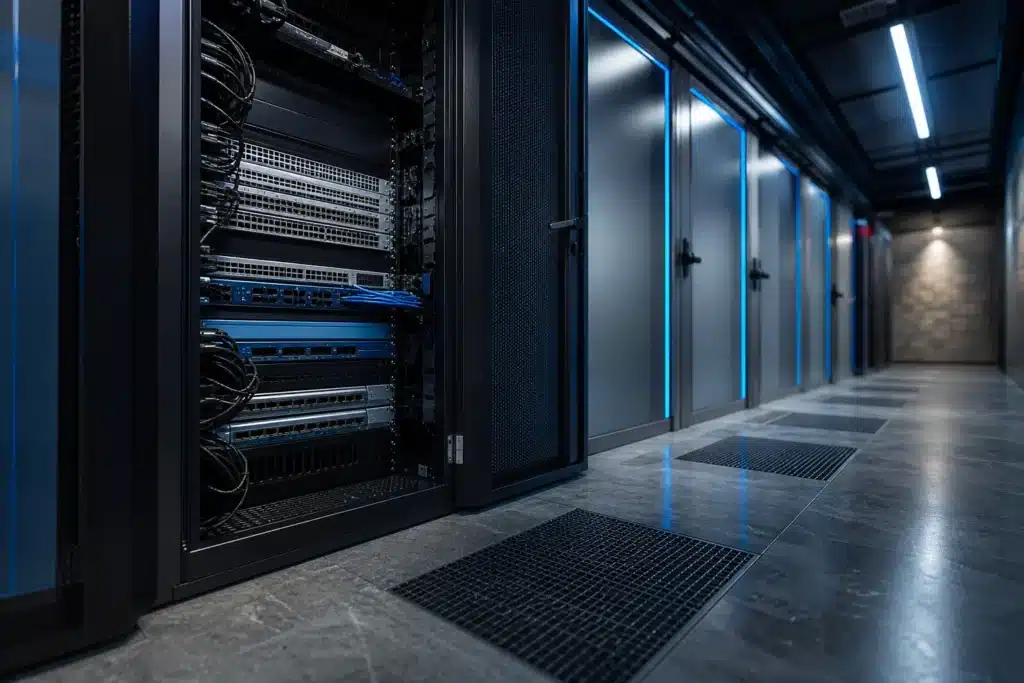
Binance says it rebuilt affected systems and replaced devices after the incident.
Market reaction to Binance proof of reserves
The reserve announcement came during a broad market selloff. At 17:13 UTC on November 14, Bitcoin was down 5.18% over 24 hours, ETH had fallen 5.82% and BNB 7.28%. These figures show market conditions, not that traders were reacting to Binance’s update.
Asset
Price at 17:13 UTC
24-hour change
Bitcoin (BTC)
$65,150
-5.18%
Ethereum (ETH)
$1,817.54
-5.82%
BNB
$585.25
-7.28%
Solana (SOL)
$72.31
-9.20%
The Crypto Fear & Greed Index was 13, or Extreme Fear, on November 14. It reflects wider market sentiment, not confidence in one exchange. A reserve ratio above 100% doesn’t remove exchange and custody risks. Users still face operational, cyber, regulatory and market risks, including the possibility of losing funds.
For incident context, see Binance’s reported loss coverage and recovery measures. Neither reporting nor a cryptographic proof can certify that every security control will prevent another breach.
Users will be watching for further updates on withdrawals and reserve snapshots.
What to watch next
Users will want to know whether they can complete the new verification process and whether Binance publishes comparable, regularly updated snapshots. When checking a proof, they need to confirm their account is included, note the snapshot date and distinguish customer assets in custody from total corporate finances.
Watch for the final withdrawal-restoration phase reported by U.Today and further details from Binance on replenishment and the SAFU Fund. On November 12, the FBI said the United States had seized more than $1.2 billion in cryptocurrency reported stolen from Binance. The Associated Press reported that government and private-sector freezes together exceeded $2.7 billion by then. These figures describe recovery and seizure efforts, not proof that all stolen assets have been returned to users.
The new verification layer may improve transparency, but it doesn’t replace incident disclosures, operational controls or independent scrutiny. Its value also depends on users being able to verify the data and understand what the proof leaves out.
FAQ
What does Binance proof of reserves show?
It lets users check whether covered account balances were included in a snapshot and whether reported reserves cover those balances at least 1:1. The figures relate to a specific snapshot, not every aspect of Binance’s finances.
How does Binance’s zero-knowledge proof protect privacy?
Binance says a zk-SNARK proves the backing condition without disclosing individual account balances. A Merkle Tree lets customers check whether their account was included.
Does Binance proof of reserves guarantee customer funds are safe?
No. A proof provides information about covered assets and liabilities at a snapshot in time. It doesn’t eliminate exchange, custody, cyberattack, regulatory or market risks, and cryptocurrency can lose value.
Related Articles
Sources
This article is for informational purposes only and does not constitute financial or investment advice. Cryptocurrencies are highly volatile; always do your own research before investing.
Read More:Binance Proof of Reserves Gets a Zero-Knowledge Upgrade">Binance Proof of Reserves Gets a Zero-Knowledge Upgrade