Bybit has sued North Korea and the Lazarus Group over what CoinDesk reported as a $1.5 billion crypto hack, turning a major exchange theft into a direct legal fight over accountability and re
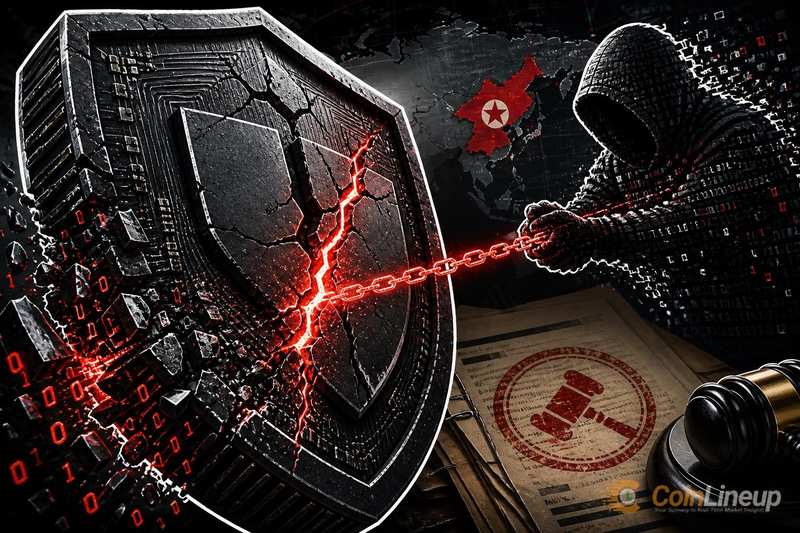
Bybit has sued North Korea and the Lazarus Group over what CoinDesk reported as a $1.5 billion crypto hack, turning a major exchange theft into a direct legal fight over accountability and recovery.
What Bybit is alleging
According to CoinDesk, the exchange is not only accusing North Korea and Lazarus Group of carrying out the theft, it is also using the courts to lock down assets that may still be reachable. That matters because an asset freeze is a concrete recovery step, not just a public statement. For related coverage, see Fintech Revolution Summit –Singapore 2026.
The FBI notice said North Korean cyber actors were responsible for the theft from Bybit and published Ethereum addresses linked to the laundering effort. That gives the allegation official law-enforcement backing beyond exchange messaging. For related coverage, see Coinbase to End Loopring (LRC) Trading on August 7.
Bybit's own security incident timeline shows the company has kept a public record of the breach and its response. That legal push now sits alongside Bybit's broader business activity, including its Austrian EMI license for EU payments.
Why the Lazarus link changes the story
In its February 2025 analysis of the Bybit hack, Chainalysis tied the attack to North Korea, which makes this more than a routine exchange breach. For regular users, that means the case is also about how stolen crypto can move through many wallets and jurisdictions before recovery teams can slow it down.
That cross-border angle helps explain why North Korea-linked crypto theft has drawn wider policy attention, including CoinLineup's earlier report that G7 leaders urged joint action on North Korea crypto theft. When the alleged attacker is state-linked, exchange security becomes an international enforcement issue as well as a customer-protection issue.
What could happen next
Chainalysis said in its follow-up on frozen funds and asset seizures that recovery efforts have already moved beyond simple tracing. That is why CoinDesk's report about an asset freeze matters: it suggests some part of the fight has shifted from identifying wallets to preserving assets for possible claims.
The FBI alert and the two Chainalysis reports point to the same practical takeaway for exchanges and customers: early wallet tagging, fast coordination, and frozen funds can improve recovery odds even after a major theft. That same pressure keeps exchange defense on the industry's agenda, including events such as Cyber ThaiX 2026.
Disclaimer: This article is for informational purposes only and does not constitute financial or investment advice. Cryptocurrency and digital asset markets carry significant risk. Always do your own research before making decisions.
Read original article on coinlineup.com