Chainalysis has rolled out automatic token support for Robinhood Chain, bringing its compliance and investigation tools to the newly launched Arbitrum-based Layer-2 network just as Robinhood
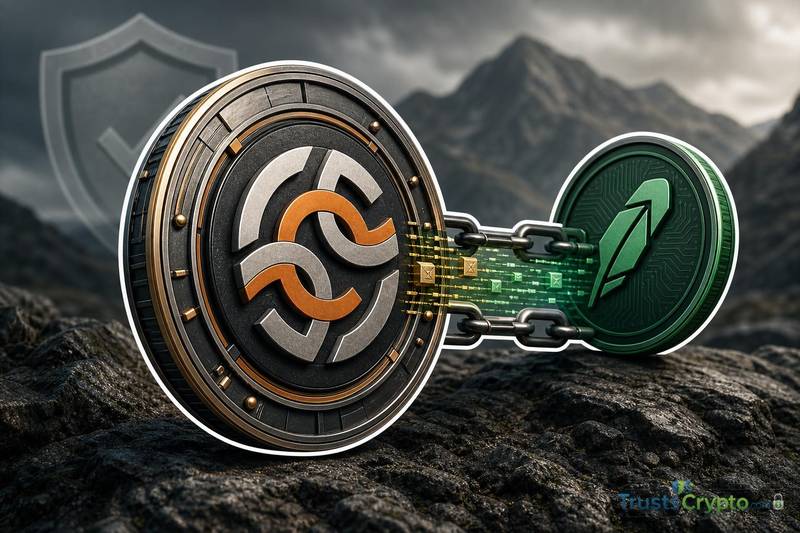
Chainalysis has rolled out automatic token support for Robinhood Chain, bringing its compliance and investigation tools to the newly launched Arbitrum-based Layer-2 network just as Robinhood pushes into tokenized securities across more than 120 countries.
The blockchain analytics firm announced on July 1, 2026, that it now supports all major token standards on Robinhood Chain. Newly minted tokens are added automatically, without manual intervention, keeping coverage current as the ecosystem grows. For related coverage, see X Rolls Out Cashtags for Crypto and Stocks on iPhone in US and Canada.
Robinhood Chain support is live across three core Chainalysis products: KYT (Know Your Transaction) for real-time monitoring, entity screening for sanctions and risk checks, and Reactor for tracing and investigating fund flows. For related coverage, see Trump Crypto Token Buyers Down $3.8B, Blockchain Data Shows.
An Arbitrum Layer-2 Built for Tokenized Finance
Robinhood Chain is an Arbitrum Layer-2 built on Ethereum, using ETH as its native gas token and running with block times of roughly 100 milliseconds. The network carries mainnet chain ID 4663.
ETH Market Context
$1,780.42 ETH was priced at $1,780.42 in the research snapshot. That matters here because Robinhood Chain is documented as using ETH for gas.
Robinhood officially launched the public mainnet on July 1, 2026, alongside the debut of Stock Tokens, which the company describes as tokenized debt securities issued by Robinhood Assets (Jersey) Limited. These instruments are available in more than 120 countries, subject to jurisdictional limits, but notably not in the United States.
Stock Tokens do not grant legal or beneficial rights in the underlying securities, a distinction that makes compliance tooling particularly relevant. When a chain is purpose-built for tokenized real-world assets rather than generic DeFi, the ability to monitor and trace transactions becomes a regulatory expectation, not just a convenience.
Why Automatic Token Coverage Matters Here
Automatic token support means that as new tokens are minted on Robinhood Chain, Chainalysis tools recognize and index them without requiring a manual review-and-add cycle. For a network designed to host tokenized equities, this is significant: each new Stock Token listing would otherwise create a gap in monitoring coverage until manually onboarded.
This approach mirrors a broader shift in Chainalysis's push toward standardized blockchain tracing. Rather than reactively adding assets after they appear, the system treats new token deployments as expected events and incorporates them by default.
At the time of the announcement, Robinhood Chain held about $36.6 million in total value locked, providing a concrete baseline for the scale of capital already flowing through the network that Chainalysis now monitors.
Robinhood Chain TVL $36.6M DefiLlama lists Robinhood Chain at about $36.6 million in total value locked, giving a concrete baseline for the network Chainalysis just added across KYT, entity screening, and Reactor.
Ecosystem Partners Signal Institutional Positioning
Robinhood Chain launched with Chainlink infrastructure integrated at the protocol level. Thodoris Karakostas of Chainlink said, "This is how the world's largest financial services apps accelerate the transition to an onchain financial system powered by Chainlink."
"We're bringing the best of traditional finance and DeFi together, and in doing so, expanding financial ownership to every corner of the globe."
Johann Kerbrat, Robinhood — via Robinhood Newsroom
The combination of a fintech-backed Layer-2, tokenized securities, and day-one compliance tooling positions Robinhood Chain differently from most new network launches. Competitor coverage from outlets like The Block focused on the mainnet launch, Stock Tokens, and DeFi features, but largely overlooked the compliance infrastructure angle.
That gap is notable. As other crypto infrastructure providers roll out compliance-focused services, the pattern suggests that regulatory readiness is becoming a launch requirement rather than an afterthought for networks targeting institutional and retail adoption simultaneously.
Compliance as Launch Infrastructure
The timing of Chainalysis's integration, arriving on the same day as Robinhood Chain's public mainnet, suggests this was coordinated rather than reactive. For exchanges, custodians, and financial institutions that already use Chainalysis products, Robinhood Chain transactions are now visible within existing workflows from day one.
Token-level visibility across KYT, entity screening, and Reactor means that compliance teams can flag suspicious transactions, screen counterparties, and trace fund flows on Robinhood Chain using the same interfaces they use for Ethereum, Bitcoin, and other supported networks.
Given that Robinhood Chain hosts tokenized debt securities with cross-border availability in over 120 countries, the regulatory surface area is broader than a typical DeFi-focused chain. Automatic token support removes one of the more common compliance blind spots: the lag between a new asset appearing on-chain and analytics platforms recognizing it.
FAQ
What is Robinhood Chain?
Robinhood Chain is an Arbitrum-based Layer-2 network built on Ethereum. It uses ETH as its gas token, features 100-millisecond block times, and launched its public mainnet on July 1, 2026. It hosts Stock Tokens, which are tokenized debt securities available in more than 120 countries.
What does automatic token support mean?
It means Chainalysis tools automatically recognize and index new tokens minted on Robinhood Chain without requiring manual onboarding. This keeps compliance coverage current as the ecosystem adds new assets.
Which Chainalysis products support Robinhood Chain?
KYT for real-time transaction monitoring, entity screening for sanctions and risk checks, and Reactor for investigation and fund-flow tracing.
Are Stock Tokens available in the United States?
No. Robinhood's documentation states that Stock Tokens are not available in the U.S., with additional restrictions varying by jurisdiction.
Disclaimer: This article is for informational purposes only and does not constitute financial or investment advice. Cryptocurrency and digital asset markets carry significant risk. Always do your own research before making any investment decisions.
Read original article on trustscrypto.com