BitcoinWorld CLARITY Act Stalls as SEC and CFTC Write Their Own Crypto Rules The Securities and Exchange Commission and the Commodity Futures Trading Commission have kept issuing crypto-speci
BitcoinWorld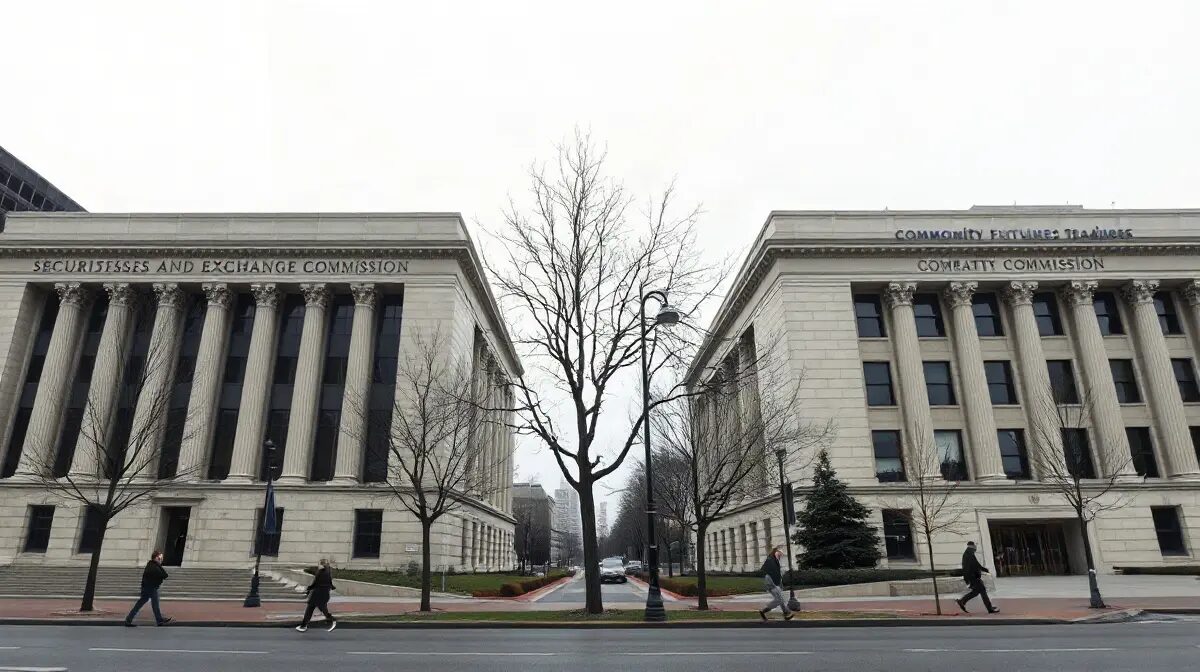 CLARITY Act Stalls as SEC and CFTC Write Their Own Crypto Rules
The Securities and Exchange Commission and the Commodity Futures Trading Commission have kept issuing crypto-specific guidance and exemptions since a Senate motion to proceed on the CLARITY Act failed on September 15, 2026, receiving 50 votes against the 60 required. Four Republicans joined Democrats in opposition, leaving the US without a comprehensive market structure law, Ambcrypto reported.
The SEC and CFTC are using existing authority to issue targeted crypto exemptions, staff advisories and proposed rules while the CLARITY Act remains stalled. These measures offer interim clarity but cannot replace legislation or create a durable market structure framework.
Key facts
- The CLARITY Act’s motion to proceed failed on September 15 with 50 votes against 60 needed.
- On September 17, the SEC granted conditional relief to certain distributed-ledger trading venues regarding exchange rules for blockchain-based trading.
- The CFTC issued Staff Letter 26-25 on September 17, extending no-action relief from introducing broker registration to certain software developers, including self-custodial wallets.
- On November 23, the CFTC said Bitcoin, Ethereum and payment stablecoins can count toward financial resource requirements for DCMs, SEFs and DCOs, subject to haircuts but not for separate liquidity requirements.
- The SEC’s October 1 custody proposal for registered investment advisers and funds is not yet in effect.
Regulators move without Congress
The CLARITY Act was meant to draw clearer boundaries between the SEC and CFTC, setting which digital assets fall under securities law and which under commodities regulation, and to give exchanges and intermediaries a predictable registration path. Its Senate setback left that work unfinished.
Rather than wait, the SEC has issued targeted relief and guidance. Beyond the September 17 venue relief, it updated crypto asset FAQs in September and November, though those reflect staff views and do not carry the force of law. Its Crypto Task Force issued project-specific no-action letters, including for Canton Coin and Molecule AG. SEC Chairman Paul Atkins said the October 1 custody proposal would give advisers and funds “a compliant pathway where none existed before.” The agency also added tokenization to its FY2027 examination priorities, focusing on custody, ownership, cybersecurity and compliance.
The CFTC has taken a parallel route. In September it clarified how regulated entities may use tokenized permitted investments and blockchain recordkeeping, without letting futures commission merchants or derivatives clearing organizations invest customer funds directly in Bitcoin or Ethereum. Alongside the November 23 advisory on financial resources, the agency is developing rules for leveraged retail crypto transactions and a federal registration pathway for trading platforms. None of this yet amounts to an enforceable framework.
Why it matters
For exchanges, custodians and funds, the practical effect is incremental clarity rather than certainty: relief applies to specific activities, and staff advisories and no-action letters can be revised or withdrawn, while proposed rules need formal approval. Marcin Kazmiercza, co-founder and COO of RedStone, told Ambcrypto that US regulators had produced more crypto policy in 10 days than Congress managed in two years, but added that guidance is no substitute for legislation. White House Chief Crypto Advisor Patrick Witt backed the agencies’ approach, saying smart regulators understand consumer protection need not stifle growth and innovation. Political friction persists: House Democrats widened an inquiry on November 24 into Donald Trump Jr.’s investments through 1789 Capital, seeking information from companies including Polymarket — oversight concerns, not findings of wrongdoing.
What to watch
Attention now turns to whether the SEC’s custody proposal advances toward formal adoption and whether the CFTC’s draft rules on leveraged retail trading and platform registration are published. Polymarket odds of the CLARITY Act becoming law in 2026 reportedly fell below 1% after the Senate vote, so any revival in Congress would be the clearest signal of a durable framework.
Frequently Asked Questions
What happened to the CLARITY Act in the Senate?
A motion to proceed on September 15, 2026 received only 50 votes against the required 60, with four Republicans joining Democrats in opposition, leaving the bill stalled.
What did the CFTC’s November 23 advisory allow?
Bitcoin, Ethereum and payment stablecoins may count toward financial resource requirements for designated contract markets, swap execution facilities and derivatives clearing organizations, subject to haircuts, but not toward separate liquidity requirements.
Are SEC staff FAQs legally binding?
No. The SEC’s updated crypto asset FAQs reflect staff views and do not carry the force of law, and no-action letters and advisories can be revised or withdrawn.
Why does the CLARITY Act still matter if regulators are acting?
It would establish a clearer division of responsibility between the SEC and CFTC covering digital asset classification, securities regulation and registration of crypto intermediaries, which agency guidance cannot permanently settle.
This post CLARITY Act Stalls as SEC and CFTC Write Their Own Crypto Rules first appeared on BitcoinWorld.
