Republicans Pull Back on Ethics Enforcement Mechanism Bipartisan negotiations over the Digital Asset Market Clarity Act hit fresh turbulence on Tuesday after Senate Republicans reportedly pro
Republicans Pull Back on Ethics Enforcement Mechanism
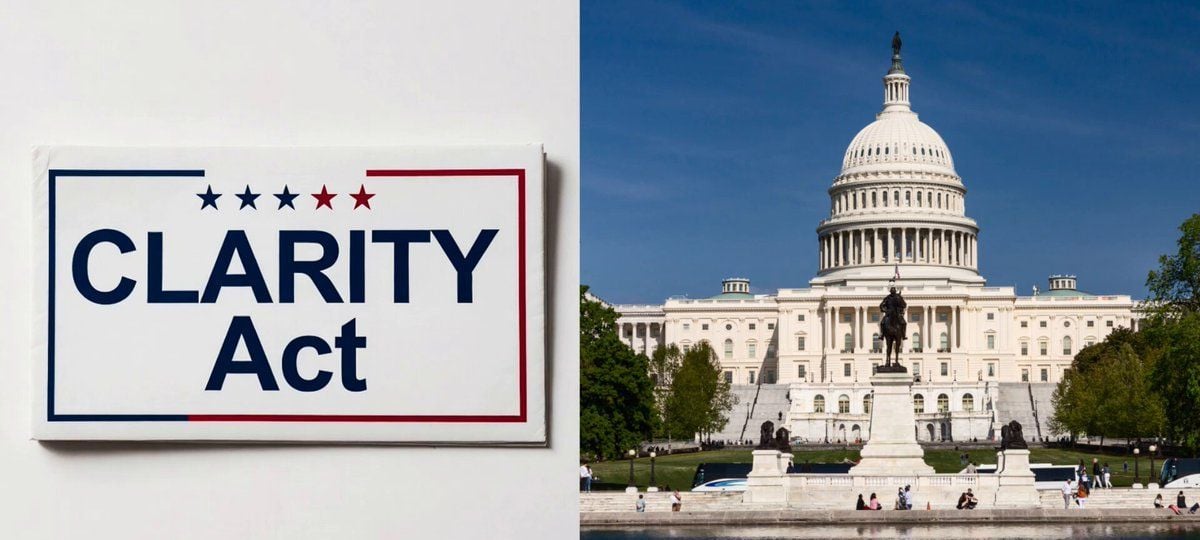
Bipartisan negotiations over the Digital Asset Market Clarity Act hit fresh turbulence on Tuesday after Senate Republicans reportedly proposed a weaker set of crypto ethics guardrails, according to Punchbowl News. The move walks back a previously discussed enforcement mechanism that would have allowed state attorneys general to pursue ethics-related actions against officials with crypto interests.
The development is the latest snag in what has already proven to be a difficult legislative process. Senator Cynthia Lummis, a Wyoming Republican and key negotiator on the bill, previously described it as "by far the hardest piece of legislation I have ever worked on."
A key concern for Democrats throughout negotiations has been the absence of provisions limiting how government officials can invest in or participate in the crypto industry, a priority that has intensified given President Trump and his family's wide-ranging involvement in crypto, from stablecoins to meme coins to bitcoin mining.
Ethics Impasse Threatens Bipartisan Coalition
The bill needs 60 votes to clear the cloture threshold and overcome a filibuster. With 53 Republican senators, at least seven Democratic votes are required.
The price for those votes is largely set by the ethics provision, which would prevent senior government officials from profiting from business ties with the crypto industry. Senator Kirsten Gillibrand has set it as a condition: without such a clause, she will not allow the bill to pass.
A bill without such limits is widely considered to be a dealbreaker for Senate Democrats. It remains unclear what President Trump will accept on ethics, with White House adviser Patrick Witt signalling that any effort targeting the president specifically will not be tolerated, though rules applying broadly "from the president all the way down to the brand new intern on Capitol Hill" may be on the table.
Analysts have warned the clock is running down. "In order for the CLARITY Act to pass in 2026, it probably needs to get through the Senate by the end of July, preferably in June," Brian Gardner, chief Washington policy strategist at Stifel, wrote in a note. "If the Senate fails to pass the bill before the August recess, the bill's prospects would deteriorate materially."
The weakening of the ethics enforcement mechanism now risks eroding Democratic confidence at a critical stage, potentially leaving the bill short of the votes it needs on the Senate floor.
Sources:The Hill: Obstacles threaten success of Clarity Act in SenateCoinDesk: Clarity Act survival depends on the U.S. Senate getting a lot of non-crypto work doneCNBC: Crypto industry scores win as Clarity Act clears Senate committee