Coinbase froze more than $3 million in cryptocurrency assets tied to criminal networks operating out of Southeast Asia, Meta announced on June 3, 2026, as part of a coordinated international
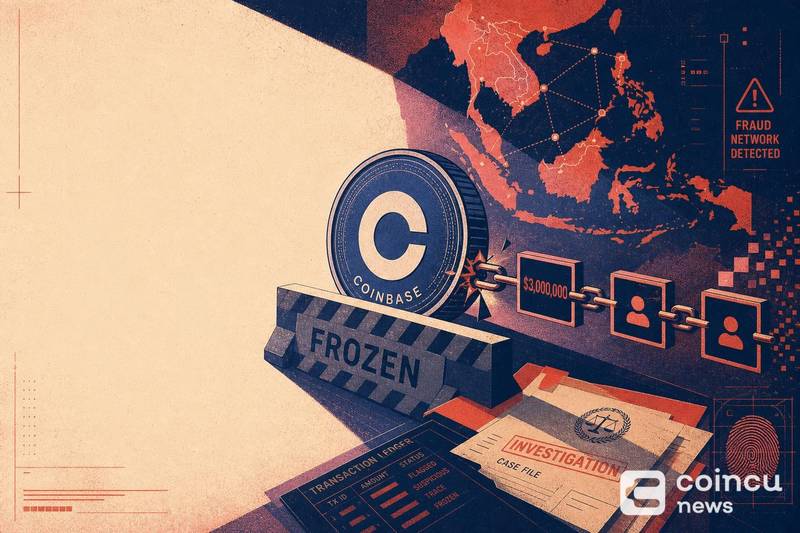
Coinbase froze more than $3 million in cryptocurrency assets tied to criminal networks operating out of Southeast Asia, Meta announced on June 3, 2026, as part of a coordinated international operation targeting online fraud infrastructure across the region.
The joint operation began on May 18 and brought together the U.S. Department of Justice's Scam Center Strike Force, the FBI, Royal Thai Police, Microsoft, Coinbase, Starlink, and law enforcement partners in Australia, Canada, New Zealand, Thailand, and the U.K., according to Meta's announcement.
Coinbase Freeze Tied to Scam Networks more than $3 million Meta said Coinbase froze this amount in cryptocurrency assets linked to Southeast Asia scam networks.
Royal Thai Police arrested 63 people during the operation. Meta removed about 1.4 million accounts, pages, and groups linked to scam compounds from Facebook and Instagram, while Microsoft suspended approximately 20,000 related accounts.
Meta Scam Network Takedown about 1.4 million Meta said this many scam-linked accounts, pages, and groups were removed from Facebook and Instagram.
Jeff Lunglhofer, Coinbase's chief compliance officer, said in the announcement that blockchain technology is "one of the most powerful tools we have in the fight against financial crime."
Why The Southeast Asia Fraud Network Connection Matters
The operation targeted scam compounds, physical sites where criminal organizations run online fraud schemes at industrial scale. These compounds, concentrated in parts of Southeast Asia, have drawn attention from international law enforcement agencies because they often involve human trafficking victims forced to carry out fraud operations.
The geographic link is significant for enforcement. The multi-country partnership spanning five nations reflects the cross-border nature of these networks, which route stolen funds through cryptocurrency wallets, social media platforms, and satellite internet connections to obscure their origins.
Meta's announcement distinguished this operation from routine platform moderation by naming each participating agency and company. The inclusion of Starlink alongside traditional law enforcement suggests the networks relied on satellite internet to operate in remote areas where conventional infrastructure would make them easier to trace.
The DOJ's Broader Anti-Fraud Campaign
Coinbase's freeze of scam-linked assets fits within a much larger federal effort. The DOJ said on June 3 that partners in its anti-fraud campaign had restrained more than $701,962,392.15 in cryptocurrency allegedly tied to money laundering from online investment fraud.
That figure represents a significant escalation. Earlier, on February 26, 2026, the DOJ reported the same effort had seized or restrained more than $580 million, meaning roughly $120 million in additional cryptocurrency was restrained in roughly three months.
The DOJ's Operation Level Up, a victim-notification program within the same campaign, had notified 8,935 victims and estimated savings of $562,726,245 as of March 2026. The program contacts people identified as active targets of fraud schemes before they lose additional funds.
Coinbase's recent approval by the CFTC to launch crypto perpetual contracts showed the exchange expanding its regulated product offerings, and this freeze demonstrates the compliance infrastructure operating on the enforcement side of that same regulatory relationship.
What A Fund Freeze Signals About Exchange Compliance
Coinbase's action was a freeze, not a seizure. In practical terms, that means the exchange identified and restricted access to wallets holding the flagged assets, preventing the funds from being moved or withdrawn while law enforcement investigates.
A freeze requires the exchange to have monitoring systems capable of flagging suspicious transaction patterns, linking wallet activity to known fraud typologies, and acting quickly enough to prevent funds from being moved to self-custodied wallets or other platforms. The $3 million figure suggests the flagged wallets held consolidated proceeds rather than scattered micro-transactions.
The distinction matters for users. Exchanges that participate in law enforcement operations signal that they maintain active compliance teams and transaction monitoring tools. For the broader market, which saw the Fear & Greed Index drop to 12 on June 4, enforcement cooperation may reduce long-term regulatory risk even as it introduces short-term uncertainty about asset accessibility.
What Crypto Users Should Watch For
The Southeast Asia scam compound model typically targets victims through social media, dating apps, and messaging platforms. Fraudsters build trust over weeks before directing victims to fake investment platforms that show fabricated returns.
Meta's removal of 1.4 million scam-linked accounts indicates the scale at which these operations use social platforms as initial contact points. Users who receive unsolicited investment advice through social media, particularly from accounts that quickly move conversations to private messaging apps, should treat those interactions as high-risk.
The fact that Coinbase was able to freeze funds after they reached the exchange suggests that some victims' funds passed through legitimate platforms before being cashed out. Users should verify that any platform they use publishes transparent compliance policies and participates in law enforcement cooperation frameworks.
As details from the ongoing investigation emerge, affected users may receive notifications through the DOJ's Operation Level Up program, which has already contacted nearly 9,000 victims in previous rounds. Readers should monitor official DOJ and FBI channels for updates rather than relying on unofficial sources.
FAQ About Coinbase Freezing $3 Million Tied To A Southeast Asia Fraud Network
What exactly did Coinbase freeze?
Coinbase froze more than $3 million in cryptocurrency assets held in wallets tied to criminal networks operating out of Southeast Asia. The freeze restricts access to those funds while law enforcement continues its investigation.
Why is the case tied to a fraud network rather than individual scammers?
The operation targeted organized scam compounds, not isolated actors. The involvement of the DOJ's Scam Center Strike Force, the FBI, Royal Thai Police, and partners across five countries reflects the networked, cross-border structure of the criminal organizations involved.
Why is Southeast Asia specifically mentioned?
Southeast Asia has become a focal point for large-scale online fraud operations run from physical compound sites. The Royal Thai Police's arrest of 63 people during this operation confirms active enforcement within the region, and the growing intersection of crypto infrastructure and regulatory scrutiny extends across multiple jurisdictions involved in the case.
What should affected users expect next?
The DOJ's Operation Level Up program actively notifies identified victims. Users who believe they may have been targeted by similar schemes should report to the FBI's Internet Crime Complaint Center (IC3) and monitor official government channels for case updates.
Disclaimer: This article is for informational purposes only and does not constitute financial or investment advice. Cryptocurrency and digital asset markets carry significant risk. Always do your own research before making decisions.
The post Coinbase Freezes $3 Million Tied to Southeast Asia Crypto Fraud Network was initially published on Coincu.