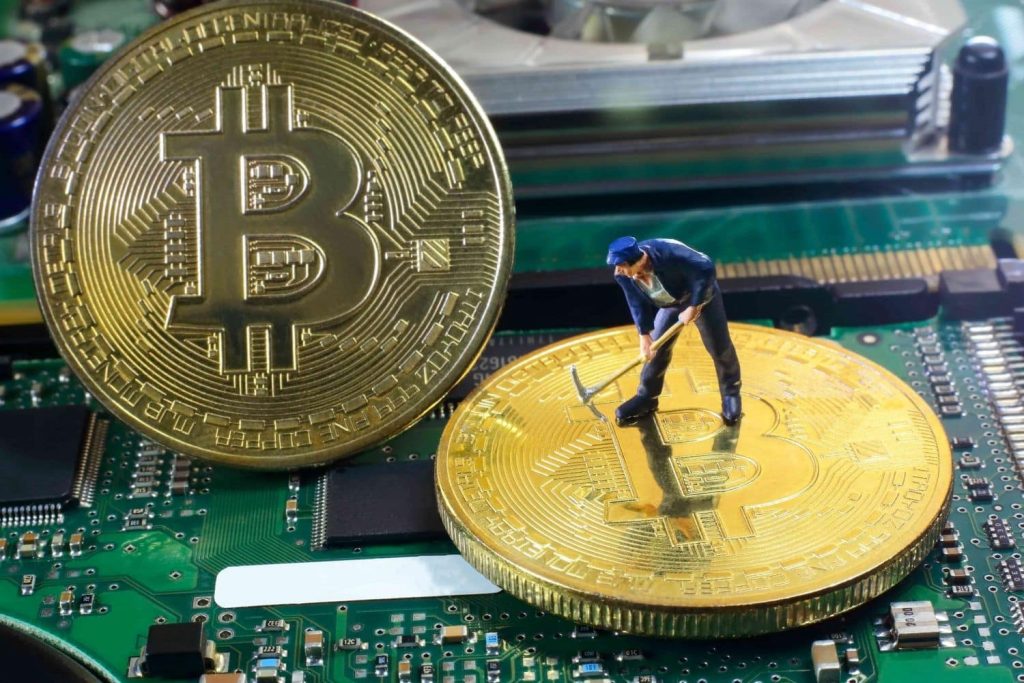
A hardware wallet is supposed to be the safest place to keep Bitcoin. The device never connects to the internet, the private keys never leave it, and the whole point is that an attacker would
A hardware wallet is supposed to be the safest place to keep Bitcoin. The device never connects to the internet, the private keys never leave it, and the whole point is that an attacker would need to physically hold it to steal anything.
On August 1, Galaxy Research said it had identified a second wave of thefts tied to the same attacker who drained hundreds of Coldcard wallets days earlier. The firm is now tracking 1,158.66 BTC, worth roughly $75.1 million, taken from 2,673 addresses. Its earlier count on July 31 stood at 1,082.65 BTC from 1,196 addresses, which was already double the initial estimate of 594 BTC.
The attacker never touched a single device.
What actually went wrong
The flaw sits in the firmware of Coldcard wallets built by Canadian manufacturer Coinkite. When you set up a hardware wallet, the device generates a recovery seed, the string of words that controls your Bitcoin. That seed is supposed to come from a hardware random number generator producing 128 bits of entropy, a number so large that guessing it is computationally impossible.
It wasn't. According to Block's engineering team, a single code change on March 1, 2021 caused the firmware to silently fall back to a software-based generator instead of the hardware one. On Mk3 devices the effective search space collapsed to roughly 40 bits. Coinkite has confirmed that figure and called it preliminary.
The gap between 128 bits and 40 bits is not a matter of degree. It is the difference between a lock that cannot be picked and one that can be brute-forced by anyone with rented cloud computing. The attacker did not need to breach anything. They regenerated the likely seeds offline, derived the addresses, and checked which ones held Bitcoin.
How the theft ran
Chainalysis found the attacker went after the largest balances first, pulling more than $30 million in the opening ten minutes. Within about 25 minutes, roughly 594 BTC had moved out of some 500 single-signature wallets. One victim lost around $1.8 million.
Galaxy traced the sweeps to a 41-minute window between 1:10 and 1:51 UTC on July 30, spread across nine blocks. Coinkite's first public advisory came about 30 hours later. Every coin taken in both waves came from a wallet created after March 17, 2021, which is the strongest evidence linking the thefts to the firmware release.
The part nobody can explain
None of the money has moved.
All 1,158.66 BTC still sits unspent across seven attacker-controlled addresses. Galaxy called that unusual for a theft of this size and offered two possibilities: the operator is waiting for scrutiny to fade, or has no viable way to launder a sum this visible.
A decade ago $75 million in Bitcoin would have been through a mixer within hours. Today, with exchange compliance tightened and firms like Galaxy and Chainalysis watching in real time, moving it is the hard part.
The market barely blinked
For all the alarm among Bitcoin holders, the price reaction has been close to nothing.
Bitcoin was trading around $62,900 on August 1, against a previous close near $63,235, having spent the week grinding through the low $60,000s. The 52-week range runs from roughly $57,800 to $126,186, and the asset is down about 44% over twelve months.
Why the exposure is wider than the loss
The confirmed attack hit Mk2 and Mk3 devices on firmware versions 4.0.1 through 4.1.9. But Coinkite's advisory extends further. Seeds generated on Mk4, Mk5, and Q devices before the fixed releases carry roughly 72 bits of entropy rather than the intended 128. That is far better than 40 bits and was not exploited in this sweep, but it still sits well below standard.
Users who added at least 50 independent dice rolls during setup are not considered at risk, because that external entropy cannot be undone by the firmware bug. Neither are those who used a strong BIP-39 passphrase. Everyone else who generated a seed on affected firmware is exposed.
Coinkite has shipped fixed firmware, but with a warning that matters more than the patch itself. Updating does not repair an existing seed. A seed created with weak entropy stays weak forever. Affected users have to generate an entirely new wallet on updated hardware and move their coins to it.
Call your friends
This is one of those stories where the most useful thing a reader can do is pick up the phone. Hardware wallet owners are, by definition, people who took self-custody seriously enough to buy a dedicated device and then step away from screens. Plenty of them are not refreshing crypto news feeds on a Saturday.
If you know someone who holds Bitcoin on a Coldcard, message them today. Ask which model they have, ask what firmware the seed was created on, and ask whether they used dice rolls or a passphrase during setup. If they generated a seed on an Mk2 or Mk3 running affected firmware without either of those, their coins need to move to a fresh wallet now, not next week.
The attacker in this case worked through the largest balances first. The wallets that have not been touched yet are the smaller ones, and their owners are the least likely to be watching.
Editor's note
TheStreet Roundtable has shared this reporting with several security researchers and hardware wallet specialists to better understand the scope of the vulnerability, how the seeds were reconstructed, and how many wallets may still be exposed. This story will be updated as those experts respond. If you were affected by the sweeps, or you work on wallet security and can add to what is known here, we would like to hear from you. is the difference between a lock that cannot be picked and one that can be brute-forced by anyone with rented cloud computing. The attacker did not need to breach anything. They regenerated the likely seeds offline, derived the addresses, and checked which ones held Bitcoin.