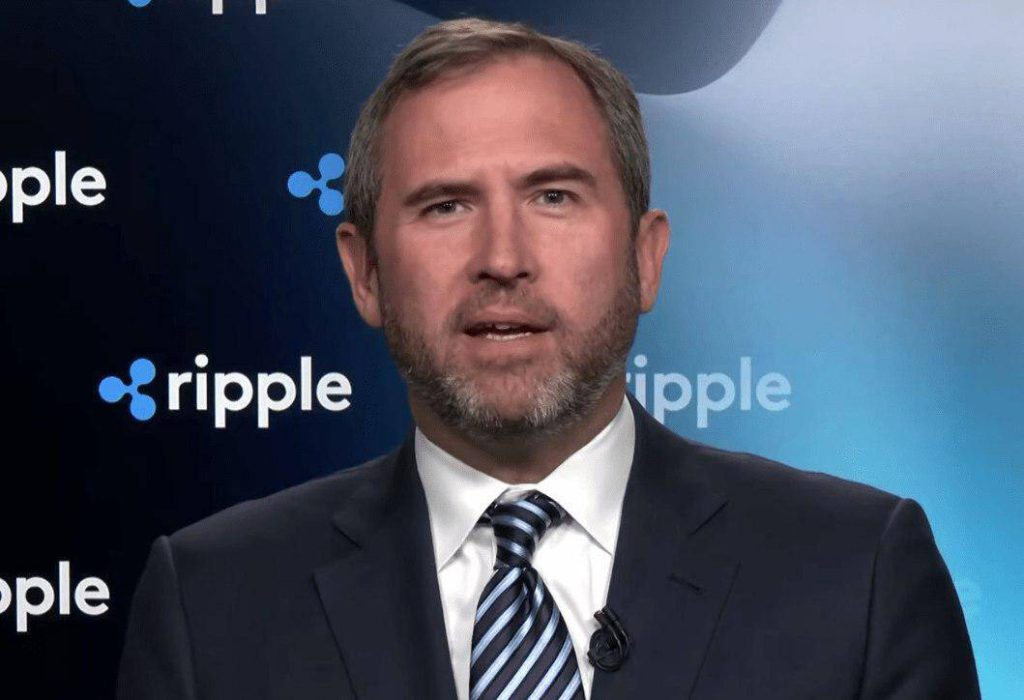
Confessions from Ripple’s CEO: “We Were About to Sell Off Our XRP and Shut Down the Company Because of the SEC Lawsuit”
Ripple CEO Brad Garlinghouse announced that they are seriously considering shutting down Ripple entirely after the US Securities and Exchange Commission (SEC) filed a lawsuit against the comp
A
AnonymousCryptoCompass newsroom
July 12, 2026
2 min read
NEWS
CryptoCompass editorial visual for policy coverage.
Ripple CEO Brad Garlinghouse announced that they are seriously considering shutting down Ripple entirely after the US Securities and Exchange Commission (SEC) filed a lawsuit against the company in 2020.
Speaking at an event at the KU School of Business, Garlinghouse said that the SEC has virtually unlimited power and resources, making the decision of whether or not to fight the case extremely difficult.
According to Garlinghouse, one of the options Ripple had was to distribute its XRP holdings to shareholders and cease operations by notifying the SEC that it no longer held XRP. However, company management assessed that such a decision could lead to hundreds of employees losing their jobs.
Garlinghouse noted that Ripple chose to pursue legal action instead, stating that the company was prepared to undertake a long and costly litigation process to counter the SEC’s allegations and continue its operations.
In December 2020, the SEC filed a lawsuit against Ripple and its executives Brad Garlinghouse and Chris Larsen, alleging that the sale of XRP constituted an unregistered securities offering.
Coinbase Global (Nasdaq: COIN) cofounder and CEO Brian Armstrong predicted last month that there is a "good chance" Bitcoin (BTC) will hit $100,000 by the end of the year and even reach $300,
In Brief: BitMine added 17,362 ETH, lifting its treasury above six million tokens and advancing its stated five percent Ethereum supply target. The company stakes 5,067,309 ETH, representing
Belarus has registered its first two crypto banks under newly enacted digital-asset rules, marking a concrete step forward in the country’s push to bring cryptocurrency activity into a formal