BitcoinWorld Copper Market Slips Into Deficit as Supply Disruptions Mount: Commerzbank Copper prices are poised for further gains as the global market shifts into a deficit, driven by a wave
BitcoinWorld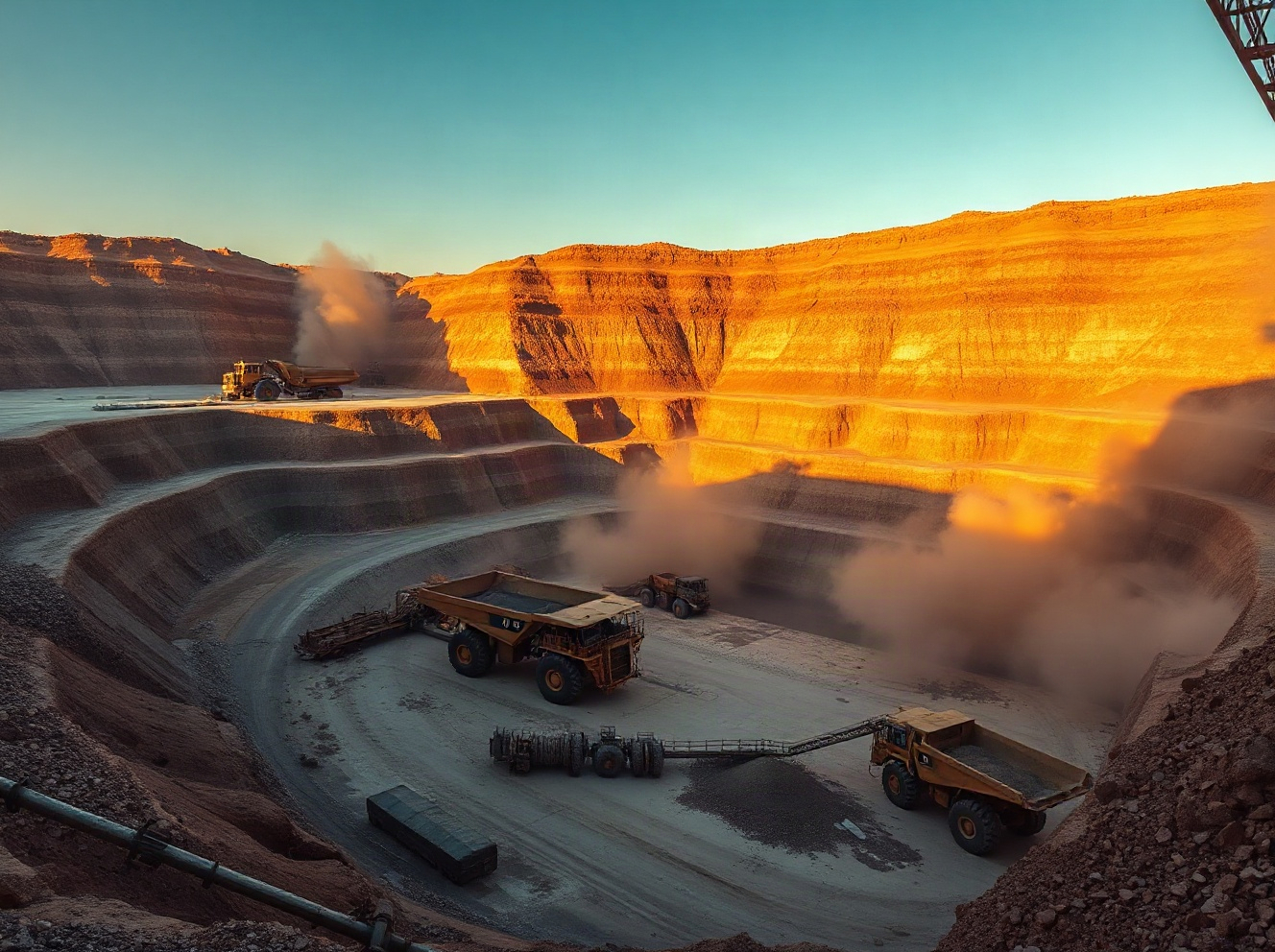 Copper Market Slips Into Deficit as Supply Disruptions Mount: Commerzbank
Copper prices are poised for further gains as the global market shifts into a deficit, driven by a wave of supply setbacks at major mines, according to a recent analysis from Commerzbank. The bank’s commodity analysts note that the shortfall, which has been building through 2024, is now expected to persist into 2025, tightening the market and supporting higher prices.
What is driving the copper supply deficit?
The deficit stems from a combination of operational disruptions, lower ore grades, and delayed project expansions across key copper-producing regions. Commerzbank highlights that several large mines in Chile and Peru, the world’s top producers, have faced output cuts due to geological challenges and labor strikes. Additionally, permitting delays for new projects in countries like Zambia and the Democratic Republic of Congo have slowed the pipeline of new supply.
These factors have led to a downward revision in global mine production forecasts for 2024 and 2025, while demand, particularly from the energy transition sector, remains robust. Copper is essential for electric vehicles, grid infrastructure, and renewable energy systems, making the supply-demand imbalance more pronounced.
How will this affect copper prices?
Commerzbank’s analysis suggests that the deficit will keep copper prices elevated, potentially breaking through previous resistance levels. As of late 2024, copper traded around $9,000 per metric ton on the London Metal Exchange, but the bank projects that sustained supply constraints could push prices higher in the coming quarters. The exact price trajectory, however, depends on the pace of demand growth from China, the world’s largest copper consumer, and any potential supply recovery from mine expansions.
The market’s shift from a surplus to a deficit marks a significant turning point. In 2023, the market was broadly balanced, but the cumulative effect of disruptions has now tipped the scales. This is a reversal from the oversupply fears that dominated earlier this decade, when major projects like the expansion of Chile’s Los Bronces mine were expected to flood the market.
Implications for industries and investors
For manufacturers and construction firms, higher copper prices translate into increased input costs, potentially squeezing margins and leading to higher prices for end products. For investors, the deficit scenario offers a bullish case for copper miners and related ETFs, but it also raises concerns about inflationary pressures in the broader economy.
The energy transition, which is a key driver of copper demand, is unlikely to slow, meaning the structural demand for copper remains strong. However, the supply side is constrained by long lead times for new mines and geopolitical risks in producing regions. This combination suggests that the deficit could be more than a temporary blip, potentially lasting several years.
Conclusion
In summary, Commerzbank’s report underscores a pivotal moment for the copper market, as supply setbacks have officially pushed it into deficit. This development is set to influence price trends, industry costs, and investment strategies in the near term. While the market will watch for any supply-side relief, the current outlook points to a tighter market and firmer prices ahead.
FAQs
Q1: What is the main reason for the copper market deficit?The deficit is primarily due to supply disruptions at major mines, including operational issues, lower ore grades, and project delays, combined with steady demand from the energy transition sector.
Q2: How high could copper prices go?While Commerzbank does not provide a specific target, the deficit scenario supports higher prices, potentially breaking above recent resistance levels. Prices will depend on demand from China and any supply recovery.
Q3: How long will the deficit last?The deficit could persist for several years, as new mining projects take time to develop and existing operations face ongoing challenges. The exact duration will depend on investment in new capacity and demand trends.
This post Copper Market Slips Into Deficit as Supply Disruptions Mount: Commerzbank first appeared on BitcoinWorld.