Can October Fed Rate Decision Shake Crypto Before November Vote Day? Crypto market in late 2026 may turn on the US major outcomes. On October 28, the Federal Reserve will announce its next ra
Can October Fed Rate Decision Shake Crypto Before November Vote Day?
Crypto market in late 2026 may turn on the US major outcomes. On October 28, the Federal Reserve will announce its next rate decision, just six days before the November 3 midterm elections. The question on every trader's mind is simple now: how much can politics and monetary policy actually move prices in the same short window?
Crypto Market Today: Prices Remain Stable in September 2026
Following the Fed September rate decision the market did not react so fast or sharply. Current market snapshot from CoinMarketCap as of September 21:
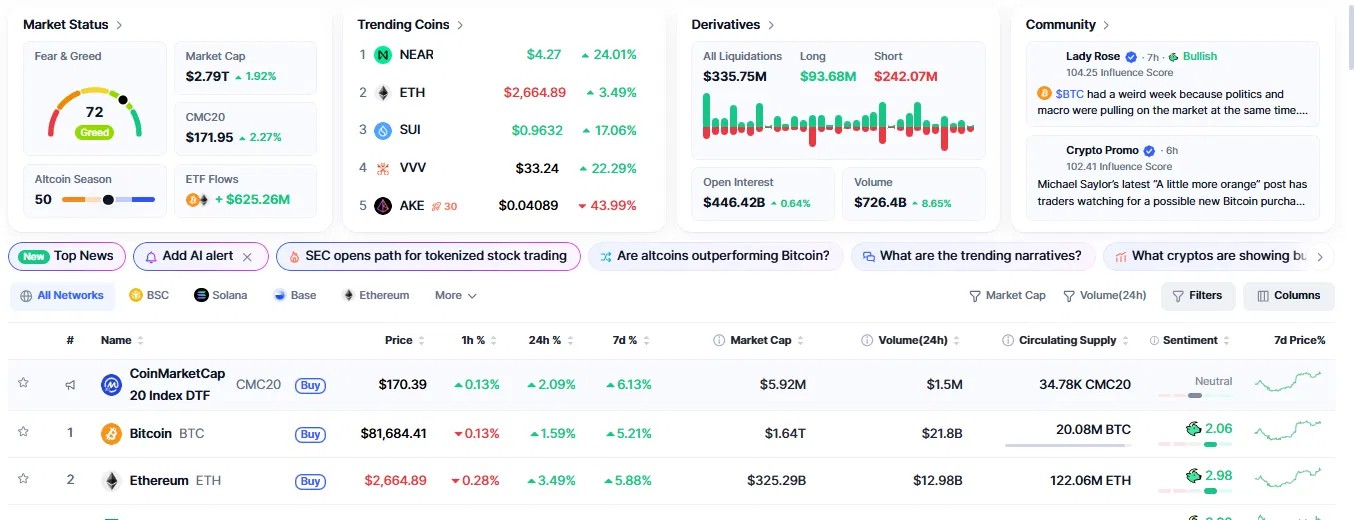
Total crypto market cap: $2.79 trillion, up 1.92%
Bitcoin: $81,684, down 0.13% on the day
Ethereum: $2,664.89, up 3.49% on the day
Crypto Fear and Greed Index: 72, in Greed territory
Total liquidations: $335.75 million, including $242.07 million in short liquidations.
Open interest: $446.42 billion, up 0.64%.
Derivatives volume: $726.4 billion, up 8.65%.
Why the Fed Rate Call Days Before the Midterms Puts Markets on Edge
The Federal Reserve already moved in September. Chair Kevin Warsh led a unanimous 25 basis point hike to the 3.75–4.00% range. It was the first increase since 2023.
The panel pointed to stubborn inflation, according to the New York Times. President Donald Trump had pushed for lower rates. The vote went ahead anyway.
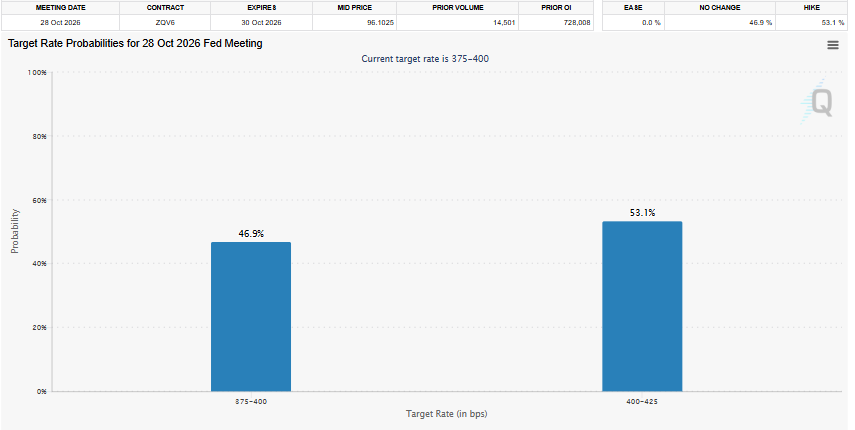
Traders now lean toward one more hike by the year-end. CME FedWatch shows 53.1% probablity of a rate hike compared with 46.9% for no changes. Other major prediction platforms like Polymarket and Kalshi, also showing odds near 55–57%. Chances of further tightening by December have also grown.
How Crypto in October Could React to a Second Fed Rate Hike This Month
Higher rates make non-yielding assets less attractive. They also tighten liquidity. Both effects have hurt digital assets before. The September hike added to selling pressure, but it was not the only factor, as the CLARITY act failure also weighed on the market.
A second rate hike would likely bring sharper swings. Traders would need to reprice the path for the rest of the year. Bitcoin's midterm-year record adds concern.
Some studies show average drawdowns near 56% across the modern cycles since 2014. The sample is small, so the figure is a warning, not a forecast.
Moves can also reverse fast. A hold could bring relief. Yields and the dollar will decide how far crypto in October 2026 travels in either direction.
Do Election Claims Against the Fed Really Hold Up Under Scrutiny?
Some voters may see a hike so close to the polls as a hit to affordability. Others may see a hold as politics in disguise. Both views have backers.
The evidence is mixed. The Fed is built to stay independent, and its mandate covers jobs and stable prices. ACME Group review found it held rates about 52% of the time near elections. That rose to about 67% from early October onward. Yet it has also acted near votes when the data demanded it.
Rate changes work with a lag of several months. So the direct effect on election day is small. Market mood and headlines matter more in the short term. Warsh says the Fed will stay in its lane and follow the data.
What Midterm History Says About Bitcoin and Stocks After the Vote
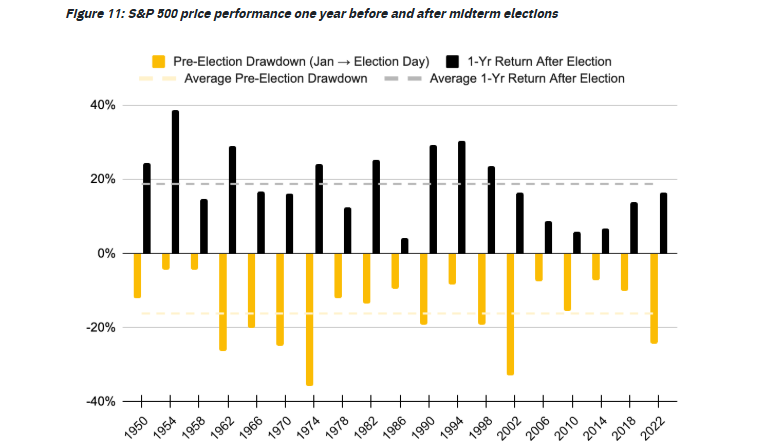
Midterm years are often the weakest stretch of the four-year cycle for stocks. Peak-to-trough drops have averaged about 16–17% in some samples. After the vote, results improve. The S&P 500 has gained in the 12 months after every midterm since 1939, averaging near 19%. Bitcoin has shown a bolder version, with average gains near 54% in the following year as per Binance Research.
Congress matters for regulation too. Control of the House and Senate could shape US crypto rules and broader budget policy. Still, markets usually react more to the end of uncertainty than to the winning party.
The next few weeks will test nerves. Inflation, jobs and global data can shift rate odds quickly. If the Fed hikes, crypto in October could end with heavy volatility. If it holds, relief may come early. Either way, the November vote may bring the clarity that has been missing, and history says risk assets tend to welcome it.
Note: This article is for information only and is not financial advice. Digital assets are volatile, and past patterns do not guarantee future results.