Every crypto holder eventually faces a decision that sounds simple but carries enormous weight: who actually holds the keys to their digital money. The debate over Custodial vs Non-Custodial
Every crypto holder eventually faces a decision that sounds simple but carries enormous weight: who actually holds the keys to their digital money. The debate over Custodial vs Non-Custodial Wallets has been running since Bitcoin left its early adopter phase, and it hasn’t cooled down one bit.
Exchanges collapsing, hacks draining millions in a single weekend, and everyday users locking themselves out of their own funds have all added fuel to a conversation that used to feel technical and now feels personal. This piece breaks down what separates these two wallet types, where each one shines, where each one stumbles, and why the choice matters far more than most beginners realize when they first buy 100 dollars worth of Bitcoin on a whim.
What Custodial Wallets Actually Mean for Everyday Users
A custodial wallet is basically a bank account for crypto, except the rules are still catching up to reality. When someone signs up for a major exchange and buys Ethereum, the private keys tied to that purchase don’t belong to the user. The exchange holds them. This setup mirrors how a traditional savings account works, where the bank technically controls the vault even though the balance shows up under a customer’s name.
The appeal here is obvious. Forgetting a password triggers a simple reset email instead of a permanent goodbye to thousands of dollars. Customer support exists, at least in theory, for when something goes sideways.
Beginners who are still learning the difference between a seed phrase and a wallet address often gravitate toward custodial platforms because the training wheels feel necessary. In the Custodial vs Non-Custodial Wallets discussion, custodial options usually win points for convenience, especially among people who trade frequently or move funds in and out of fiat currency on a regular basis.
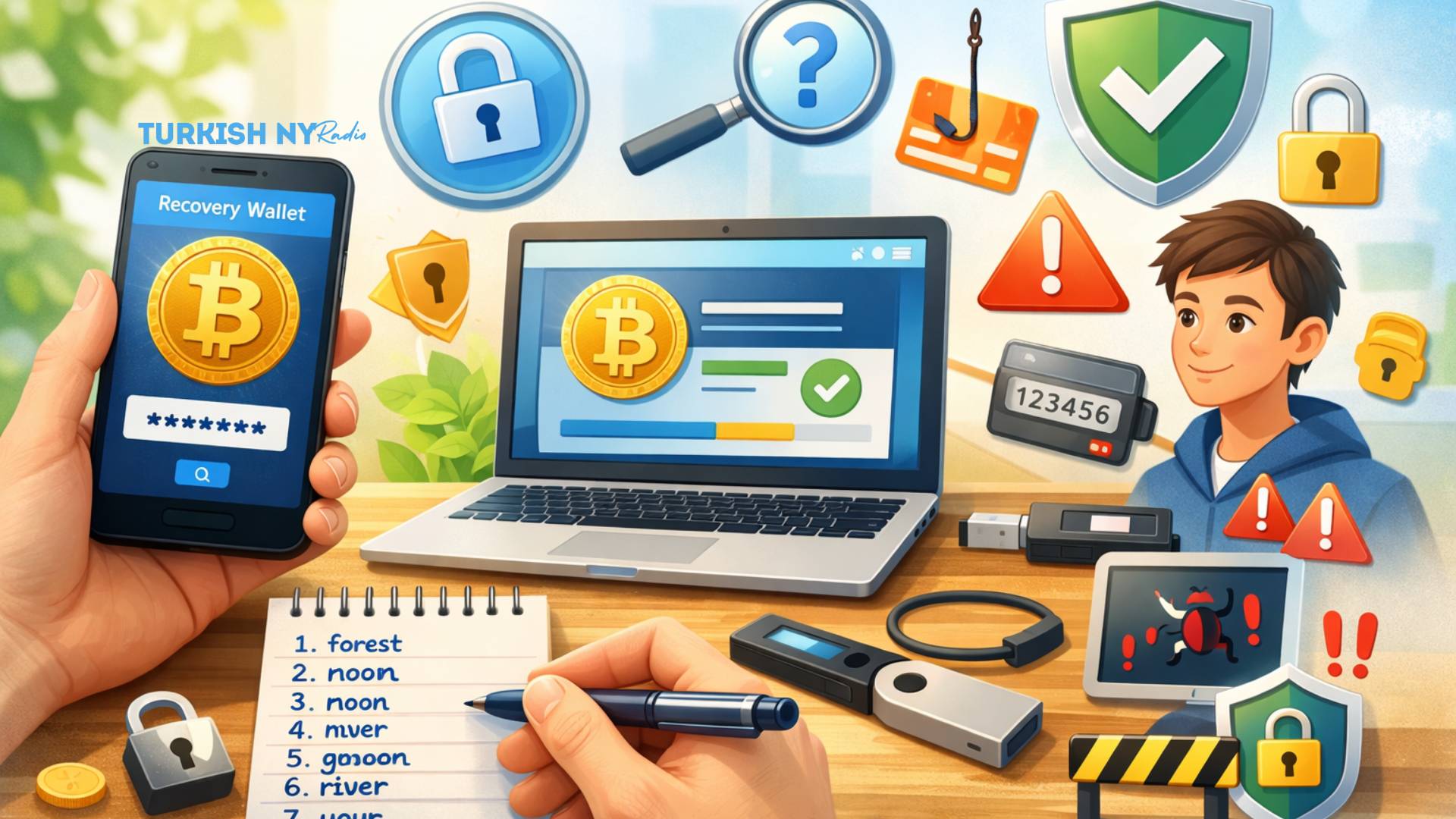
But convenience comes at a cost that history keeps proving. The collapse of FTX in November 2022 wiped out billions in user funds almost overnight, and it happened because customers trusted a third party to safeguard assets that were never truly theirs to lose. Mt. Gox, years earlier, taught the same brutal lesson. When a custodian fails, gets hacked, or simply decides to freeze withdrawals, users are left waiting in line with everyone else, hoping for a refund that may never arrive in full.
The Case for Non-Custodial Wallets and Full Ownership
Non-custodial wallets flip the entire arrangement. The user generates and stores their own private keys, usually through a 12 or 24 word seed phrase, and no third party ever touches that information. Wallets like hardware devices or self-managed software applications fall into this category, and they represent the crypto world’s version of keeping cash in a home safe rather than a bank vault.
This is where the phrase “not your keys, not your coins” comes from, and it has become something close to gospel among long-term holders. With a non-custodial setup, there’s no company that can freeze an account, no exchange that can go bankrupt and take user funds down with it, and no support ticket that gets ignored for six weeks while a balance sits inaccessible. The user is the bank, the vault, and the security guard all rolled into one.
That level of independence sounds liberating until the responsibility actually sinks in. Losing a seed phrase means losing access forever, and there’s no customer service line that can override the blockchain’s rules.
Chainalysis has estimated that millions of Bitcoin, worth tens of billions of dollars at current prices, sit in wallets that are permanently inaccessible because someone misplaced a password or a written-down phrase got thrown away by accident. When comparing Custodial vs Non-Custodial Wallets, this is the trade-off that trips up even experienced investors: total control means total accountability, and there’s no safety net underneath.
Security Risks That Separate the Two Models
Security in the crypto space rarely comes down to a single factor, and both wallet types face very real threats, just from different directions. Custodial wallets are attractive targets for hackers precisely because they concentrate massive amounts of value in one place. A single successful breach on a major platform can expose millions of user accounts at once, which is exactly what happened during several high-profile exchange hacks over the past decade.
Non-custodial wallets shrink that concentrated risk considerably, but they shift the burden onto the individual. Phishing attacks, malware designed to scan clipboards for wallet addresses, and fake browser extensions have tricked countless users into handing over seed phrases without realizing it until their balance hits zero. The technology itself is sound, but human error remains the weak link, and that’s true regardless of how many advertisements promise otherwise.
Custodial vs Non-Custodial Wallets decisions often hinge on how much a person trusts their own habits versus how much they trust a company’s security team.
Someone who reuses passwords and clicks on suspicious links might genuinely be safer with a reputable custodian that has dedicated fraud detection systems running around the clock. Someone who’s disciplined about cold storage and physical security might find a non-custodial hardware wallet far more resilient against the kind of large-scale breaches that make headlines.
Regulatory Pressure Is Reshaping the Conversation
Governments around the world have started paying closer attention to how crypto platforms operate, and custodial services sit squarely in the crosshairs.
The United States, the European Union through its MiCA framework, and several Asian regulators have pushed for stricter know-your-customer rules and proof-of-reserves audits on custodial exchanges. This regulatory push is partly a response to collapses like FTX, and it’s forcing custodial platforms to be more transparent about how they hold and manage user assets.
Non-custodial wallets, by contrast, exist largely outside that regulatory perimeter since there’s no company holding funds that regulators can audit or subpoena. This has made privacy-focused users lean toward self-custody, though it also means there’s essentially zero recourse if something goes wrong on the technical side.
As the Custodial vs Non-Custodial Wallets debate continues evolving, regulation is likely to widen the gap between the two, with custodial platforms becoming more heavily monitored while non-custodial tools remain a largely unregulated frontier.
Finding the Right Balance for Different Types of Users
Not every crypto holder needs to pick one option and abandon the other entirely. Plenty of experienced investors use a hybrid approach, keeping smaller amounts on custodial exchanges for active trading while moving larger holdings into non-custodial cold storage for long-term safekeeping.
This strategy borrows the best of both worlds, treating the custodial wallet like a checking account and the non-custodial wallet like a savings account buried in the backyard, figuratively speaking.
Beginners often start custodial and graduate to non-custodial once they’ve built enough confidence and understanding of how private keys actually work. That progression makes sense, since jumping straight into full self-custody without understanding seed phrase security can be a costly mistake.
Ultimately, the Custodial vs Non-Custodial Wallets choice isn’t about picking a winner. It’s about matching the wallet type to a person’s risk tolerance, technical comfort, and how actively they plan to use their crypto.
Conclusion
The wallet a person chooses says a lot about how they view money itself, whether they trust institutions to handle it responsibly or prefer to carry that weight themselves. Custodial platforms offer convenience and a safety net, but that net is only as strong as the company behind it.
Non-custodial wallets offer freedom and control, but that freedom demands discipline most people underestimate until it’s too late. Understanding both sides isn’t optional anymore, not with billions of dollars moving through this ecosystem every single day.
Frequently Asked Questions
What is the main difference between custodial and non-custodial wallets? Custodial wallets have a third party holding the private keys, while non-custodial wallets give the user full control over their own keys.
Are custodial wallets safe for beginners? Generally yes, since they offer password recovery and customer support, though users still depend on the platform’s security.
Can a non-custodial wallet be hacked? The blockchain itself is secure, but users can lose funds through phishing, malware, or losing their seed phrase.
Which wallet type is better for long-term holding? Most experienced investors prefer non-custodial wallets for large, long-term holdings due to reduced third-party risk.
Glossary of Key Terms
Private Key: A secret code that grants access to and control over crypto funds.
Seed Phrase: A 12 or 24 word backup phrase used to recover a non-custodial wallet.
Cold Storage: Keeping crypto offline, away from internet-connected devices, to reduce hacking risk.
Proof of Reserves: An audit showing a custodial platform actually holds the assets it claims to hold.
Self-Custody: Managing one’s own private keys without relying on a third party.
Disclaimer: This article is for informational purposes only and does not constitute financial, investment, or legal advice.
Sources
ledger
wikipedia
decrypt