Democrats have taken control of the U.S. Senate after winning Senate seats previously held by Republicans, according to the Associated Press. The shift came as Democrats flipped seats in Texa
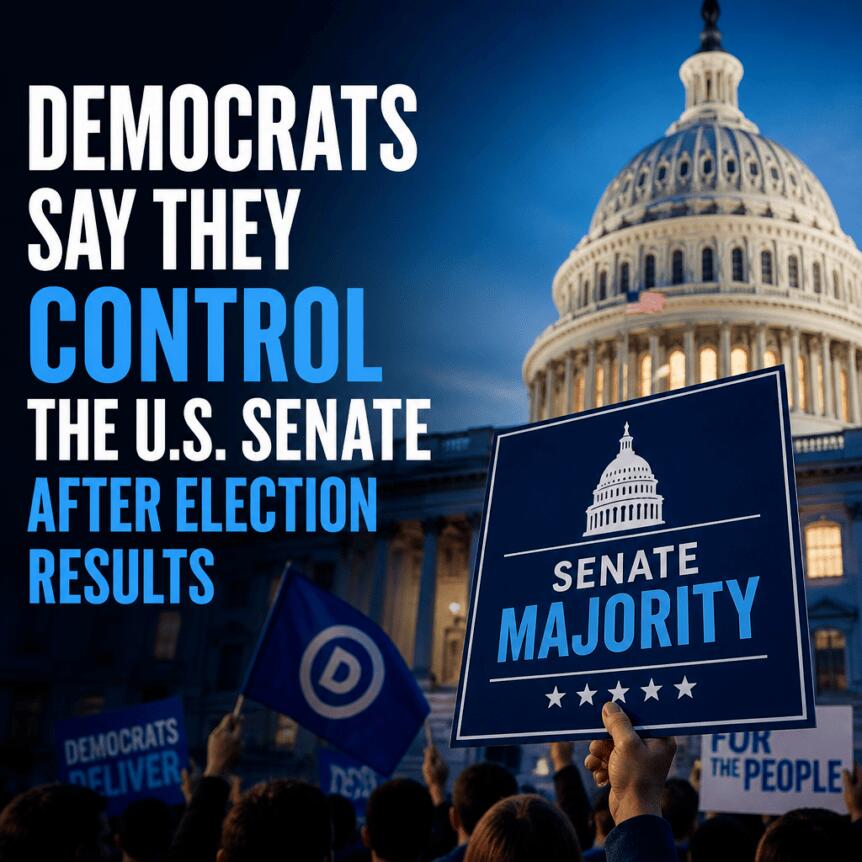
Democrats have taken control of the U.S. Senate after winning Senate seats previously held by Republicans, according to the Associated Press. The shift came as Democrats flipped seats in Texas, Ohio, North Carolina, South Carolina, Kansas and Iowa, and was ultimately finalized when Democrat Senator Josh Turek won the Iowa race, giving Democrats and independents who caucus with them 51 seats.
For the crypto industry, the new balance of power matters because it directly affects prospects for stalled federal legislation—most notably the CLARITY Act—and can influence which lawmakers oversee committees relevant to digital assets. It may also shape how lawmakers scrutinize crypto-related businesses and regulators’ decisions, alongside downstream effects on confirmation of future nominees to regulatory roles.
Key takeaways
- Democrats secured a 51-seat bloc in the Senate after flips across multiple states, including a decisive win in Iowa, setting the stage for committee leadership changes.
- The outcome reopens debate over the stalled CLARITY Act, which previously fell short of passage in a Senate procedural vote in September.
- Industry advocates say future legislation will likely require cross-party support to overcome procedural and timing hurdles.
- Some expected priorities from Democrats—such as conflict-of-interest rules and enhanced customer protections—could align with frameworks already in place internationally.
- Crypto stakeholders warn that making U.S. crypto policy a strictly partisan issue could delay regulatory clarity for years.
Why Senate control could change crypto’s legislative math
The immediate practical impact of a Senate majority is legislative agenda-setting: majority control affects which bills gain traction and who chairs or leads committees that oversee industries, including financial regulation and market infrastructure. The Associated Press reporting on the election results underscores how the new majority was assembled through a combination of seat flips and the final Iowa outcome.
That matters in a space where timing and procedural votes can decide outcomes as much as substance. An editorial point echoed by industry figures: even if lawmakers agree on certain principles, passing legislation requires maintaining coalition support through the Senate’s process.
The CLARITY Act faces a renewed test
Central to crypto’s Washington timeline is the CLARITY Act, which one industry advocate said has already met a procedural barrier. Jerome de Tychey, president of Ethereum France and co-founder of EthCC, told Cointelegraph that the bill failed its Senate procedural vote in September by a margin of 49 to 50.
De Tychey also highlighted an urgency tied to the legislative calendar: if the bill is not passed by January, the next Congress would begin from scratch. In other words, the new Senate landscape may improve the odds of action, but it does not eliminate the underlying challenge of assembling the necessary votes quickly.
From an investor and operator perspective, this is more than a political update. Clearer federal rules would affect how compliance programs are designed, how uncertainty is priced into business planning, and how quickly companies can scale without relying on a patchwork of enforcement-led outcomes. The practical question now is whether the CLARITY Act can secure enough durable support to move beyond procedural setbacks.
Expectations of tougher scrutiny—and a push for bipartisan support
Senate control can also alter how aggressively Congress examines the crypto sector. The shift in power could bring more congressional scrutiny of Trump-linked crypto businesses and regulators’ decisions, according to the original reporting’s framing of what the new majority could mean.
However, De Tychey cautioned against treating crypto policy as a party-only issue. “It’s too early to say exactly what this means for crypto, but one thing is clear: nothing will pass without cross-partisan support,” he said, adding that the industry would need to “go back to the table” and make its case again, on substance.
Fred Hsu, co-founder and CEO of D3—described as a core contributor to Doma Protocol—echoed the idea that lasting regulation depends on support from more than one political coalition. In comments provided ahead of the election, Hsu said the midterms should be a reminder that the industry “can’t rely on one party to deliver them,” and that companies should be engaging lawmakers on both sides now rather than later.
This emphasis on cross-partisan cooperation is particularly relevant given how close the CLARITY Act’s previous procedural vote was. When measures are separated by only a single vote, the coalition’s composition—who supports the bill and why—can become the decisive variable.
Potential policy priorities: conflict rules and customer protection
Even if Democrats regain leverage in the Senate, de Tychey suggested that some proposed regulatory priorities could ultimately strengthen the industry rather than undermine it. He pointed to “conflict-of-interest rules and customer protection obligations” as examples of requirements that a mature sector should be able to accommodate.
De Tychey drew a comparison with the European Union’s Markets in Crypto-Assets (MiCA) regime, noting that similar expectations already exist in Europe. That comparison highlights a broader theme for U.S. policymakers: whether American rules will converge with internationally established compliance norms—or diverge in ways that increase friction for global firms.
At the same time, de Tychey warned that even good-faith policy demands could become counterproductive if they become entrenched along party lines. His concern was that turning crypto regulation into a partisan flashpoint could “set the US back several years,” delaying legal clarity and reducing the likelihood of coherent, long-term standards.
For market participants, the key watch item is whether the new Senate majority translates campaign-era priorities into legislation that can withstand procedural hurdles, timing constraints, and the need for votes beyond a single party.
What to watch next
With Democrats now controlling the Senate, crypto advocates should focus on whether the CLARITY Act can build a cross-party coalition quickly enough to avoid the “reset” risk tied to the January deadline. The next crucial signals will be committee agendas, changes in leadership, and whether lawmakers move from scrutiny and debate toward a bill that can actually clear the Senate process.
This article was originally published as Democrats Say They Control the U.S. Senate After Election Results on Crypto Breaking News – your trusted source for crypto news, Bitcoin news, and blockchain updates.