The promise of bringing real estate onto blockchain has attracted digital asset developers seeking applications beyond cryptocurrency trading. But as more projects enter the sector, one disti
The promise of bringing real estate onto blockchain has attracted digital asset developers seeking applications beyond cryptocurrency trading. But as more projects enter the sector, one distinction matters: not every token connected to property represents ownership of a physical asset.
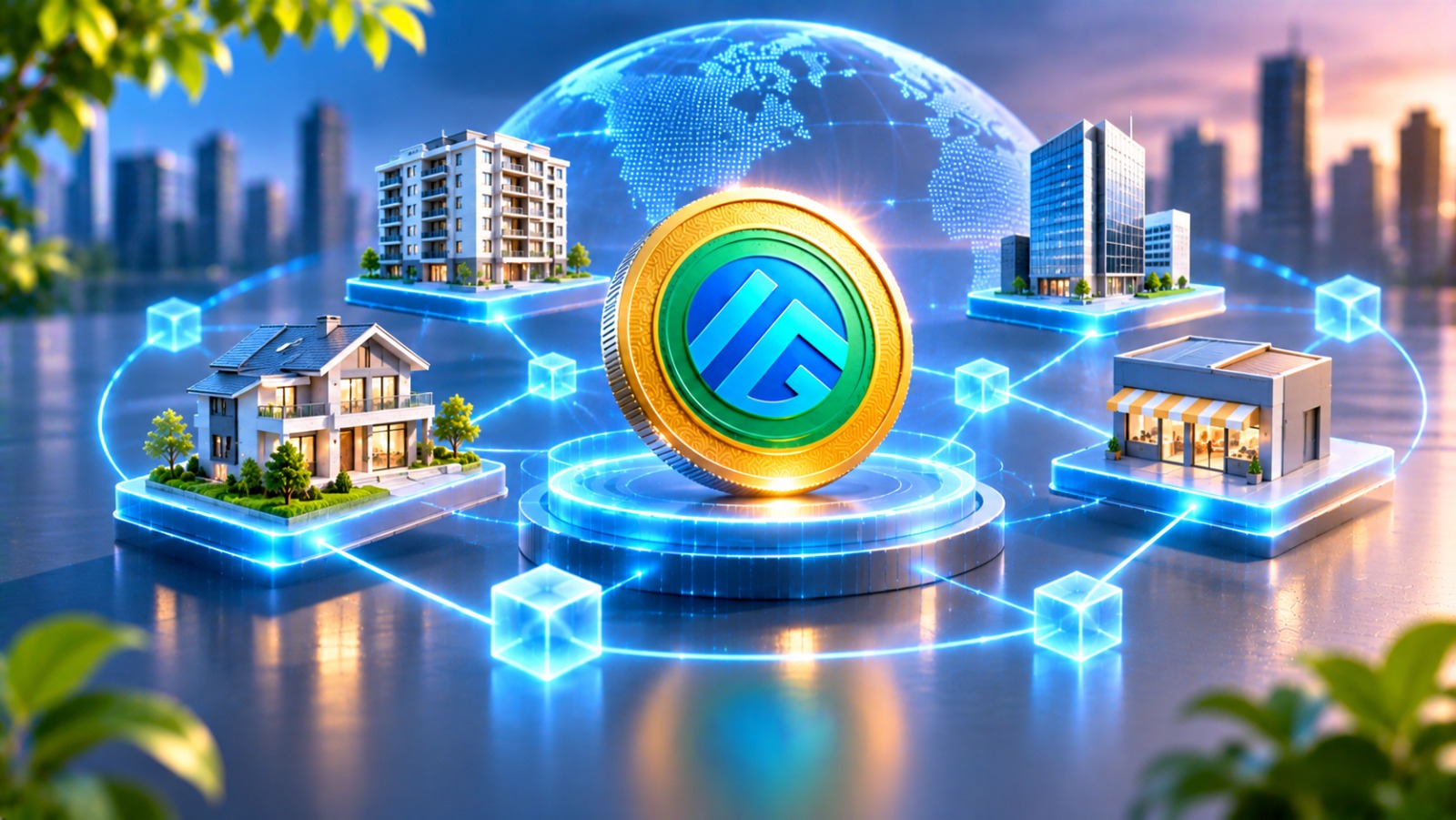
That distinction helps explain AsetQu's approach to developing a blockchain-based platform for property-related digital services.
The development comes as the broader digital asset market faces pressure. In October 2026, spot Bitcoin exchange-traded funds recorded approximately $515 million in net outflows, while spot Ethereum ETFs saw withdrawals of around $1.61 billion, according to figures reported by Kompas.com. The figures highlight the growing importance of practical use cases alongside investor demand.
Real estate offers opportunities for digital infrastructure, but also presents legal and operational challenges. Property transactions depend on ownership records, legal documents and procedures that cannot simply be transferred to a blockchain.
AsetQu addresses this market through a utility token connected to services available on AsetQu Hub. The token provides access to platform services; it does not represent fractional ownership of land or buildings.
This distinction is important because tokenization describes different business models. Some tokens represent rights or claims linked to real-world assets, while others provide access to products and services within a platform. The two should not be treated as equivalent.
In property markets, a digital token does not establish legal ownership, replace land certificates or remove existing transaction requirements. Any rights involving physical property remain subject to the applicable legal framework.
AsetQu's model is therefore distinct from fractional property ownership. Its utility token is designed to connect users with services through AsetQu Hub, not to give them a stake in physical real estate. That distinction defines what the project offers and where it stands in the tokenization market: a service-based digital property platform, rather than a system for dividing property ownership into tradable tokens.
Instagram : @asetqu_official
Tiktok : @asetqu_official
Twitter : @AsetQu_Official
Website : www. asetquhub.com