DODO has had a difficult 2026 by most measurable metrics, and the data doesn't leave much room for generous interpretation. TVL stands at approximately $12.9 million — a fraction of where the
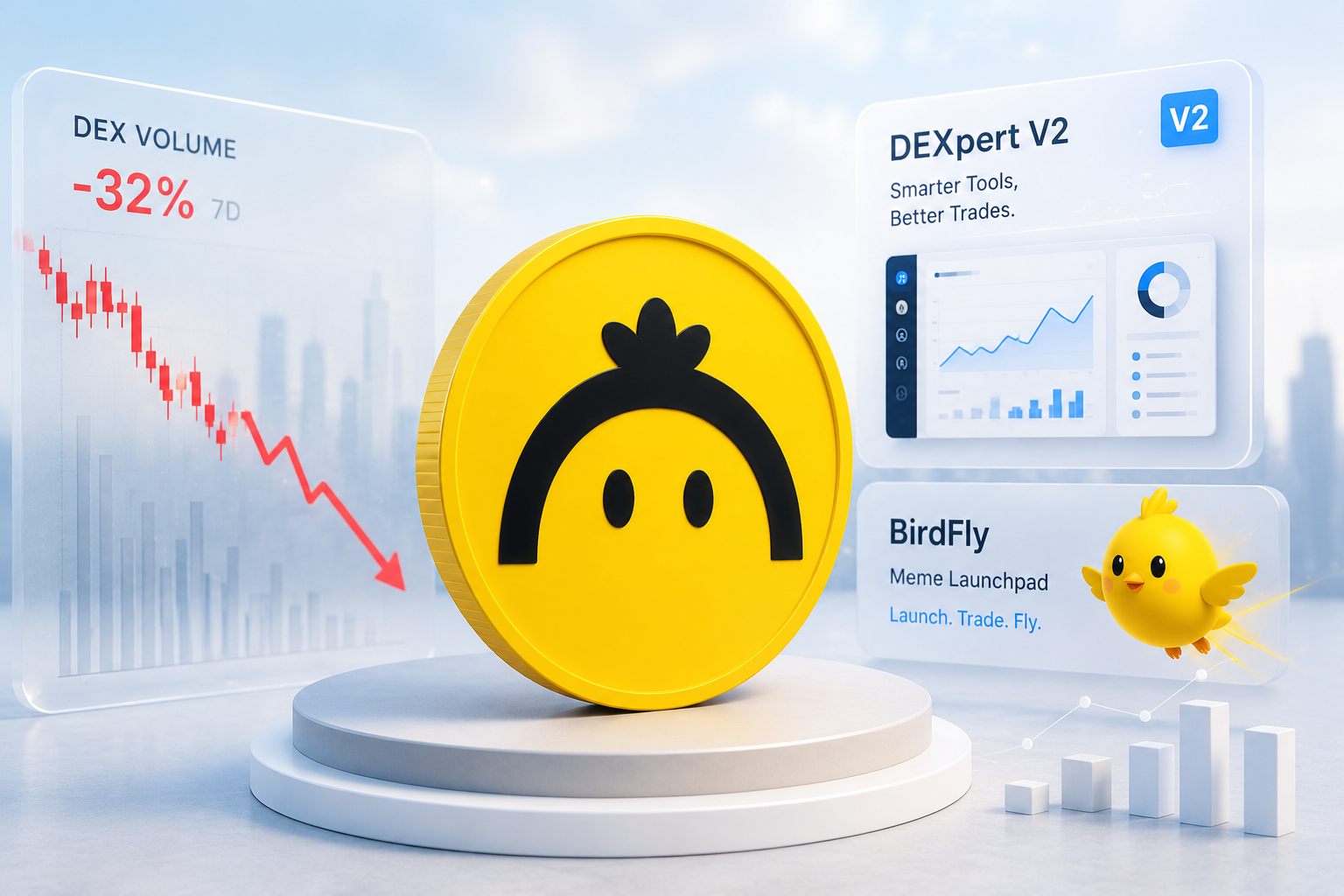
DODO has had a difficult 2026 by most measurable metrics, and the data doesn't leave much room for generous interpretation. TVL stands at approximately $12.9 million — a fraction of where the protocol once sat during its peak years — while weekly DEX volume has dropped 56% over the past seven days and fees fell 22% over the same period. The protocol's treasury holds just $72,600, raising legitimate questions about long-term sustainability without a meaningful recovery in trading activity. DODO is currently trading around $0.020, down sharply from its all-time high of $8.51 and sitting near multi-year lows with a market cap of roughly $20 million.
The protocol hasn't been standing still. But the competitive environment it's operating in has moved faster than its product roadmap.
What DODO Built That Still Matters
DODO is a DeFi protocol and on-chain liquidity provider that utilizes a unique Proactive Market Maker algorithm — a mechanism designed to provide superior liquidity and price stability compared to standard automated market makers by using oracles to gather accurate market prices and concentrate liquidity near those prices.
That technical differentiation remains genuinely valuable. Token Terminal data shows DODO has the highest capital efficiency among DEXs by the metric of exchange volume divided by total value locked — meaning the protocol does more with less liquidity than most of its competitors. The problem is that capital efficiency alone hasn't been enough to attract TVL or volume at the scale required to sustain meaningful fee revenue.
For liquidity providers, DODO allows creation of custom trading pairs, single-sided liquidity deposits to mitigate price risk, and a share of protocol transaction fees as compensation. For new projects, the Initial DODO Offering structure requires issuers to only deposit their own tokens — removing the capital requirement that makes conventional DEX listings inaccessible for smaller teams. Both features remain differentiated. Neither has generated the flywheel of volume growth the protocol needs.
DEXpert V2 and BirdFly — The Products Trying to Change That
DEXpert V2 is positioned as a one-stop toolkit for decentralized exchanges on public chains. A key component is BirdFly V1, a dedicated launchpad for creating and trading meme tokens that will offer token creation, liquidity migration tools, custom filters, and social media aggregation for real-time meme trends.
The strategic logic is straightforward — meme token activity has been one of the most consistent volume drivers in DeFi over the past two years, and a protocol with DODO's existing infrastructure is well-positioned to capture that activity if it can build the right user experience on top. The risk is that meme coin activity is highly cyclical and speculative, which could lead to volatile utility for the platform. Trading fees from meme token launches can be significant during peak cycles and negligible during quiet periods — a revenue stream that amplifies boom-and-bust dynamics rather than smoothing them.
Alongside new products, the core DODO protocol plans to add support for Solana and SVM blockchains — a major, fast-growing ecosystem currently separate from Ethereum. A Solana integration would meaningfully expand DODO's addressable market and give the protocol access to one of the highest-volume DEX ecosystems in crypto.
The Tokenomics Picture
DODO's buyback mechanism allocates 15% of public pool fees to repurchase tokens for vDODO holders, creating deflationary pressure. However, paused vDODO emissions since December 2023 limit new incentives for stakers. That combination — a buyback mechanism generating minimal revenue and staking yields that have been dormant for over two years — has made it difficult for the token to attract committed long-term holders even among users who actively use the protocol.
Binance delisted the DODO/BTC spot trading pair in March 2026 — a routine exchange maintenance move but one that reduced trading routes for BTC-denominated positioning and signaled declining priority for the token among the world's largest exchange's market quality reviews.
The honest assessment of DODO in mid-2026 is a protocol with genuinely innovative market-making technology and capital efficiency credentials that have been outpaced by better-capitalized competitors with deeper liquidity. DEXpert V2, BirdFly, and the Solana expansion represent the clearest path to reversing that trajectory — but they need to deliver volume that translates into fees before the treasury position becomes a critical concern.