An early Bitcoin developer's comments on self-custody have put a reported $88 million Coldcard bug back at the center of the wallet-security conversation, reframing the discussion around hard
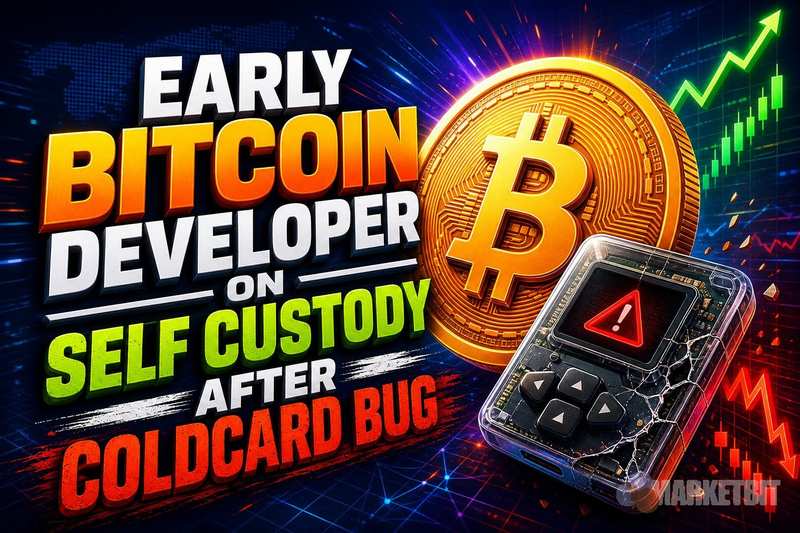
An early Bitcoin developer's comments on self-custody have put a reported $88 million Coldcard bug back at the center of the wallet-security conversation, reframing the discussion around hardware wallet trust rather than price action.
The core of the story is a reported flaw tied to Coldcard hardware wallets, a self-custody device made by Coinkite, and a developer's public remarks connecting that flaw to how Bitcoin holders secure their own keys. Coinkite has published a seed-generation warning for the Coldcard Mk3, and a separate technical write-up describes a predictable RNG fallback and 32-bit reseed in Coldcard firmware. Bitcoin is the only confirmed subject of this story, and the available research remains partial, so the details below are attributed rather than presented as independently verified.
What to know: the reported event links a hardware wallet bug to a self-custody debate; the technical material centers on seed generation and firmware randomness; and the underlying research is incomplete, meaning key figures and remediation details are not yet confirmed.
Why the Bug Matters for Bitcoin Self-Custody
Self-custody means a holder controls their own private keys instead of trusting an exchange or custodian, and hardware wallets exist to keep those keys offline. That model depends on a chain of trust assumptions, and the referenced material about seed generation and firmware randomness points to exactly where that chain can weaken. For related coverage, see XRP ETF Gets Only $640K in 24 Hours as Bitcoin and Ethereum ETFs Pull $155 Million.
Seed generation is the moment a wallet creates the secret that controls funds, and it relies on strong randomness. The Coldcard-related technical note about a predictable RNG fallback and a 32-bit reseed describes a scenario in which that randomness could be weaker than expected, which is why device setup practices and firmware integrity are central to the discussion. For related coverage, see Flare CEO Sees Bitcoin as Next DeFi Catalyst After XRP Push.
The broader lesson is vendor-agnostic. Anyone practicing self-custody should understand how their device generates seeds, whether its firmware is verified, and how setup is performed, the same diligence readers apply when evaluating how large Bitcoin holders secure treasury positions. These principles hold regardless of which hardware brand is involved, and they should be separated from any unverified claim about this specific incident.
What Readers Should Watch Next
Because the research is marked partial with no verified figures, the most useful thing readers can do is track what remains unresolved. The reported dollar amount, the scope of affected devices, and any confirmed loss are not established in the available evidence.
Several confirmation points would materially change this story: an official technical disclosure from Coinkite, independent verification of the firmware behavior described in the Block engineering note, and clear user guidance on whether existing devices need to be reseeded or replaced. Until those arrive, claims about the size or impact of the bug should be treated cautiously.
The security conversation here sits alongside other ongoing questions about how Bitcoin is held and moved, from large holders shifting coins onto exchanges to regulatory friction around Bitcoin products. For self-custody users, the practical takeaway is due diligence: verify firmware, understand seed generation, and wait for official confirmation before drawing conclusions about this bug.
Disclaimer: This article is for informational purposes only and does not constitute financial or investment advice. Cryptocurrency and digital asset markets carry significant risk. Always do your own research before making decisions.
Read original article on marketbit.net