ENS DAO Adds New Safeguard Against Malicious Proposals
Why the Council Exists The Ethereum Name Service (ENS) DAO has approved a proposal activating a new Security Council, giving the eight-member body a two-year mandate to act as a last line of
A
AnonymousCryptoCompass newsroom
July 21, 2026
2 min read
NEWS
CryptoCompass editorial visual for altcoins coverage.
Why the Council Exists
The Ethereum Name Service (ENS) DAO has approved a proposal activating a new Security Council, giving the eight-member body a two-year mandate to act as a last line of defense against malicious governance attacks.
As the percentage of actively delegated $ENS tokens has declined, an imbalance has grown where an attacker could theoretically acquire enough $ENS to seize control of the DAO at a cost lower than the total value of its treasury. The Security Council was created to address vulnerabilities stemming from low voter participation relative to treasury size. The executable proposal grants the DAO's veto power by making a single call to the DAO's TimelockController, assigning the cancel role to a Security Council contract built by security firm Blockful.
What the Council Can and Cannot Do
The council's powers are deliberately narrow. It can cancel timelocked proposals it deems malicious, and nothing else. The council cannot propose, amend, or otherwise initiate governance actions. The new council raises the threshold to cancel a proposal to 5-of-8, up from the original 4-of-8 multisig. The ENS governance process involves a proposal passing through the governor and, if approved, being queued in a timelock contract, delaying execution by two days. Intervention is only possible during that two-day window.
Elected members operate under a binding Appointment Agreement with the ENS Foundation, a public mandate, a removal mechanism for members who act outside that mandate, and mandatory know-your-customer and background checks before they can be seated.
Nick Johnson, who goes by nick.eth, filed the executable proposal and moved it to an onchain vote on Tally.The current council's term ends July 24, and a gap would leave the DAO without veto coverage.The new proposal establishes the Security Council based on the results of EP 6.50, "Election of the New ENS DAO Security Council", with a term lasting two years, until July 16, 2028.After the specified expiration period, anyone can revoke the council's cancel power, ensuring this is a time-limited mechanism that defaults back to a more decentralized posture.
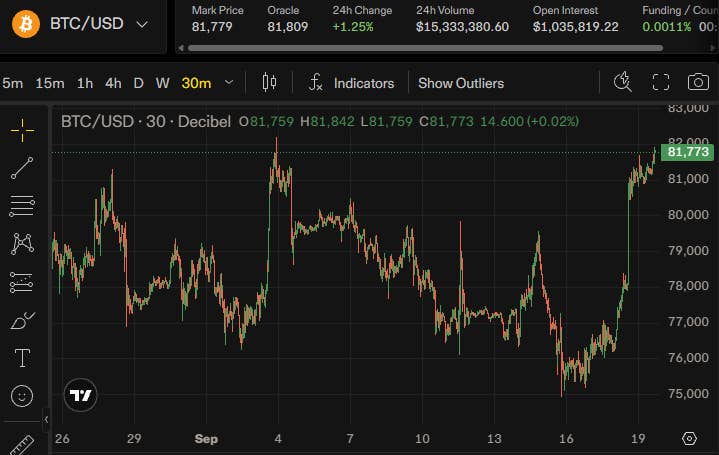
Gold price is near $4,400 after a period in which cryptocurrencies have delivered stronger short-term gains. Bitcoin’s rally above $81,500 and renewed interest in altcoins have drawn attentio
Marina Protocol Daily Quiz Answer 20 September 2026 If you're searching for the Marina Protocol Daily Quiz Answer for 20 September 2026, this guide brings together the latest verified update,
ARK Invest CEO Cathie Wood is one of the most bullish investors in the Bitcoin (BTC) ecosystem. When a podcaster referred to the cryptocurrency as a "dead cat," she didn't hold back. Wood is