ENS DAO is considering a draft proposal to delegate 5 million ENS tokens across multiple stakeholder groups, a governance restructuring effort that could significantly reshape voting power di
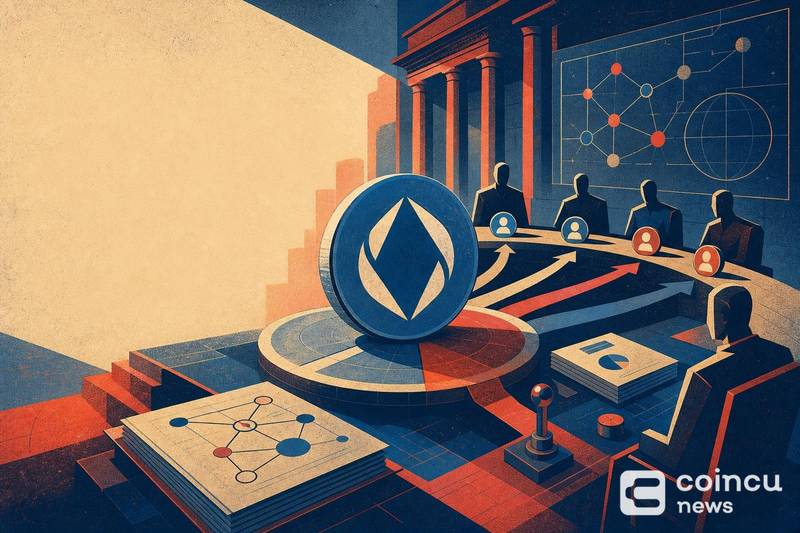
ENS DAO is considering a draft proposal to delegate 5 million ENS tokens across multiple stakeholder groups, a governance restructuring effort that could significantly reshape voting power distribution within one of Ethereum's most prominent decentralized organizations.
The proposal, titled "Reform DAO Governance by Delegating 5M ENS Tokens," was published as a draft on the ENS governance forum. It outlines a plan to distribute delegated voting power to a broader set of participants rather than concentrating influence among a small number of large holders. For related coverage, see Curve Proposes to Halt Elixir Market Gauges Post Elixir Shutdown.
The initiative follows broader concerns about governance participation and representation within ENS DAO, a pattern familiar to readers tracking how ENS DAO has previously proposed expanding ENS Foundation authority as part of its ongoing structural evolution.
How The Delegation Would Work
The draft proposal centers on delegating, not transferring, 5 million ENS tokens. Delegation grants voting power without changing token custody or ownership. Recipients would be able to vote on governance proposals using the delegated weight, but would not control the underlying tokens.
This distinction matters. Token holders retain economic ownership while distributing governance influence to stakeholders who are expected to participate actively in DAO decision-making. The structure mirrors delegation models used by other major DAOs seeking to improve voter turnout and representation quality.
The proposal envisions spreading delegated power across multiple stakeholder categories. While final allocations remain under discussion at the draft stage, the framework suggests intentional diversification of governance influence rather than consolidation into a single council or committee.
The restructuring effort addresses a core challenge facing many DAOs: concentrated voting power and low participation rates. When a small number of wallets hold outsized influence, governance outcomes may not reflect the broader community's preferences.
By delegating 5 million ENS tokens to active stakeholders, the proposal aims to create a more balanced voting landscape. This could include ecosystem contributors, service providers, or community representatives who engage regularly with ENS governance processes.
The move aligns with a wider trend in Ethereum governance discussions, where improving decentralized decision-making structures has become a recurring priority. Other protocols have similarly explored delegation frameworks, with Jupiter's recent governance proposals around JUP token mechanics reflecting parallel thinking about how to keep token holders engaged.
According to reporting from The Defiant, the proposal was put forward by an ENS co-founder, lending significant weight to the initiative within the community.
What This Could Mean For ENS Governance
A delegation of this scale would meaningfully alter ENS DAO's governance dynamics. Five million ENS tokens represent substantial voting power, enough to shift outcomes on contested proposals and influence agenda-setting within the DAO.
Broader stakeholder representation could improve the quality and legitimacy of governance decisions. When more participants hold meaningful voting weight, proposals face more rigorous scrutiny and outcomes better reflect diverse perspectives.
However, delegation also raises accountability questions. Delegated voters hold power without economic exposure, which could create misaligned incentives. The proposal's design would need to address how delegated power can be revoked and what performance expectations apply to recipients.
Community reaction will be a key variable. Governance restructurings of this magnitude often trigger debate about transparency, power distribution, and the criteria used to select delegates. Similar discussions have played out in other DAO communities, including Lido's recent governance proposals around treasury allocation.
What Happens Next
The proposal remains at the draft stage on the ENS governance forum. It has not yet moved to a formal vote. Draft proposals in ENS DAO typically undergo community discussion and revision before advancing to a temperature check and then a binding on-chain vote.
Token holders and delegates can weigh in on the forum discussion to shape the proposal's final form. The timeline for advancement will depend on community consensus and whether the proposal's authors incorporate feedback from the discussion period.
The outcome of this proposal could set a precedent for how ENS DAO structures governance going forward, particularly regarding the role of delegated voting power in balancing decentralization with effective decision-making.
Disclaimer: This article is for informational purposes only and does not constitute financial or investment advice. Cryptocurrency and digital asset markets carry significant risk. Always do your own research before making decisions.
The post ENS DAO Proposes 5M ENS Delegation in Governance Overhaul was initially published on Coincu.