The European Union has agreed on a new Russia sanctions package that targets banks, crypto operators, oil trade, and shipping linked to Moscow’s war in Ukraine. EU Agrees on 21st Russia Sanct
The European Union has agreed on a new Russia sanctions package that targets banks, crypto operators, oil trade, and shipping linked to Moscow’s war in Ukraine.
EU Agrees on 21st Russia Sanctions Package
EU envoys approved the bloc’s 21st sanctions package after weeks of negotiations among member states. The measures target 218 individuals and entities, making the package the EU’s largest round against Russia in four years.
EU foreign policy chief Kaja Kallas said the sanctions hit key financial and energy channels. She wrote, “We’ve hit more than a hundred banks and crypto operators, over 40 shadow fleet vessels, and several oil refineries in Russia and Belarus, who help keep Moscow’s war going.”
Source: Reuters
The package includes asset freezes, travel bans, and transaction restrictions. The measures are aimed at companies, individuals, and networks accused of helping Russia maintain trade, financing, and energy flows during the Ukraine war.
European Council President Antonio Costa said the package targets “energy, financial services, crypto, and trade.” The agreement follows concerns from some member states that certain restrictions could hurt EU businesses more than Russia.
Russian Banks and Crypto Operators Face New Curbs
The latest sanctions place fresh pressure on Russia’s banking sector. Diplomats said the package designates 94 Russian financial institutions, mainly banks, along with Moscow’s stock exchange.
The listings raise the total number of sanctioned Russian banks to more than 100. That represents more than half of Russia’s 213 internationally connected lenders, based on the figures cited by EU diplomats.
The package also includes separate transaction bans on 32 banks. These restrictions would disconnect the affected lenders from SWIFT, the global financial messaging system used for payment instructions.
Russia’s largest banks were removed from SWIFT soon after the 2022 invasion of Ukraine. The new measures extend that approach to smaller and regional lenders that have helped preserve financial flows.
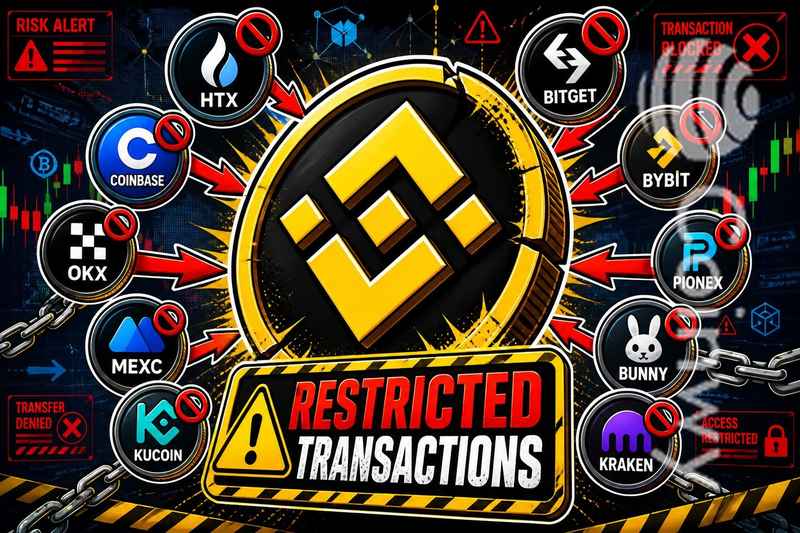
Crypto operators are also included because EU officials say Russian companies have used digital asset networks to maintain payments. The package adds crypto firms and oil trading platforms to the transaction ban list.
The sanctions also cover more than 50 military-industrial entities. EU officials linked those companies to Russia’s defense supply chain, including producers involved in long-range drone programs.
Oil Price Cap Frozen as LNG Deal Gets Exemption
The package freezes the Russian oil price cap at $44.10 per barrel for 12 months. The cap is meant to limit Russian oil revenue while avoiding a broader energy price shock.
A scheduled review could have raised the cap after crude prices climbed during the Iran war. European Commission President Ursula von der Leyen said the freeze prevents Russia from benefiting from sudden market moves, writing that the bloc was “freezing the oil price cap adjustment for a year.”
Russian crude has often traded above the cap. Urals, Russia’s main export grade, was valued near $67.50 per barrel this week, excluding shipping and insurance costs.
The package also includes a compromise on Russian liquefied natural gas. EU firms received a one-year exemption, with automatic renewal, allowing Russian LNG transfers to third countries after a January 1 deadline.
Greece had pushed for the exemption, arguing that a transfer-service ban would shift business outside Europe without reducing Russian revenue. Greece has a large role in Europe’s LNG carrier market and competes with shipping firms in Japan, China, and the United States.
EU imports of Russian LNG will still be banned from January 1. The exemption applies to transfers to third countries, not direct EU purchases.