BitcoinWorld Euro and Pound Diverge as Dollar Holds Flat Amid Hormuz Supply Shock Currency markets showed a clear divergence on Tuesday as the euro and the British pound moved in opposite dir
BitcoinWorld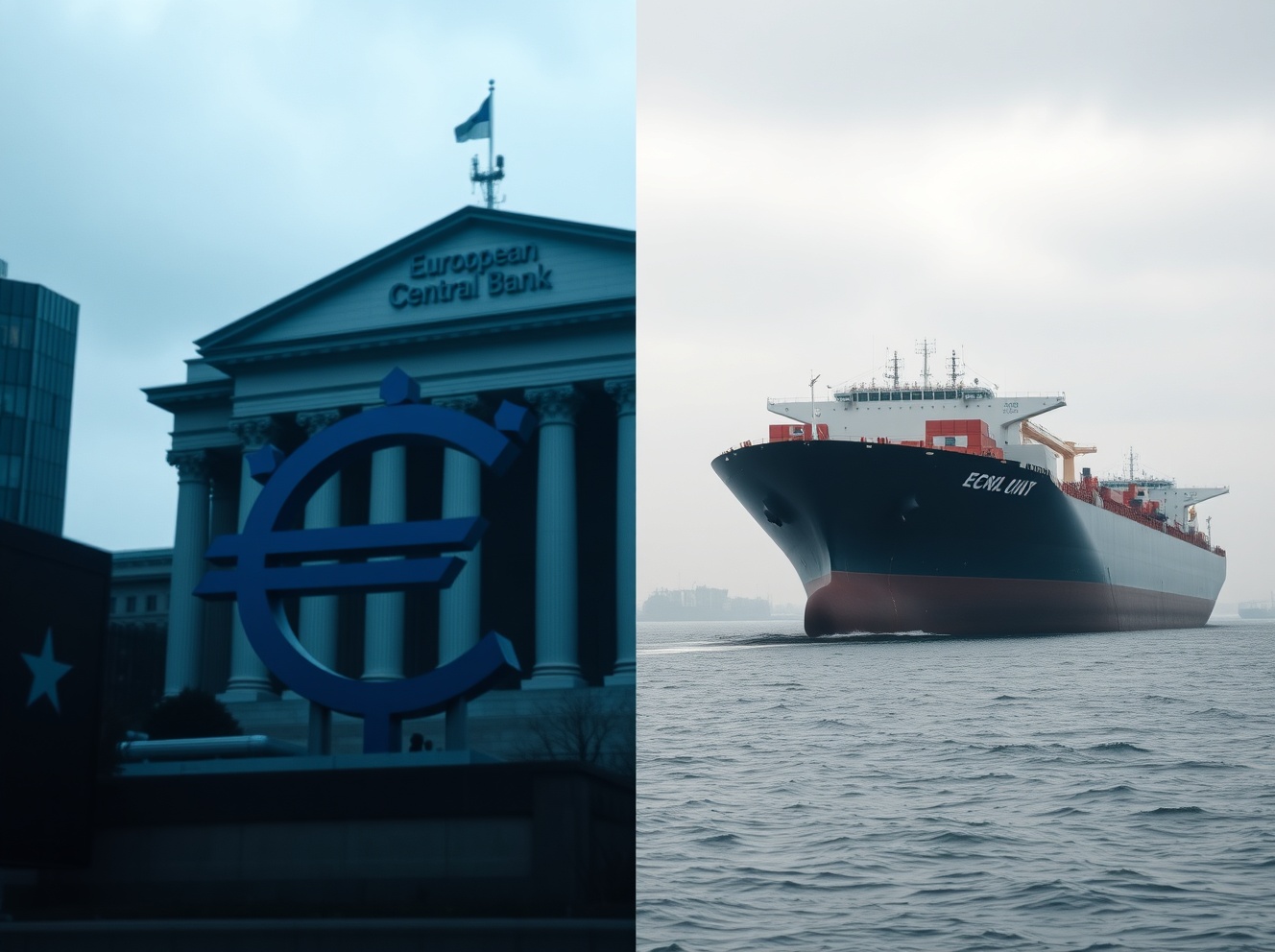 Euro and Pound Diverge as Dollar Holds Flat Amid Hormuz Supply Shock
Currency markets showed a clear divergence on Tuesday as the euro and the British pound moved in opposite directions against a largely flat US dollar, with traders reacting to a sudden supply disruption originating from the Strait of Hormuz. The dollar index remained range-bound, failing to gain traction despite heightened geopolitical uncertainty, while European currencies responded to regional economic pressures and shifting risk sentiment.
Supply Shock from the Strait of Hormuz
The catalyst for the market movement was a reported disruption in oil shipments through the Strait of Hormuz, a critical chokepoint for global energy supplies. Early reports indicated a temporary halt or significant slowdown in tanker traffic following an incident involving a commercial vessel. While details remain unconfirmed, the event immediately reignited concerns about energy security and supply chain fragility in the region. Oil prices spiked briefly before stabilizing, but the knock-on effects were felt across foreign exchange markets, particularly in currencies sensitive to energy import costs.
Euro Under Pressure, Pound Finds Support
The euro weakened against the dollar, slipping by 0.3% in midday trading, as the supply shock amplified existing concerns over the Eurozone’s reliance on imported energy. The European Central Bank’s cautious stance on inflation and growth further weighed on the single currency. In contrast, the British pound edged higher, gaining 0.2% against the greenback. Analysts attributed the pound’s resilience to expectations that the Bank of England may maintain a tighter monetary policy relative to its peers, as well as the UK’s comparatively diversified energy supply mix, which includes domestic North Sea production and increased liquefied natural gas imports.
Why the Dollar Remained Flat
The US dollar showed little net movement, trading in a narrow range against a basket of major currencies. Market participants noted that the dollar’s safe-haven appeal was offset by expectations of a potential Federal Reserve rate cut later this year, as well as the relative insulation of the US energy market from Hormuz disruptions. The United States has become a net exporter of oil and gas in recent years, reducing its direct vulnerability to such chokepoint events. This dynamic has altered traditional correlations between geopolitical risk and dollar strength.
Broader Market Implications
The divergence between the euro and the pound highlights the growing fragmentation within European currency markets, driven by differing energy dependencies and monetary policy trajectories. For investors and businesses operating across the region, this creates both opportunities and risks. Importers in the Eurozone face higher costs if the euro continues to weaken, while UK exporters may benefit from a relatively stronger pound. The situation also underscores the importance of monitoring geopolitical developments in critical infrastructure zones, as even temporary disruptions can have outsized effects on currency valuations.
Conclusion
The Hormuz supply shock has introduced a new layer of complexity to an already uncertain global economic landscape. While the immediate impact on oil prices appears contained, the currency market reaction signals that investors are reassessing regional vulnerabilities. The euro’s weakness and the pound’s relative strength may persist if energy supply concerns remain elevated, though much depends on the resolution of the incident and broader central bank responses. Market participants should remain attentive to further developments from the region and their potential to reshape currency dynamics in the weeks ahead.
FAQs
Q1: Why did the euro weaken while the pound strengthened?The euro weakened due to the Eurozone’s higher reliance on imported energy from the Middle East, combined with the ECB’s dovish policy stance. The pound strengthened on expectations of tighter UK monetary policy and the UK’s more diversified energy supply.
Q2: How does a Hormuz supply shock affect currency markets?A disruption in Hormuz, a key oil transit chokepoint, raises energy import costs for countries dependent on that route. Currencies of net energy importers, like the euro, tend to weaken, while those of more energy-independent nations, like the US dollar, may remain stable or strengthen.
Q3: What should investors watch next?Investors should monitor official statements from shipping authorities, any escalation in regional tensions, and central bank communications regarding potential policy responses. The duration of the disruption will be critical in determining whether the currency moves are temporary or signal a longer-term shift.
This post Euro and Pound Diverge as Dollar Holds Flat Amid Hormuz Supply Shock first appeared on BitcoinWorld.