New Nexo Card data shows stablecoins and crypto-backed credit funding meals, flights and For years, the question hanging over crypto payments was simple: why would anyone spend an asset they
New Nexo Card data shows stablecoins and crypto-backed credit funding meals, flights and
For years, the question hanging over crypto payments was simple: why would anyone spend an asset they expect to rise in value? New data from Nexo suggests European crypto holders have found an answer. Many of them simply do not sell.
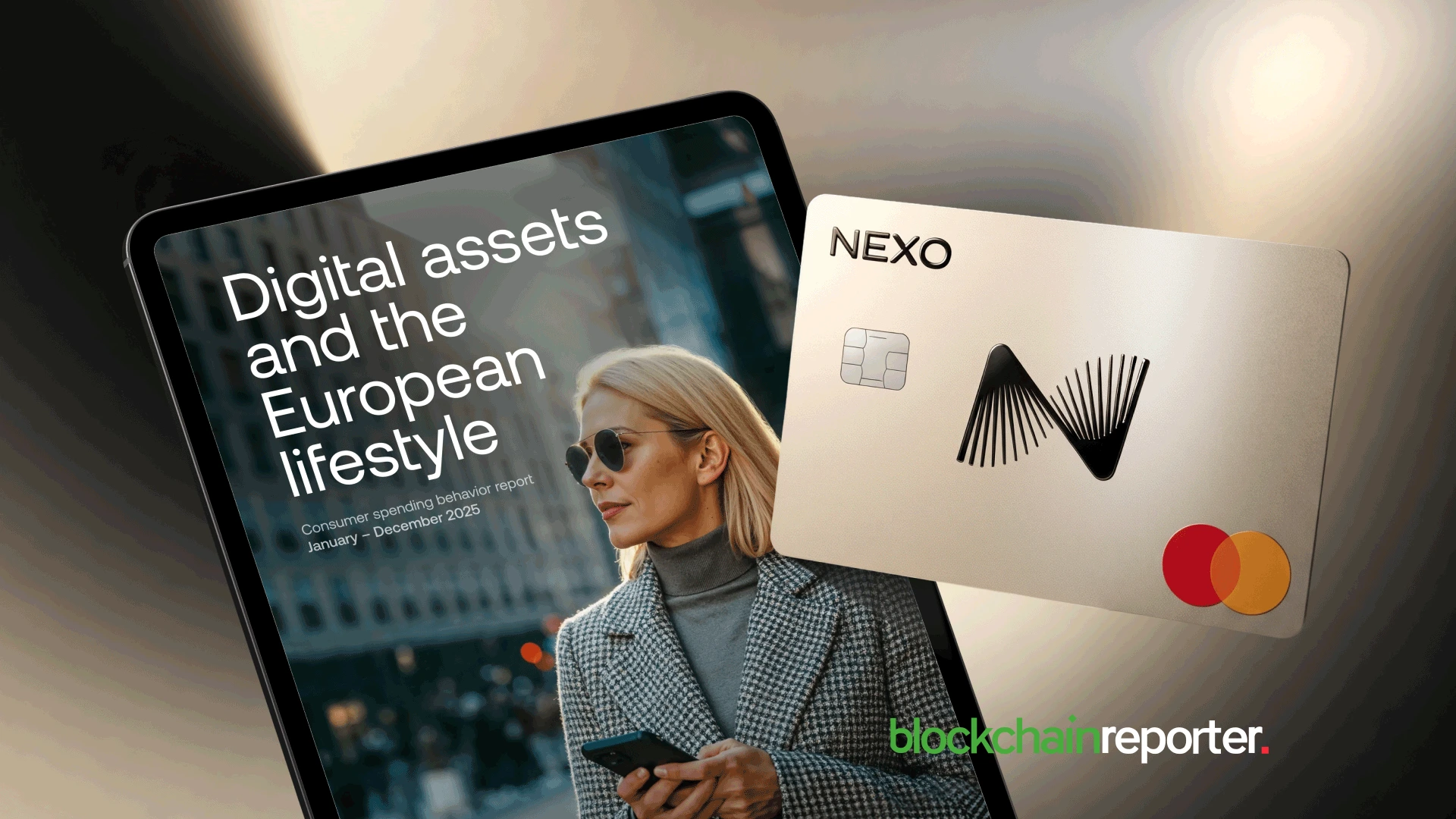
Nexo’s report Digital assets and the European lifestyle, based on a full year of anonymised Nexo Card transactions across the European Economic Area, shows a consumer who pays for ordinary life with digital asset wealth, using two very different routes to get there.
Route one: borrow, don’t sell
In credit mode, Nexo cardholders borrow against holdings such as Bitcoin and Ether instead of selling them. The assets stay in place as collateral, and the cardholder spends against their value.
For long-term holders, the appeal is clear: a dinner or a flight no longer means giving up a position. The trade-off is risk. If the market value of the collateral falls, the assets may be sold to cover the loan.
Route two: pay with stable value
In debit mode, crypto is converted at the point of sale. Here, the data points to a practical preference. When clients pay straight from their crypto, 72.7% of that spending goes through stablecoins, digital assets designed to hold a steady value, though that stability is not guaranteed.
In other words, when crypto holders spend directly, most reach for the asset that behaves most like cash.
What the money buys
The funding is new. The shopping list is not.
Nearly a third of spending on the card went on travel, eating out and leisure. Restaurants took 88.5% of food and drink spending, and for more than half of cardholders the card also covered the grocery shop. The fastest growth came in health and wellness, up 27% on 2024, followed by travel and entertainment, each up 22%.
The ticket sizes are larger, though. European Nexo cardholders spent about €80 per transaction, roughly twice the euro-area card average of about €38 reported by the European Central Bank.
Infrastructure as the missing link
Crypto ownership in Europe is already substantial. In early 2026, about one in five respondents in the Netherlands and one in six in Germany said they owned crypto assets, according to the Adan and Ipsos 2026 Barometer. In France, 53% of holders had already paid for something with crypto, most often by card.
Nexo’s argument is that ownership alone does not drive spending. What turns stored wealth into consumption is infrastructure that lets people use their assets without exiting them.
“What sets this spending apart is how it is funded,” said Yasen Yankov, Head of Product Management at Nexo. “We see digital asset wealth, made spendable by tools like the Nexo Card, becoming a new driver of consumption.”
The bigger question
If the pattern holds, crypto wealth may start to show up in consumer spending data the way housing wealth or stock portfolios do today: not as a niche payment method, but as a source of purchasing power behind ordinary purchases.
The Nexo Card runs on the Mastercard network, and Nexo describes it as the first crypto card to combine credit and debit functions. It has also just expanded to overseas territories and autonomous regions in France, Spain and Finland.
The full findings are in the report: Digital assets and the European lifestyle.