BitcoinWorld Fed’s Schmid: Surging Oil Prices Are Weighing on Consumer Spending Power Federal Reserve Bank of Kansas City President Jeffrey Schmid issued a sobering assessment of the current
BitcoinWorld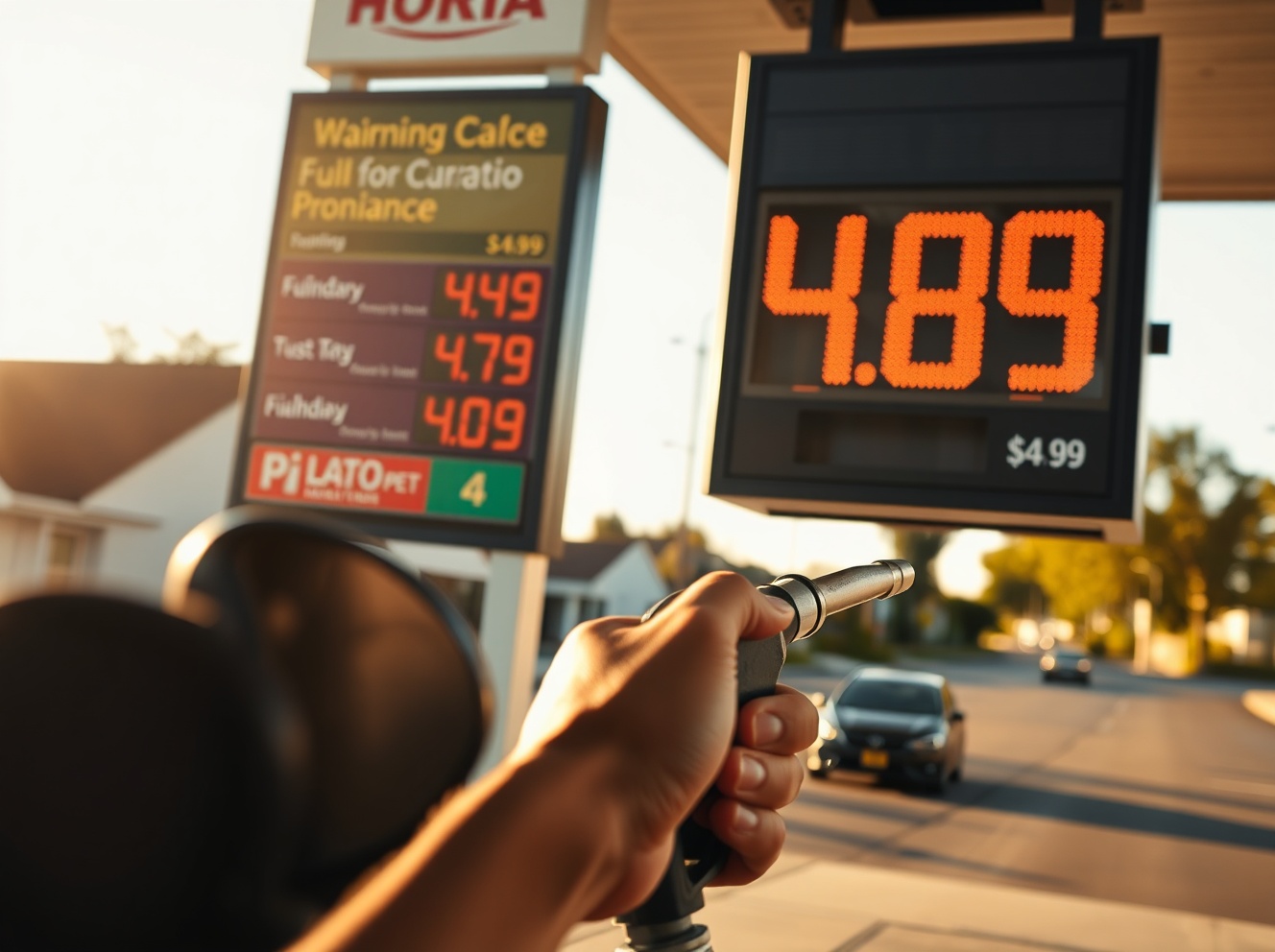 Fed’s Schmid: Surging Oil Prices Are Weighing on Consumer Spending Power
Federal Reserve Bank of Kansas City President Jeffrey Schmid issued a sobering assessment of the current economic landscape on Wednesday, stating that rising oil prices are directly reducing consumer purchasing power. Speaking at an event in Kansas City, Schmid highlighted the strain that higher energy costs are placing on households and businesses alike.
Oil’s Ripple Effect on the Economy
Schmid noted that the recent surge in global crude oil prices, driven in part by ongoing geopolitical tensions and supply constraints, is acting as a tax on consumers. When oil prices rise, the cost of gasoline, heating, and a wide range of goods that depend on transportation increases. This leaves households with less disposable income for other spending, which can slow broader economic growth.
The Fed official emphasized that while the central bank remains focused on its dual mandate of price stability and maximum employment, external shocks like oil price spikes complicate the policy outlook. “Surging oil is weighing on spending power,” Schmid said, according to prepared remarks. “It’s a headwind that we are monitoring closely.”
Implications for Monetary Policy
Schmid’s comments come at a delicate time for the Federal Reserve. After raising interest rates aggressively to combat inflation, the central bank has held rates steady in recent meetings, awaiting clearer signs that inflation is sustainably moving toward its 2% target. Higher oil prices threaten to keep inflation elevated, potentially delaying any pivot toward rate cuts.
Market participants are now parsing Fed officials’ remarks for clues about the timing and pace of future policy moves. Schmid, who is not a voting member of the Federal Open Market Committee (FOMC) this year, is nevertheless viewed as a thoughtful voice on monetary policy. His focus on the consumer impact of oil prices adds a layer of caution to the outlook.
What This Means for Households
For everyday Americans, the immediate effect is visible at the pump. National average gasoline prices have climbed in recent weeks, squeezing budgets that were already stretched by higher costs for rent, food, and insurance. The concern among economists is that sustained high energy prices could dampen consumer confidence and lead to a pullback in discretionary spending, which is a key driver of the U.S. economy.
Conclusion
Federal Reserve Bank of Kansas City President Jeffrey Schmid’s warning about the impact of surging oil prices on consumer spending power underscores a critical vulnerability in the current economic expansion. While the Fed continues to navigate a complex inflation environment, the pressure from energy costs is a reminder that external factors remain a significant source of uncertainty. Policymakers and consumers alike will be watching oil markets closely in the months ahead.
FAQs
Q1: Why do rising oil prices affect consumer spending?Higher oil prices increase the cost of gasoline, heating, and transportation of goods. This forces consumers to spend more on essentials, leaving less money for other purchases like dining out, travel, or retail goods.
Q2: How does the Federal Reserve view oil price increases?The Fed sees oil price increases as a potential inflationary pressure that can complicate its efforts to bring inflation down to its 2% target. It also monitors how these price increases affect consumer spending and overall economic growth.
Q3: What is Jeffrey Schmid’s role at the Federal Reserve?Jeffrey Schmid is the president of the Federal Reserve Bank of Kansas City. He participates in FOMC discussions but is not a voting member in 2025. His views are still influential in shaping the broader debate on monetary policy.
This post Fed’s Schmid: Surging Oil Prices Are Weighing on Consumer Spending Power first appeared on BitcoinWorld.