FinCEN Withdraws Proposed Crypto Mixing and Unhosted Wallet Reporting Rules
FinCEN announced on October 5, 2026 that it is withdrawing two previously proposed rules covering crypto mixing services and unhosted wallet transaction reporting The agency cited public comm
A
AnonymousCryptoCompass newsroom
October 5, 2026
3 min read
NEWS
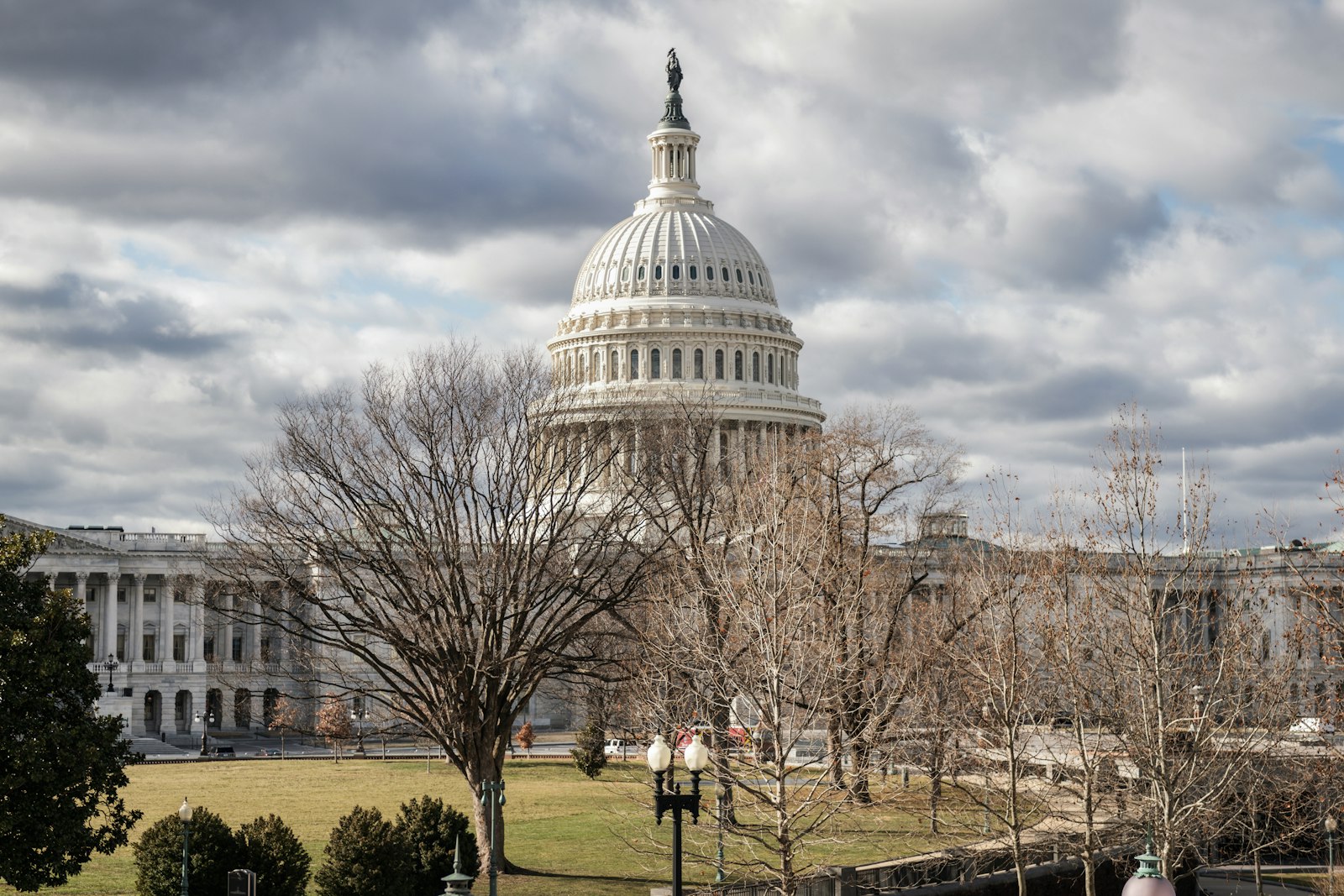
CryptoCompass editorial visual for policy coverage.
FinCEN announced on October 5, 2026 that it is withdrawing two previously proposed rules covering crypto mixing services and unhosted wallet transaction reporting
The agency cited public comments warning the rules would have a chilling effect on legitimate financial activity
The withdrawal reverses a surveillance-oriented approach to crypto transactions that had drawn sustained criticism from the digital asset industry since the rules were first proposed
The Financial Crimes Enforcement Network announced in an October 5, 2026 press release that it is withdrawing two proposed rules that would have imposed new reporting and due-diligence requirements on financial institutions handling certain convertible virtual currency transactions, including those involving crypto mixing services and unhosted, or self-custodied, wallets.
FinCEN said the withdrawal follows extensive public comment warning that the proposed requirements, as drafted, risked producing a chilling effect on legitimate financial activity rather than narrowly targeting illicit finance. The original proposals would have required covered financial institutions to collect and report additional information on transactions involving mixing services, which obscure the trail of funds on public blockchains, and transactions sent to or from wallets not held by a regulated custodian.
Crypto industry groups had argued since the rules were first floated that the reporting thresholds and definitions were broad enough to sweep in large volumes of routine, legitimate self-custody activity, potentially discouraging US financial institutions from serving crypto-related customers at all rather than navigating the compliance burden the rules would have created. Privacy advocates separately raised concerns that mandatory reporting on unhosted wallet transactions above certain thresholds would have expanded government visibility into individuals’ self-custodied crypto holdings well beyond what applies to other asset classes.
The withdrawal marks a notable reversal from the more surveillance-oriented posture FinCEN and Treasury had taken toward crypto mixing and self-custody in prior rulemaking attempts, reflecting a broader recalibration across US regulators this year toward frameworks that industry participants and lawmakers argue more precisely target bad actors without burdening ordinary users or custodial infrastructure providers.
FinCEN’s move came the same week Treasury’s Office of Foreign Assets Control continued pursuing more targeted sanctions actions against specific entities and networks found to be using crypto for illicit purposes, suggesting the agency’s overall strategy is shifting toward case-by-case enforcement against identified bad actors rather than blanket reporting mandates applied across the entire crypto ecosystem. The withdrawal gives financial institutions and crypto platforms regulatory clarity that the specific mixing and unhosted wallet reporting regimes proposed in earlier rulemakings will not move forward in their original form.
Blockchain monitoring service Whale Alert flagged a $250 million USDC mint at the USDC Treasury, adding a significant volume of the dollar-pegged stablecoin to circulation. Large treasury min
XRP reaching $10 would require a major increase from its current price. But Digital Asset Investor has focused on a different question: how much capital would actually need to enter the marke
Developers advancing the XRP Ledger (XRPL), the public blockchain supporting the XRP digital asset, have released the ninth version of the Smart Escrow Devnet, bringing programmable escrow fe