The Bank of Russia has published its first formal guidelines for cryptocurrency trading, marking a significant regulatory milestone for the country's digital asset sector. The framework estab
The Bank of Russia has published its first formal guidelines for cryptocurrency trading, marking a significant regulatory milestone for the country's digital asset sector. The framework establishes, for the first time, organized rules for how crypto trading must be conducted within the federation.
Capital Requirements and Licensing
Under the new guidelines, digital depositories seeking a license must hold equity capital of between 50 million and 250 million rubles. The rules are part of a broader legislative push that has been building for months. Russia's State Duma approved the country's first comprehensive cryptocurrency law, creating a legal framework for exchanges, depositories, and other digital asset providers starting September 1.
The proposed legislation, developed by the Bank of Russia and the Finance Ministry, creates a licensed ecosystem comprising crypto exchanges, digital depositories, brokers, management companies, and crypto exchangers. Firms will have time to come into compliance: the law officially takes effect on September 1, 2026, although financial institutions have until July 1, 2027 to obtain the required licenses and fully comply with the new rules.
Investor Limits and Market Scope
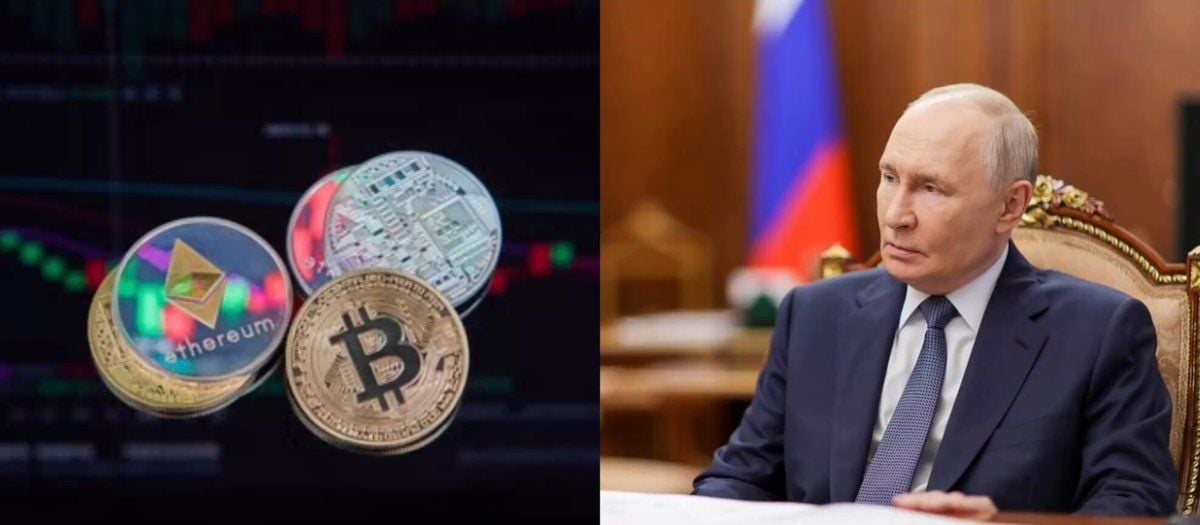
The law restricts crypto trading to entities in a special registry, caps annual purchases by retail investors at about $3,800 per licensed intermediary, and grants judicial protection to holders of digital currencies.Non-qualified retail investors will only be permitted to trade three digital assets: Bitcoin, Ethereum, and USDT.Qualified investors may trade without volume caps but will also face a knowledge assessment, while privacy-focused cryptocurrencies that conceal transaction data remain prohibited.
The framework permits Russians to trade digital assets on domestic exchanges, subject to testing and investment limits for non-qualified investors, while authorised firms will be allowed to provide digital asset custody, crypto trading, fiat conversion, and cross-border settlement services.
The guidelines are expected to bring standardization and transparency to exchanges operating in Russia, replacing what has largely been an unregulated or grey-market environment. The new rules create a regulated market for cryptocurrency trading similar to Russia's securities market, requiring exchanges, brokers, custodians, and other service providers to obtain Central Bank licenses by July 1, 2027.
Sources:CoinDesk: Russia passes historic crypto rules to regulate tradingThe Moscow Times: Russia Passes Crypto Law to Legalize Trading Under Tight Central Bank OversightCrypto Briefing: Central Bank of Russia restricts retail investors to Bitcoin, Ethereum, and USDT