In February 2026, Nigerian defence-tech startup Terra Industries raised an additional $22 million in a seed extension led by Lux Capital, bringing its total funding to $34 million. The round
In February 2026, Nigerian defence-tech startup Terra Industries raised an additional $22 million in a seed extension led by Lux Capital, bringing its total funding to $34 million. The round highlighted a growing category of Nigerian tech companies attracting foreign capital beyond fintech, with investors backing defence, surveillance, and critical infrastructure technology.
Terra Industries specialises in building drones and autonomous security systems designed to safeguard critical infrastructure. Their latest funding round saw contributions from prominent investors, including Lux Capital from the U.S. and 8VC, an investment firm founded by Joe Lonsdale, a co-founder of Palantir. Notably, Alex Moore, a defence partner at 8VC, joined Terra’s board just a year earlier, highlighting the company’s growing credibility.
Founded in 2024 by Nathan Nwachuku and Maxwell Maduka, Terra quickly gained traction, drawing investment from influential backers in Silicon Valley within just two years. This shift is noteworthy compared to Nigeria’s earlier tech boom, when most foreign investments flowed into fintech companies aimed at simplifying payments and easing cross-border transactions.
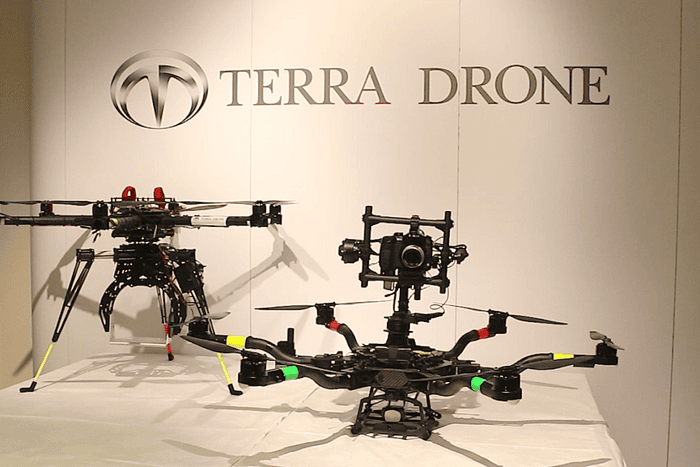
Now, foreign capital is diversifying its focus, supporting a broader range of industries, including defence and security. This change reflects a growing recognition of the intersection between technology, infrastructure, and national interests in Nigeria’s evolving economy.
The money that built Nigeria’s fintech giants
Flutterwave’s story highlights how crucial international investment has become for Nigerian fintech companies. Back in February 2022, Flutterwave secured a whopping $250 million in a Series D funding round. This round was led by B Capital Group, with support from several other investors like Alta Park Capital, Whale Rock Capital, and Lux Capital.
Thanks to this investment, Flutterwave’s valuation soared to over $3 billion. On the flip side, there’s Paystack, which took a different route. In 2018, it received funding from Stripe, a renowned US payments company, during its Series A round. Then, in October 2020, Stripe moved to acquire Paystack, bringing the Nigerian startup into its fold.
Why does this matter? Flutterwave’s funding attracted various outside investors, while Stripe’s acquisition meant Paystack became part of a foreign-owned global payments company. Both cases show how international funding can be a game changer for Nigerian businesses, but it’s crucial to note that investment does not equal ownership.
These examples also shine a light on a challenging reality: many leading tech companies in Nigeria have depended heavily on foreign investors to support their growth. It is important to clarify that relying on international funding doesn’t diminish a company’s Nigerian identity, nor does it mean foreign investment is a bad thing. In fact, international investors often bring larger sums of money, valuable connections to global markets, and expertise in scaling businesses across different regions.
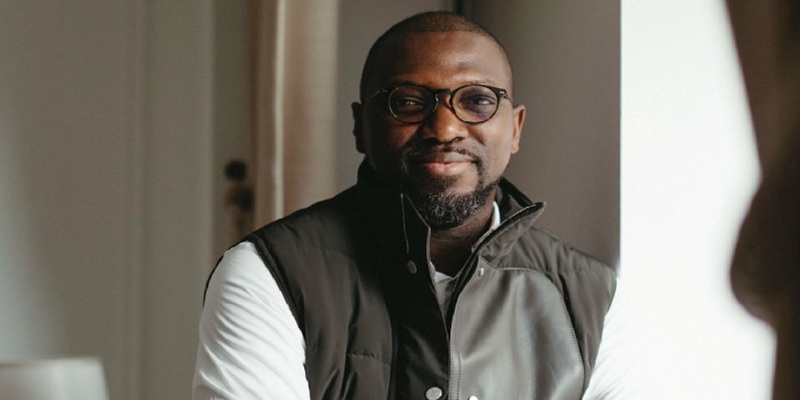
Flutterwave Founder/CEO, GB Agboola
For founders eager to expand quickly, these resources may not always be available locally. The real question becomes: what does it mean for the future when overseas investors are often the most viable option for financing growth?
Nigeria still has money, but can it fund ambition?
The recent funding trends in Nigeria’s startup ecosystem raise important questions about the future of entrepreneurship in the country. According to Partech’s 2025 Africa Tech Venture Capital report, Nigerian startups attracted $412 million through 83 deals last year. While this might sound impressive, it actually marks a 21% decline in funding and a 19% drop in the number of deals compared to 2024.
Despite these setbacks, Nigeria remains one of Africa’s busiest startup hubs when it comes to deal count. However, these figures signal that securing equity financing has become a tougher challenge for founders.
It is essential to remember that equity funding is just one way startups can raise money; there’s also debt financing to consider. A decline in equity funding doesn’t mean that investors are turning their backs on Nigerian tech companies. Instead, it reflects a market where the availability of capital, the size of investments, and investors’ willingness to take risks are all critical factors.
Similar read: Equity funding hits new 4-year high as African startups raise $797m in Q3 2026
Flutterwave’s CEO, Olugbenga “GB” Agboola, has been vocal about this issue. In a 2025 interview with African Business, he pointed out that a significant portion of Flutterwave’s funding comes from foreign investors. He stressed the need for more African capital to support local tech ventures, stating, “It’s very important. Because you have to be on the ground to understand the nuances of the African market.”
Agboola acknowledged that because founders need funds to grow, they can’t afford to turn away foreign investment.

funding
There’s a glimmer of hope, though. Data from the African Private Capital Association shows that the share of venture-fund commitments from African investors rose to 45% in 2025, up from an average of 23% between 2022 and 2024. While that is encouraging, it is important to note that commitments don’t always equal actual funds invested in Nigerian startups.
This data represents trends across Africa as a whole, not just Nigeria, highlighting a growing pool of domestic and regional capital, but local founders still face challenges in securing amounts comparable to those from international funds.
Terra shows where the story could go next
Terra’s funding round has caught attention for two main reasons: the unique business it is building and the diverse group of investors involved. The company focuses on protecting vital infrastructure, like the energy and mining sectors, which raises its profile in the tech world. Notable investors include 8VC and Lux Capital, along with Resilience17, led by Flutterwave CEO Agboola.
What is particularly interesting is that this scenario showcases the collaboration between African and international investors within the same funding round. Each brings different strengths and priorities to the table, enhancing the potential for success. However, it’s important to examine who these investors are. Just because an investor joins the board doesn’t mean they control the business outright. A funding announcement on its own doesn’t reveal how much influence the investor truly has or the specific terms of the deal.
This scrutiny is critical, especially since Terra is developing technology for defence and important infrastructure. A broader concern revolves around Nigeria’s ability to cultivate a stronger base of local investors in sectors like fintech and defence technology. Relying too heavily on foreign investment can create dependence, limiting local entrepreneurs’ options and putting crucial decisions in the hands of international capital markets.
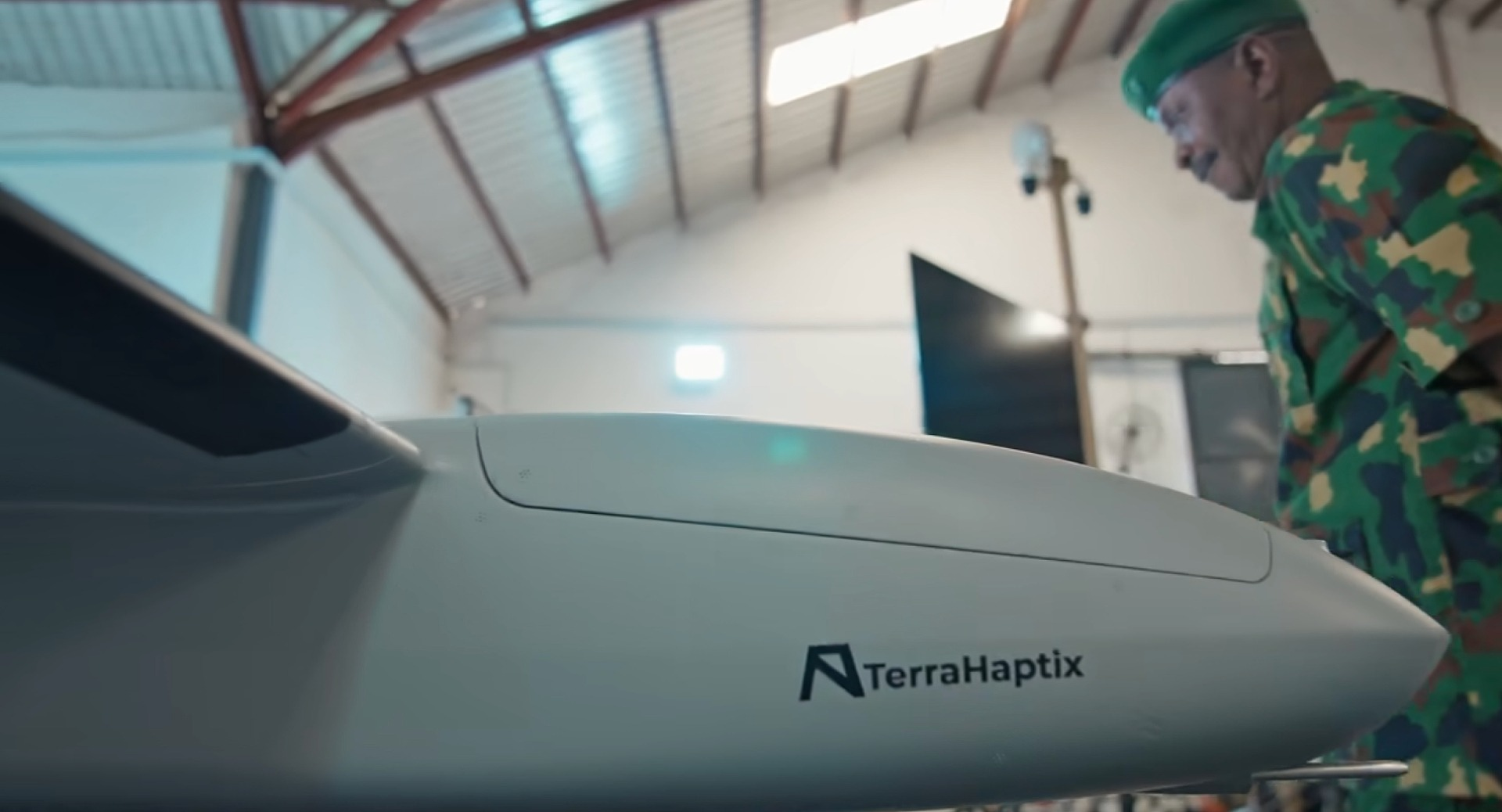
Terra Drone
While foreign investment has been beneficial, helping companies expand, create jobs, and reach global markets, there’s a risk to consider. If Nigeria’s tech future relies predominantly on outside funding, it could lead to unbalanced growth across sectors, with some companies overshadowing others due to their investors’ preferences.
Also read: Terra raises $22m with strong backing from Flutterwave’s Gbenga Agboola, Lux Capital
The ideal scenario is one where innovative companies like Flutterwave or Terra can access international funding when needed but can also turn to strong local investors. Currently, foreign capital plays a significant role in Nigeria’s tech scene, and it’s essential not just to focus on the amount of money raised but also to understand the nature of the investors and the impact they may have on the business.