Stadium naming rights sound like pure vanity until you do the math on attention, recruiting, and local economics. With Galaxy putting its name on Texas Tech’s football stadium, there’s a real
Stadium naming rights sound like pure vanity until you do the math on attention, recruiting, and local economics. With Galaxy putting its name on Texas Tech’s football stadium, there’s a real question here: is this a splashy logo play or a strategic bet tied to West Texas infrastructure and AI compute demand?
If you work in crypto, data centers, or sports marketing, you’re probably trying to figure out what this means for budgets, brand safety, and return on spend. This piece breaks down the mechanics, the upside, and the traps so you can make a clear call on whether deals like this move the needle.
Short version: the price tag matters, but the real value shows up in execution and the local footprint Galaxy is building next door.
Aspect What to Know Deal Basics Texas Tech Athletics announced a 15-year naming-rights partnership to rebrand the Red Raiders’ home as Galaxy Stadium starting in the 2026 season (Texas Tech Athletics (press release)). Reported Value Sports Business Journal pegged the deal at roughly $75 million over 15 years (Sports Business Journal). Go-Live Date First game under the Galaxy Stadium name is slated for September 5, 2026, Texas Tech’s home opener vs. Abilene Christian (Texas Tech Athletics (press release)). Why Texas Galaxy’s Helios campus in West Texas carries about 1.6 GW of approved power capacity, tying the brand to the region’s energy and compute buildout (Galaxy (newsroom)). AI/Compute Angle Phase I at Helios delivered roughly 133 MW of IT load under a 15-year lease to CoreWeave on July 6, 2026 (Galaxy (press release)). Strategic Thesis Local community integration, recruiting pipeline access, and year-round earned media tied to a Power Five program can compound brand value if activations are tight. Key Risks Execution risk, shifting sports media rights, regulatory scrutiny on crypto, and the difficulty of proving ROI beyond vanity metrics.
What a naming-rights deal actually buys you
A stadium name gives you repetition. TV mentions, radio hits, on-campus signage, corporate hospitality, and the chance to build muscle-memory with a local and national audience. But the name is just the headline. The body is all the activation inventory you negotiate around it.
For a company like Galaxy, which builds and finances crypto and data-center infrastructure, the Texas Tech partnership lives beyond football Saturdays. It’s a recruiting story. It’s local economic signaling around power and jobs. And it’s a way to normalize a crypto-adjacent brand in a conservative budget environment.
The other key piece is time. Fifteen years is long enough to ride a few market cycles, multiple coaching staffs, and a handful of TV partners. That lets you amortize the cost and run compounding campaigns instead of hopping around every two seasons.
Quick glossary
- Naming rights: A long-term license to put your brand on a venue, paired with a package of media and on-site assets.
- Activation: The on-the-ground marketing you run to make the name work, from student promos to local hiring events.
- Makegoods: Compensation if promised exposures or assets fall short, usually extra media or signage.
- Earned media: Unpaid coverage and mentions your deal generates in news and social, often dwarfing paid spots early on.
- MW/GW capacity: Power available to a data center. Helios cites 1.6 GW approved power capacity in West Texas (Galaxy (newsroom)).
- KPI stack: The small group of metrics that actually tie exposure to business results, like campus hires, B2B leads, and site conversions.
Step-by-Step Playbook: how to evaluate a crypto-to-sports naming deal
- Confirm the hard terms: Lock in length, valuation, rights included, and makegoods. Public signals point to 15 years and roughly $75 million here; treat that as a frame, not gospel.
- Map deal assets to objectives: Decide if you want local hires, enterprise leads, or consumer trust. Each requires a different activation plan and budget.
- Pressure-test local fit: If you’re building in West Texas, the Texas Tech tie-in has logic. If you aren’t in-market, be honest about how many flights and dollars it takes to make this live.
- Design a 12-month activation calendar: Plan beyond game days. Think career fairs, data-center tours, STEM scholarships, and coach radio hits where your brand voice shows up.
- Set a KPI ladder: Top-funnel impressions, mid-funnel engagements, bottom-funnel hires or deals. Track each explicitly with unique URLs, QR codes, and surveys.
- Stage a governance review: Legal and compliance should pre-clear creative, NIL overlaps, and any crypto product references to avoid regulator heat.
- Budget for production, not just rights: A healthy rule of thumb is to set aside significant activation spend so the name doesn’t sit idle. Underfunded deals underperform.
- Build in a mid-season audit: If the first three home games don’t move the KPIs, shift inventory, boost content, or renegotiate makegoods early.
College or pro: which stadium deal fits a crypto infrastructure brand?
College football is culture-heavy and regionally sticky. Pro teams bring national reach and tighter control over the building. For Galaxy, Texas Tech lines up with where the company is planting real infrastructure. That proximity can be more valuable than an extra national TV mention if you convert it into hiring and community ties.
Dimension College Stadium (e.g., Texas Tech) Pro Stadium Audience Regional passion, alumni loyalty, strong student pipeline Broader national footprint, corporate hospitality heavy Cost Profile Often lower headline cost, flexible community activations Higher cost, stricter brand guidelines, premium suites Control Over Assets Negotiable with athletics and campus partners Highly structured with league approvals Local Economic Tie-in Stronger if your facilities or hires are nearby Less local unless your HQ or core ops are in-market Media Cadence Seasonal spikes, heavy regional media More consistent national coverage
The right call depends on how much your business benefits from being locally present versus nationally loud. For a data-center builder, the region often wins.
The Helios angle: power, AI demand, and why Lubbock matters
This deal isn’t just a logo on a scoreboard. It’s a billboard for a power story. Galaxy has been pointing to its Helios campus in West Texas with roughly 1.6 GW of approved power capacity, which is massive by industry standards for a single campus (Galaxy (newsroom)).
On July 6, 2026, the company said Phase I delivered about 133 MW of IT load to CoreWeave under a 15-year lease, matching the long-term vibe of the stadium deal (Galaxy (press release)). If you’re connecting dots, the pattern looks like this: lock power, land AI demand, then normalize the brand locally with a durable sports partnership.
Texas Tech, for its part, announced the Galaxy Stadium naming on July 17, 2026, with the first Galaxy-branded game set for September 5, 2026 (Texas Tech Athletics (press release)). That gives both sides a clean runway to plan in-market activations, from hiring fairs to on-field moments.
Pro tip: the naming headline fades fast. The activations you ship in the first 100 days decide whether the deal becomes muscle memory or a punchline.
The overlap in timelines matters. Fifteen years on the stadium and fifteen years on the compute lease set expectations for long-term presence. That steadiness plays well with local officials and campus partners who have seen sponsors churn.
Brand safety, measurement, and what actually moves the needle
Everyone wants the simple answer: will this raise Galaxy’s profile and lower its customer acquisition costs? Maybe. The levers that usually work are pretty consistent, though:
- Make the brand useful on campus. Career pipelines, scholarships, and open houses convert far better than sideline logos.
- Tell a clean power story. West Texas energy plus AI demand is tangible. Show every hiring class and every megawatt milestone with local context.
- Share your dashboard. If you can’t show hires, vendor sign-ups, or B2B leads tied back to the stadium touchpoints, the spend looks like vanity.
- Be conservative with crypto product messaging. The stadium is not the place to push high-risk financial offers.
For investors, watch two things over the next year: 1) the cadence of Helios buildouts and new leases, and 2) the volume and quality of local activations Galaxy runs around Tech. If those trend up together, the naming fee starts to look like part of a coherent go-to-market, not a PR stunt.
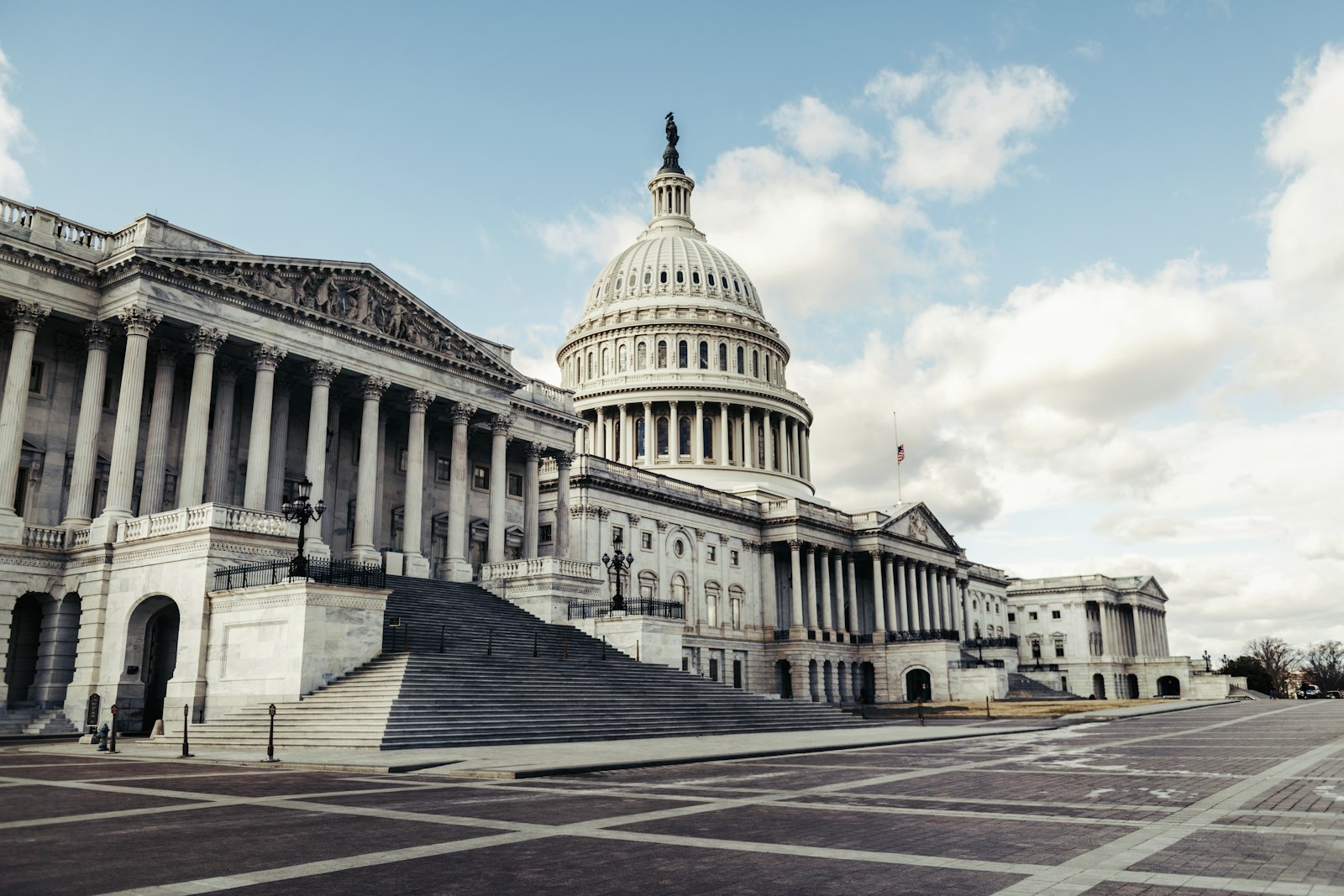
Official announcement graphic showing the Galaxy and Texas Tech logos — visual preview of the new ‘Galaxy Stadium’ branding and the partnership. — Source: Galaxy (newsroom)
Pitfalls & Red Flags
- Underfunded activation: Paying for the sign without staffing the year-round program is the fastest path to wasted spend.
- Vague KPIs: If you can’t list the three numbers that prove progress, you’re not set up to win.
- Regulatory crosswinds: Crypto brand guidelines can change quickly. Keep legal tight on creative, especially around promos and disclosures.
- Overpromised impressions: Media shifts, kickoff times, and streaming blackouts can dent exposure. Negotiate makegoods.
- Misaligned message: If your core narrative is AI compute and jobs, don’t lead with exotic DeFi terms or price talk.
- Leadership turnover: Coaching changes or AD shifts can disrupt on-campus momentum. Keep multi-year activation plans sponsor-led.
If you want ongoing coverage of the crypto-infrastructure crossover with sports and AI, we track it closely at Crypto Daily.
Frequently Asked Questions
The public materials refer to the brand as Galaxy. It’s the same company widely known in markets as Galaxy Digital, which operates across trading, asset management, mining, and infrastructure. The stadium will carry the Galaxy Stadium name per Texas Tech’s announcement.
How much is the Texas Tech deal worth and how long does it run?
Sports Business Journal reported a valuation of approximately $75 million for a 15-year term. Texas Tech confirmed the 15-year duration in its announcement. Final commercial terms beyond those public signals were not disclosed.
When does Galaxy Stadium debut?
Texas Tech said the first game under the new Galaxy Stadium name is scheduled for September 5, 2026, the Red Raiders’ home opener against Abilene Christian.
Why pick Texas Tech instead of an NFL franchise?
For a company building a 1.6 GW-approved power campus in West Texas, a college partner in the same region helps with hiring, community ties, and local legitimacy. Pro teams offer broader reach, but the regional fit here is strategic.
Is Galaxy paying in cash or crypto?
Payment mechanics were not disclosed. Naming-rights deals at this scale are typically structured in conventional cash terms paid over multiple years, but specifics here were not made public.
What’s the connection to AI and data centers?
Galaxy’s Helios campus delivered roughly 133 MW of IT load under a long-term lease to CoreWeave. The stadium deal sits alongside that buildout, signaling a durable presence in West Texas tied to AI compute demand.
Could this move crypto markets?
Not directly. Stadium deals don’t change token economics. The signal to watch is whether infrastructure revenue and leases ramp alongside brand lift. If they do, public market sentiment toward crypto infrastructure names could improve.
Disclaimer: This article is provided for informational purposes only. It is not offered or intended to be used as legal, tax, investment, financial, or other advice.