Gold surged above $4,300 per ounce on Aug. 5, gaining about 4% as renewed Chinese demand and easing inflation concerns pushed the precious metal to its highest level since June. Chinese gold-
Gold surged above $4,300 per ounce on Aug. 5, gaining about 4% as renewed Chinese demand and easing inflation concerns pushed the precious metal to its highest level since June.
Chinese gold-backed exchange-traded funds recorded 14 consecutive days of inflows through Aug. 3, their longest streak since March.
The buying helped stabilize bullion after its sharp second-quarter correction while also reinforcing China’s role as the world’s largest gold market.
Related: SpaceX's Bitcoin holding loses $540 million in six months
Official-sector demand has also remained strong. The People’s Bank of China added 33 tonnes of gold during the second quarter, its largest quarterly purchase since late 2023, while global central banks bought a net 288.9 tonnes, according to World Gold Council data published on July 30.
The rally followed signs of progress in talks between the United States and Iran.
Expectations of reduced Middle East tensions pressured oil prices, easing fears that higher energy costs could reignite inflation and force the Federal Reserve to maintain restrictive interest rates.
Most Popular on TheStreet Roundtable:
Lower Treasury yields also supported gold, which does not pay interest and generally becomes more attractive when bond yields decline.
Crypto markets stabilize after difficult Q2
Crypto markets were comparatively subdued on Aug. 5, with Bitcoin and major altcoins posting modest gains after a difficult second quarter.
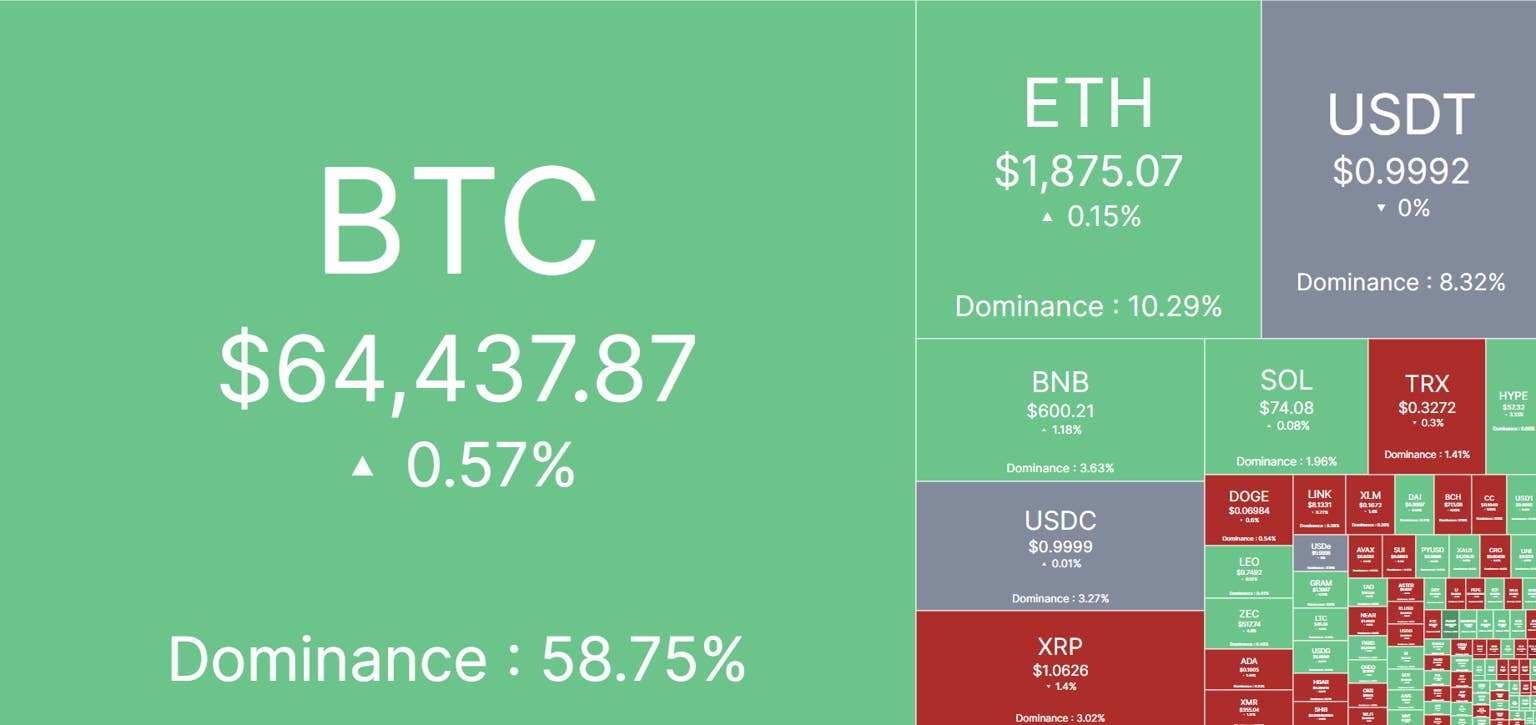
Crypto market heatmap at press time:
coinmarketcapBitcoin fell roughly 14% during Q2 and briefly traded below $60,000, while US spot Bitcoin ETFs recorded nearly $5 billion in withdrawals.
Early-August flows have since turned more constructive, suggesting some investors are returning after the quarter’s risk-off rotation.
The downturn also weighed heavily on publicly traded crypto companies. Strategy recorded an $8.33 billion second-quarter operating loss, driven almost entirely by an unrealized decline in the value of its Bitcoin holdings.
Coinbase reported a $359 million net loss as quarterly revenue fell 14%, while Galaxy Digital posted an $85 million loss after lower digital asset prices offset early contributions from its artificial intelligence data center business.
The mixed picture suggests investors are becoming more selective.
Gold is benefiting from central-bank demand and lower-rate expectations, while crypto is attempting to stabilize after weak prices, softer trading activity and significant corporate losses.
At the time of writing, Bitcoin traded at $64,438, up 0.57% over 24 hours. Ethereum changed hands at $1,875, up 0.15%, while Solana traded at $74.08, gaining 0.08%.
Related: Bitcoin party is over, much bigger selloff coming, says Peter Schiff