Prediction markets have emerged as a booming market as platforms like Polymarket and Kalshi are become increasing popular among traders. The crypto-based prediction market, Polymarket, holds
Prediction markets have emerged as a booming market as platforms like Polymarket and Kalshi are become increasing popular among traders.
The crypto-based prediction market, Polymarket, holds the top position in the industry.
It integrates crypto payments into its ecosystem by letting users pay with Circle's USDC stablecoin to predict events like future Bitcoin (BTC) prices, corporate decisions, basketball match outcomes, election results, etc.
Traders can deposit cryptocurrency through the Polygon blockchain network and trade shares that represent the likelihood of specific future outcomes.
In March 2026, Polymarket acquired Brahma, a crypto and decentralized finance (DeFi) infrastructure startup, to simplify its blockchain infrastructure for users.
Polymarket has been using blockchain rails since its inception and the Brahma acquisition signaled a doubling down on its crypto roots.
Related: Billionaire trader says prediction markets 'harm young men'
As per Pew Research Center, combined monthly global trading volume on Polymarket and Kalshi rose from less than $5 billion in September 2025 to about $24 billion in April 2026.
Sports, politics, and cryptocurrency have accounted for 90% of the volume on these platforms for two years now.
In fact, Benstein estimated that prediction market volumes will grow to around $1 trillion by 2030.
Trending on TheStreet Roundtable
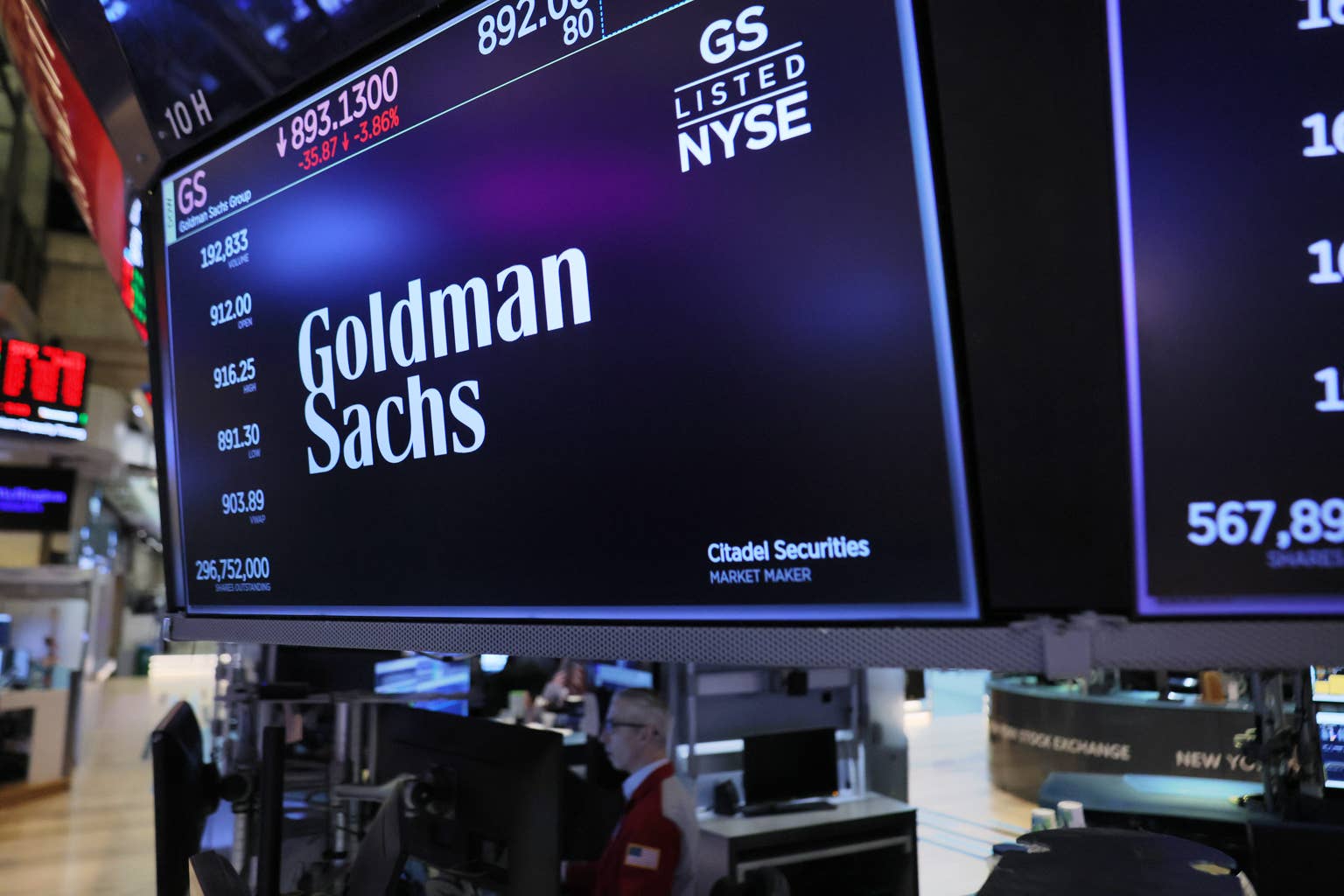
Goldman Sachs reportedly bans employees from trading specific prediction contracts
But instances of insider trading have also plagued the prediction markets.
As reported earlier, a Google employee was recently charged with using insider information to buy several Google-related contracts on Polymarket and profiting nearly $1.2 million.
But Goldman Sachs (NYSE: GS) is taking action to control such behavior, CNBC reported on July 10.
As per the report, Goldman Sachs has not only banned its employees from trading contracts related to events specific to the investment bank but also those related to elections, financial markets, macroeconomic data, and geopolitics.
When TheStreet Roundtable reached out to Goldman Sachs for a confirmation of the CNBC report, the bank's representative declined to comment.
“Financial institutions, they have huge compliance departments,” Lara Shortz, a partner at Michelman & Robinson in its labor and employment practice, told the publication. “They spend a lot of time putting together policies related to trading and the use of information.”
CNBC said it got in touch with 50 companies, which have contracts regarding details about their businesses on prediction market platforms, and only three revealed they have policies related to trading on prediction markets, while another two said they were actively reviewing it.
Related: Michael Saylor's shocking Bitcoin sale triggers a lawsuit against Polymarket