Gravity Bridge, a cross-chain bridge connecting Ethereum and the Cosmos ecosystem, has reportedly been drained of $5.4 million in what researchers suspect was a key compromise, prompting the
Gravity Bridge, a cross-chain bridge connecting Ethereum and the Cosmos ecosystem, has reportedly been drained of $5.4 million in what researchers suspect was a key compromise, prompting the bridge to halt operations.
What to Know About the Reported Gravity Bridge Drain
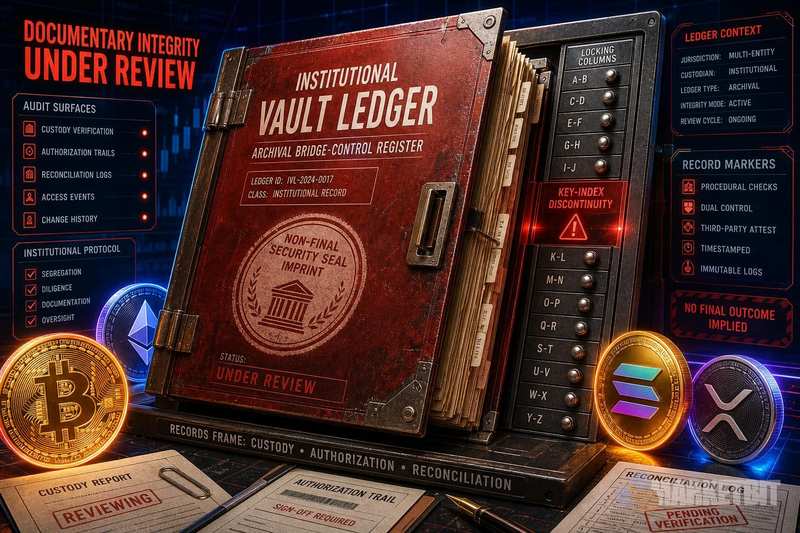
Security researchers flagged the incident after observing unauthorized outflows from the bridge's contracts. The Block reported that approximately $5.4 million was drained in what appears to be a suspected key compromise rather than a smart contract exploit.
Following the drain, Gravity Bridge was halted to prevent further losses. The bridge team acknowledged the situation on X, though the root cause has not been officially confirmed.
What to Know
- Event: Gravity Bridge reportedly drained of $5.4 million
- Suspected cause: Key compromise, not a smart contract exploit (unconfirmed)
- Status: Bridge operations halted pending investigation
Why a Suspected Key Compromise Matters for Cross-Chain Bridges
The distinction between a key compromise and a code exploit is significant. A key compromise means an attacker obtained the private keys controlling bridge funds, bypassing smart contract logic entirely. This targets operational security, specifically how signing keys are stored, rotated, and protected.
Cross-chain bridges hold pooled assets on one chain while issuing wrapped representations on another. The security of those pooled funds often depends on a set of validator or signer keys that authorize transfers. If enough keys are compromised, an attacker can drain funds without exploiting any code vulnerability.
For Gravity Bridge, the protocol connects Ethereum-based assets to the Cosmos ecosystem. A compromise at this layer affects users who deposited tokens expecting the bridge to secure them on both sides. The incident underscores that trust in bridge infrastructure depends as much on custody and key management as on audited code, a lesson the crypto industry has seen reinforced through evolving infrastructure standards across multiple ecosystems.
What the Incident Could Mean for Gravity Bridge Users and the Cosmos Ecosystem
Users who had funds on Gravity Bridge should monitor official channels for updates on the scope of the loss, whether any recovery is possible, and what mitigation steps the team is taking. The bridge remains halted as of this writing.
A multi-million-dollar drain from a Cosmos-based bridge raises broader questions about confidence in cross-chain infrastructure within the ecosystem. Bridge exploits have historically been among the largest sources of losses in decentralized finance. As projects across crypto explore new utility opportunities and cross-chain functionality, key management remains a persistent vulnerability.
Whether the suspected key compromise is confirmed will shape the response. Independent security auditors and the Gravity Bridge team's follow-up disclosures will be critical. Meanwhile, metrics like token activity and network health across interconnected ecosystems may reflect any shifts in user confidence as the investigation unfolds.
Disclaimer: This article is for informational purposes only and does not constitute financial or investment advice. Cryptocurrency and digital asset markets carry significant risk. Always do your own research before making decisions.
Read original article on marketbit.net