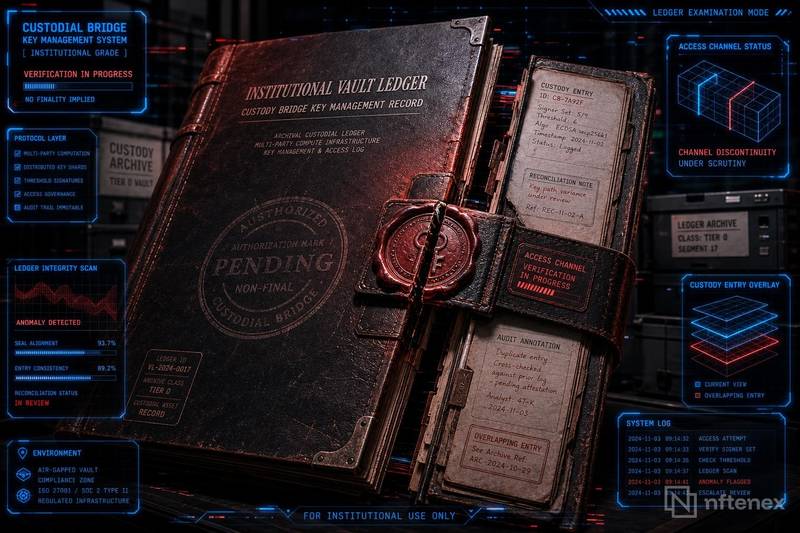
Gravity Bridge, a cross-chain bridge connecting Ethereum and the Cosmos ecosystem, has reportedly been drained of $5.4 million in what investigators suspect was a key compromise. The bridge h
Gravity Bridge, a cross-chain bridge connecting Ethereum and the Cosmos ecosystem, has reportedly been drained of $5.4 million in what investigators suspect was a key compromise. The bridge has been halted as the incident is assessed, though an official root-cause analysis has not yet been published.
What happened in the reported Gravity Bridge drain
Reported loss size
Multiple reports indicate that approximately $5.4 million was removed from Gravity Bridge in a single incident. The bridge was halted after the drain was detected, severing its link between Ethereum and Cosmos-based chains.
On-chain activity tied to the incident can be traced through an Ethereum address associated with the suspected exploit. The full scope of what was taken and how funds moved remains under review.
TLDR: KEY POINTS
- Gravity Bridge was reportedly drained of $5.4 million and subsequently halted.
- The suspected cause is a key compromise, though this has not been officially confirmed.
- No public postmortem has been released at the time of writing.
What is confirmed so far
The bridge halt itself is confirmed. The $5.4 million figure and the key-compromise theory are based on early reporting and on-chain observation, not an official disclosure from the Gravity Bridge team. Readers should treat the suspected cause as preliminary until a formal postmortem is published.
This incident adds to a growing pattern of bridge exploits in the broader crypto space. The FBI's recent efforts to crack down on large-scale crypto theft underscore how seriously authorities are treating these attacks, though no law enforcement involvement has been reported in this case.
Why a suspected key compromise matters for bridge security
How bridge keys are typically used
Cross-chain bridges rely on private keys held by validators or multisignature signers to authorize the movement of locked assets between chains. If an attacker gains control of enough signing keys, they can authorize withdrawals without legitimate user requests.
This makes key compromise one of the most damaging attack vectors in bridge security. Unlike a smart-contract bug that might be limited in scope, compromised keys can give an attacker full control over bridged funds in a single transaction.
Why attackers target credential control points
Bridges hold concentrated pools of locked assets, making them high-value targets. A single key compromise can bypass all on-chain logic and smart-contract safeguards, which is why the Gravity Bridge halt was enacted quickly after the drain was detected.
However, it is important to note that the key-compromise explanation remains a suspicion. Alternative explanations, such as a smart-contract vulnerability or an insider action, have not been ruled out. Only a thorough investigation will confirm the actual attack vector.
What users and the market will watch next
Users who had funds on Gravity Bridge should monitor official channels for updates on whether assets can be recovered or if the bridge will resume operations. With the bridge halted, no new transfers can be initiated.
The broader impact on cross-chain infrastructure confidence will depend on how the team responds. Transparent communication and a detailed postmortem will be critical in determining whether users and liquidity providers return to the protocol.
Signals that will confirm or revise the initial narrative
Key developments to watch include an official incident report from the Gravity Bridge team, any on-chain movement of the drained funds, and whether the suspected attacker's wallets are flagged or frozen by exchanges.
If the root cause is confirmed as a key compromise, it will likely prompt renewed scrutiny of validator security practices across other Cosmos ecosystem bridges. If the cause turns out to be something else entirely, the security lessons will shift accordingly.
Disclaimer: This article is for informational purposes only and does not constitute financial or investment advice. Cryptocurrency and digital asset markets carry significant risk. Always do your own research before making decisions.
Read original article on nftenex.com