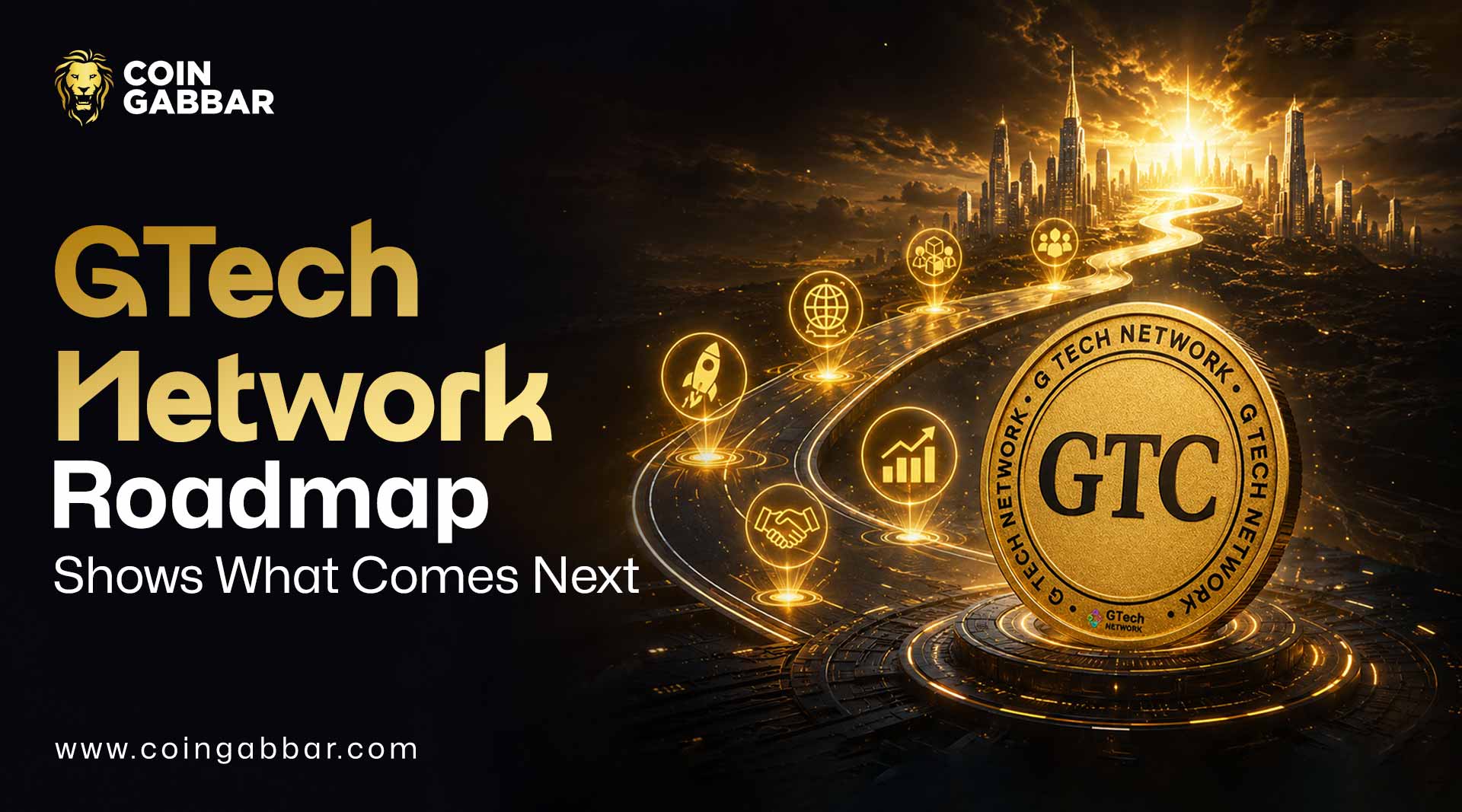
GTech Network Roadmap: All 8 Phases Explained Clearly What separates a crypto project with real plans from one that just talks big? A structured, public, phase-by-phase roadmap — and the abil
GTech Network Roadmap: All 8 Phases Explained Clearly
What separates a crypto project with real plans from one that just talks big? A structured, public, phase-by-phase roadmap — and the ability to actually execute it.
The GTech Network roadmap does exactly that. Spread across eight clearly defined phases, it covers everything from the early mining app launch all the way to AI-driven blockchain analytics and DAO integration. With the Token Generation Event (TGE) already live since March 23, 2026, and the presale closing on May 30, 2026, the project is no longer in the planning stage. It is mid-execution.
This blog walks through every phase of the GTech Network roadmap, explains what each one means in plain terms, and tells you what is already live versus what is still ahead.
Phase 1 and 2: Research, Mining and Community Launch
Every serious project starts before the public sees it. Phase 1 of the GTech Network roadmap focused on research and development—laying the technical foundation for the GTC token, the mobile mining app, and the overall ecosystem architecture.
Phase 2 brought the GTech Mining app to users. GTech Network is built around cloud mining and a mobile app that users install to earn and manage tokens. The app uses low mining difficulty, which means anyone with a smartphone can participate without needing expensive hardware or high electricity costs. This phase also kicked off community engagement campaigns across social media, giving early adopters a way to earn GTC daily simply by using the app.
This early phase established the user base that would later move into the presale and TGE stages — a real community built before the token had any exchange value.
GTech Network Roadmap Phase 3 and 4: Presale and TGE
Phase 3 is where the GTech Network roadmap became financially significant for early supporters.
The presale gave early supporters the opportunity to join the project at an exclusive discounted price, with zero gas/transaction fees and no vesting period. All GTC tokens purchased during presale are fully unlocked at 100% and can be withdrawn immediately. The presale price sat at $0.002, with the project targeting a listing price of $0.05—a stated 25x gap from entry to exchange debut.
Phase 4, the Token Generation Event, is where the GTech Network shifted into a new gear. The TGE started officially on March 23, 2026. At this stage, regular miners can withdraw 40% of their GTC tokens immediately by paying a $4 gas fee in BNB, while the remaining 60% is subject to a 10-month vesting schedule.
The TGE represents the moment tokens are created on-chain on Binance Smart Chain, making them transferable to wallets like MetaMask or Trust Wallet. This is not just a technical event—it is the point where mined tokens become real, blockchain-based assets that holders can control.
GTech Network already burned 9 billion tokens across three verified burn events, slashing total supply from 10 billion down to 1 billion. Every burn transaction hash is publicly visible on BscScan. That kind of on-chain, verifiable supply reduction is a meaningful step in the GTech Network roadmap that most projects only promise.
Phase 5 and 6: Exchange Listings and Project Launch
Phase 5 of the GTech Network roadmap moves into the territory every token holder is watching closely: exchange listings.
The GTech Network suggests the exchange listing will happen in 2026, most likely in Q3. The team is already in discussions with platforms like BingX and LBank for the public debut. Phase 5 also includes expanded marketing through PR campaigns and the introduction of staking and rewards programs for early adopters.
Phase 6 is where the GTech Network gets ambitious. This phase covers the launch of Play-to-Earn games, where players earn GTC tokens through gameplay. It also introduces the Web3 Real Estate Investment Platform—one of the more distinctive utility layers in the GTech ecosystem. This platform aims to give users access to both commercial and residential property investment opportunities worldwide, with crypto-to-local-currency financial solutions built in.
The roadmap also points to a GTC Store and a crypto card that give the token real-world use cases beyond trading. These are not vague future promises—the store is already live according to project materials.
GTech Network Roadmap Phase 7 and 8: Future Growth
The final two phases of the GTech Network roadmap shift focus from launch mechanics to long-term ecosystem building.
Phase 8 is the long-term vision: AI-driven blockchain analytics, interoperability with other networks, governance enhancements, and DAO integration. This phase positions GTech not just as a token project but as a self-governing, cross-chain infrastructure play.
Expert Analysis: What the GTech Roadmap Signals
The GTech Network roadmap is structured logically—it builds from community and mining, through token creation and exchange access, toward real-world utility and decentralized governance. That is the correct sequence for a sustainable token ecosystem.
What stands out is verifiability. The three burn events on BscScan, the live TGE since March 23, the presale at $0.002 with a May 30 close, and the named exchange partners (BingX, LBank) are all checkable facts—not claims hidden inside a whitepaper.
The 10-month vesting schedule for 60% of mined tokens is worth noting. It acts as a gradual supply release mechanism, which could reduce extreme early sell pressure. However, presale holders receive 100% of tokens with no lock-up, meaning Day 1 liquidity dynamics will depend heavily on that cohort's behavior.
The play-to-earn integration and Web3 real estate platform in Phase 6 are the two most differentiated elements in the GTech Network roadmap. If executed, they give GTC a utility layer that extends well beyond typical mining token projects.
Conclusion
The GTech Network roadmap is not a vague promise — it is an eight-phase execution plan with verifiable on-chain milestones already behind it. From the mobile mining app in Phase 2 to AI-driven DAO governance in Phase 8, each step builds on the last. With the TGE live, burns confirmed on-chain, and exchange listings approaching in Q3 2026, the roadmap has moved from paper to blockchain. The story is not finished, but it has clearly started.
YMYL Disclaimer: This article is written for informational purposes only. All data, phase descriptions, dates, and price figures are sourced from GTech Network's official website, verified on-chain records on BSCScan, and publicly available reporting. Nothing in this article constitutes financial or investment advice.