A token presale launch runs on a simple rhythm: fixed price stages, a published schedule, and one go-live moment when the earliest buyers step in. This week that rhythm plays out for real, be
A token presale launch runs on a simple rhythm: fixed price stages, a published schedule, and one go-live moment when the earliest buyers step in.
This week that rhythm plays out for real, because Bullski ($BULLSKI) opens stage one of its 16-stage presale at 5pm UTC on Friday, July 10. This guide explains how a presale is structured, how the timing unfolds from countdown to go-live, and what to have ready.
Keep the countdown on Bullski’s home page open while you read.
How a Token Presale Is Structured
Definition: A token presale is a project’s direct sale of its token at fixed, staged prices before any exchange listing.
The structure is nearly always a ladder. The sale is split into numbered stages, each carrying a fixed price and a set allocation of tokens. Stage one holds the lowest price of the entire sale.
When its allocation sells through, stage two opens a notch higher, and the climb repeats until the final stage sits just under the planned listing level.
That ladder logic serves both sides. The project raises funds in predictable steps and builds a holder base before any exchange is involved. Buyers get a transparent rule in return: the earlier you enter, the less you pay, and nobody has to guess where the price goes next because the whole staircase is published up front.
The Timing: From Countdown to Go-Live
Most presales move through the same four beats. First comes the announcement, when the project publishes its date, terms and stage pricing. Next, a reservation window opens, usually a free priority list that holds your place before anything is on sale.
At the published hour, stage one goes live and the earliest arrivals buy first. From there, later stages open one by one as each allocation fills.
Phase
What happens
Buyer’s role
Announcement
Date, terms and stage prices go public
Read the terms and mark the date
Reservation window
A free list holds places before the sale opens
Claim a spot and prepare a wallet
Stage one go-live
The sale opens at its lowest fixed price
Enter early, before the first step up
Later stages
Each stage opens higher as the last one fills
Track the live stage before adding more
Exchange listing
The token reaches the open market
Hold, stake or trade the position
The beat most first-timers miss is the reservation step. By the time a launch is trending, stage one is already crowded, so whether you buy at the opening price or a later one usually comes down to what you did before go-live day.
The Live Case: Bullski’s Friday Go-Live
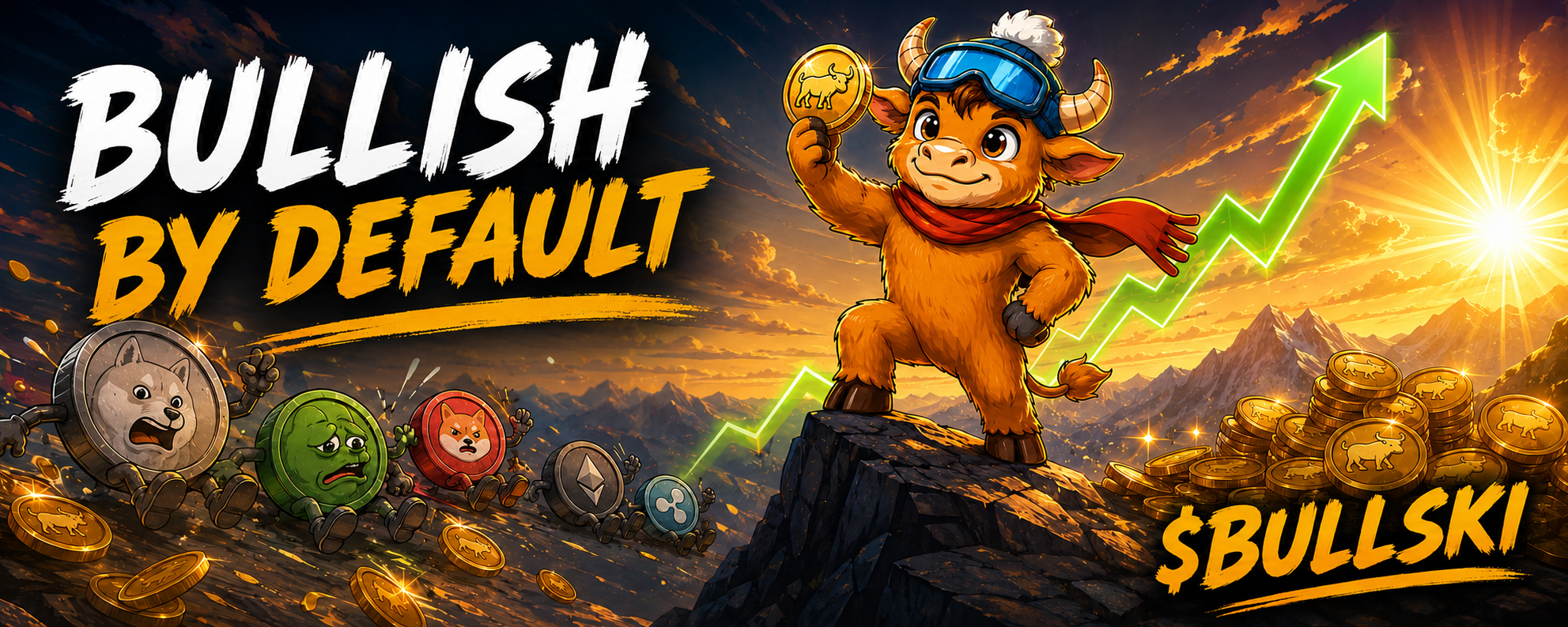
Now lay that template over a real launch. Bullski’s reservation phase is open today, and go-live lands this Friday, when stage one begins the climb through 16 stages toward the $0.0025 listing reference, with each stage priced a notch above the one before it.
Underneath the ladder, the token itself is built to be checked. $BULLSKI is an ERC-20 token on Ethereum, and the protections buyers should look for are already in place:
A supply fixed at 120 billion tokens, with the contract verified on Etherscan.
An audit in process, plus liquidity that locks at launch.
Staking and referral rewards that switch on from stage one, so early tokens work immediately.
Everything on that list holds steady from stage one to listing. The only variable that moves through the sale is the entry price, and by design it only steps up.
Watch out: go-live hours attract cloned sites dressed up as the real presale page. Use only the official links you saved in advance, and never share a seed phrase with anyone, for any reason.
From Theory to Stage One: Your Go-Live Plan
If you read this far to understand the mechanics, you are already ahead of most of the crowd that will discover this presale on Friday night. Turning knowledge into position takes two steps. Set up an Ethereum wallet and fund it with ETH or USDT before the weekend.
Then hold your place on the list while it is still open, because priority members enter stage one first, buy at the lowest rung of the ladder, and can stake immediately. After that, the launch simply does what this article said it would.
$250 USDT Giveaway: Launch week comes with a side prize. Bullski’s Bullish by Default draw pays $250 USDT to one winner, picked at random, with no purchase needed. To enter, join the Bullski $250 draw through the official Telegram and X pages, and bring a friend for extra entries. Winners are announced only on official channels, and the team never asks for wallet keys.
Token Presale FAQ
How does a token presale work?
A project sells its token directly to early buyers at fixed prices before any exchange listing, usually across staged rounds that each cost a little more than the last. Buyers pay with crypto such as ETH or USDT, receive their allocation, and the sale builds toward a public listing.
What are presale stages?
Stages are the fixed price steps a sale is divided into. Each has its own price and allocation, and when one sells out the next opens higher. Bullski runs 16 of them toward a $0.0025 listing reference, which makes the earliest stage the cheapest entry the sale will offer.
When does the Bullski presale go live?
Stage one opens at 5pm UTC on Friday, July 10, 2026. The free priority list is open now and holds your place until then, which matters because stage one carries the lowest price on the whole ladder. Do your own research before taking part.
What should I do before a go-live?
Handle everything that takes time in advance. Install and back up an Ethereum wallet, load it with ETH or USDT plus a little spare ETH for gas, save the official links, and join the early list if one exists. At the published hour you want to be confirming a purchase, not reading instructions.
Website: Visit the official Bullski website at bullski.io
Telegram: Join the Bullski Telegram channel at t.me/BullskiCoinOfficial
X (Twitter): Follow Bullski on X at x.com/bullskicoin
The post How a Token Presale Launch Works: Stages, Timing and Bullski’s Friday Go-Live appeared first on Blockonomi.