The crypto world woke up this week to a reminder that has become almost routine at this point: nobody is fully safe, not the everyday holder, not the whale with millions locked away, and not
The crypto world woke up this week to a reminder that has become almost routine at this point: nobody is fully safe, not the everyday holder, not the whale with millions locked away, and not the developers writing the code everyone else relies on. Within a single 24-hour stretch, three separate crypto attacks unfolded across very different corners of the industry, and together they paint a picture of just how creative bad actors have gotten.
One targeted regular users through fake applications. Another drained a Solana wallet of 180,900 SOL, worth roughly 14.2 million dollars. The third quietly slipped malicious code into a widely used software package, catching developers off guard before they even knew something was wrong.
Fake Apps Try to Pass Off as SecondFi
The first of these crypto attacks came from a familiar playbook dressed up in new clothing. Scammers built counterfeit browser extensions and apps designed to mimic SecondFi almost perfectly, hoping unsuspecting users would install them and hand over wallet access without a second thought. The platform moved quickly to shut down the confusion, stating plainly that there was no new app, no new link, nothing had changed on its end.
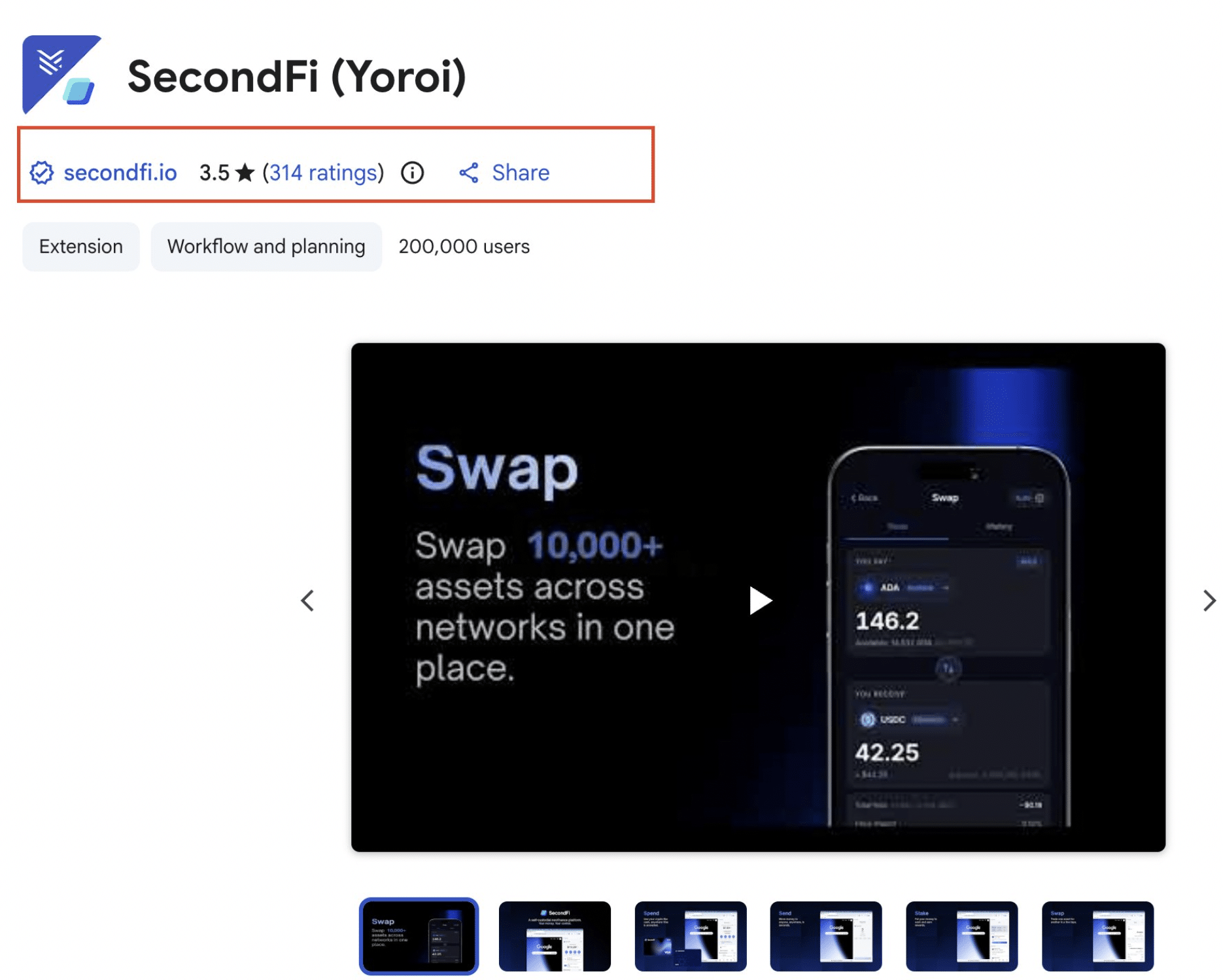
It reminded users that legitimate teams do not ask people to download unfamiliar software, click on unsolicited links, sign random transactions, or move assets based on a private message or email. The advice was simple but worth repeating: only trust the verified extension, and always double check before connecting a wallet to anything new.
A $14.2 Million SOL Theft Raises Fresh Alarms
Of the three crypto attacks, this one carried the heaviest price tag. An early Solana wallet, the kind that had been quietly staking for years, suddenly showed strange unstaking activity. That was the first red flag. From there, the attacker moved fast, funneling the stolen 180,900 SOL into freshly created addresses before consolidating and swapping the funds.
What made this particular breach harder to untangle was the next move: bridging the stolen coins over to Ethereum, a step that not only muddies the trail but also opens up access to deeper liquidity pools. Investigators tracking the funds noted that a portion had already passed through a well known mixing service, a method long associated with erasing the digital fingerprints that usually help trace stolen crypto back to its source.
Developers Caught in a Supply Chain Breach
The third incident hit a different target altogether, and arguably a more dangerous one. A popular JavaScript obfuscation package used by developers worldwide became the vehicle for a supply chain attack after someone got hold of the credentials needed to publish new releases. Several versions shipped with an infostealer payload hidden inside, quietly siphoning sensitive data from any system that installed them.
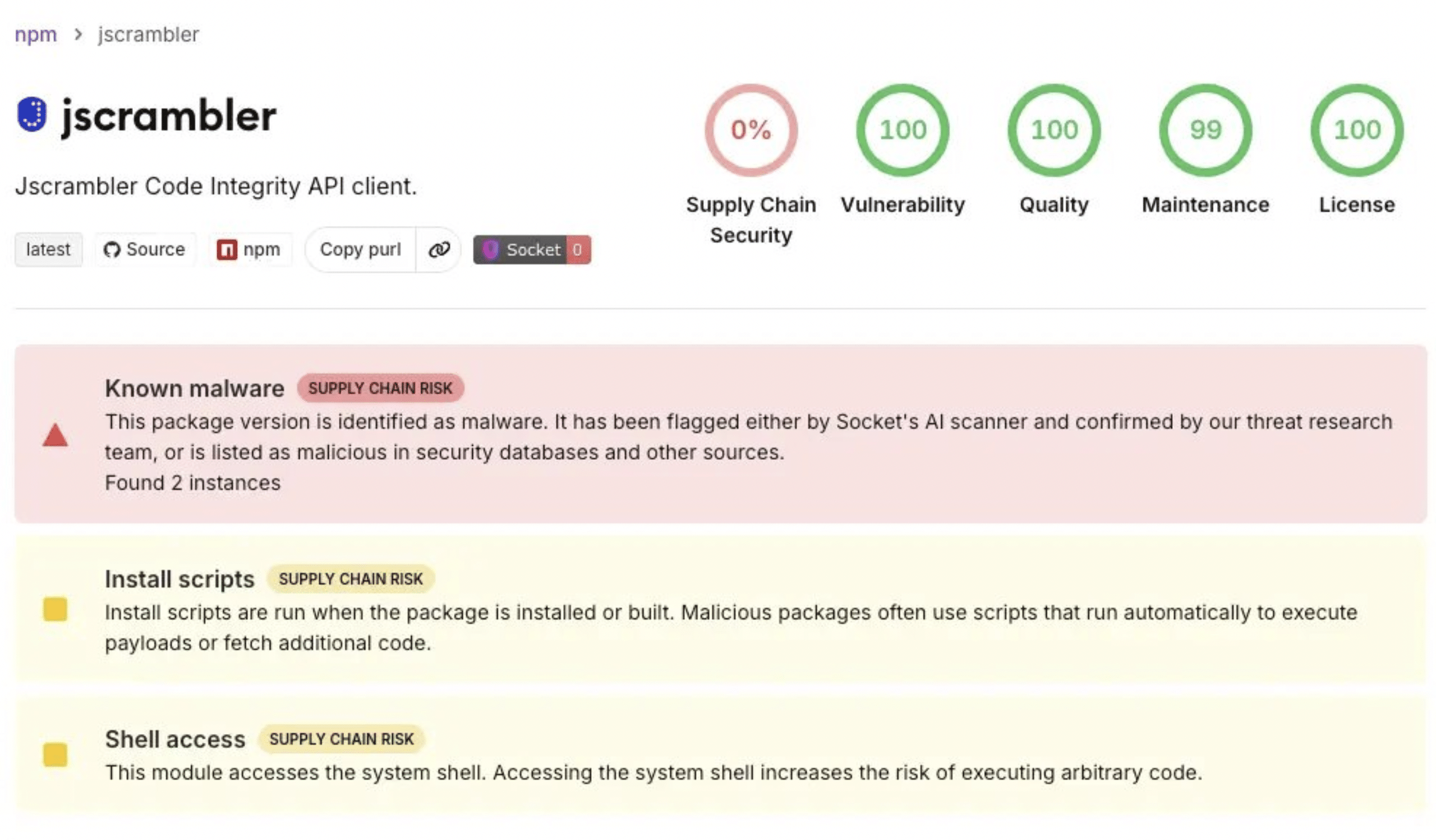
What set this apart from a typical compromised package was the method. Earlier versions ran the malicious code through a preinstall script, something security tools can usually catch and block. But later releases baked the malicious code directly into the package itself, sidestepping the very safeguards developers rely on to stop this exact kind of intrusion. A patched version has since been released, and developers were urged to update without delay.
Reading the Warning Signs Behind Crypto Attacks
Anyone active in this space needs to understand a handful of indicators that tend to show up right before or during crypto attacks. Unusual wallet activity, especially sudden unstaking or large transfers to brand new addresses, almost always signals trouble. Bridging assets across chains right after a suspicious transaction is another red flag, since it usually means someone is trying to cover their tracks.
On the developer side, unexpected changes in a package’s install behavior or a spike in outbound network requests after an update can indicate a compromised release. None of these signs guarantee an attack is happening, but taken together, they are the kind of pattern that experienced security teams watch for constantly.
Final Thoughts
These crypto attacks, all landing within a single day, are not an isolated blip. They reflect a broader trend where attackers are diversifying their approach, hitting users, whales, and developers with equal ambition. The common thread running through each case is verification. Confirming sources before installing software, watching wallet activity closely, and updating tools the moment a fix is released can go a long way toward staying ahead of the next wave of crypto attacks.
Frequently Asked Questions
What caused the $14.2 million SOL theft?
An early Solana wallet was compromised, leading to unauthorized unstaking and transfer of 180,900 SOL to new addresses before the funds were bridged to Ethereum.
How did the fake app scam targeting SecondFi work?
Scammers created counterfeit browser extensions and applications designed to look identical to the real platform, tricking users into granting wallet access.
What is a supply chain attack in software?
It happens when attackers compromise a trusted package or tool at its source, allowing malicious code to spread to everyone who installs or updates it.
How can users protect themselves from similar crypto attacks?
Verify official sources before downloading anything, avoid clicking unsolicited links, and update software as soon as security patches are released.
Glossary of Key Terms
Infostealer: Malicious software designed to secretly collect sensitive data such as passwords or private keys from an infected device.
Bridging: The process of moving crypto assets from one blockchain to another, often used legitimately but also exploited to obscure stolen funds.
Mixing service: A tool that blends multiple cryptocurrency transactions together to make it harder to trace the original source of funds.
Preinstall script: A piece of code that runs automatically when a software package is installed, sometimes exploited to deliver malware before a user notices.
Whale wallet: A cryptocurrency wallet holding a large enough balance to significantly influence market activity if its funds are moved.
Disclaimer: This content is for informational purposes only and should not be considered financial or investment advice.
Sources
ambcrypto
X/com