Selling an NFT in 2026 means preparing the file, connecting a funded wallet, choosing a marketplace, setting the sale terms, and confirming the transaction. If the NFT already belongs to you,
Selling an NFT in 2026 means preparing the file, connecting a funded wallet, choosing a marketplace, setting the sale terms, and confirming the transaction. If the NFT already belongs to you, you can list it directly. If you created a new file, you must create the NFT first.
Before listing, check the guide to permanent NFT metadata storage, review marketplace fees, and follow the NFT marketplace safety checklist. These checks help you avoid listing an item that buyers cannot see, verify, or purchase.
The two seller paths are simple to state but easy to confuse: mint a new NFT from an asset you created, or list an NFT that is already in your wallet. The first path creates the token and may involve collection setup and minting cost. The second path transfers an existing token if a buyer accepts the listing; it does not require the seller to mint the artwork again.
How to sell an NFT: the basic steps
StageWhat the seller doesWhat must be checkedWalletInstall a compatible wallet and fund it with the chain's native currencyCorrect network, recovery backup, enough balance for gas, and no unexplained approvalsMarketplaceChoose a venue that supports the NFT's chain and audienceChain support, creator terms, marketplace fee, payout currency, and cancellation rulesMint or chooseUpload a new asset to create an NFT, or open an NFT already in the walletCorrect image, title, collection, ownership, and chainListingSelect a fixed price or auction and enter the sale detailsPrice, currency, expiry, fees, and expected payoutSaleApprove the listing and wait for a buyerCorrect wallet request, completed payment, and transfer
The first decision is whether you are selling a new file or an NFT already in your wallet. A new file must be uploaded and created as an NFT before it can be listed. An NFT you already own can usually be listed directly, but you still need to check its chain, ownership, fees, and transfer rules.
Before you list
Make sure you own the file or have permission to sell it. Check the file type, image quality, collection name, blockchain, and wallet before opening the listing page. A missing image or wrong collection detail can make a listing confusing or impossible for buyers to trust.
Set up and fund the wallet before connecting it to a marketplace. Use a wallet that supports the NFT's chain, keep the recovery phrase offline, and transfer only the amount needed for the expected network fees. Never enter a recovery phrase into a marketplace page or approve a transaction whose spender, amount, or network does not match the action on screen.
When moving funds from an exchange to the wallet, select the same network on both sides. ETH, SOL, or another coin on the wrong network may not pay the fee needed to list the NFT. If the network is unfamiliar, send a small test amount first.
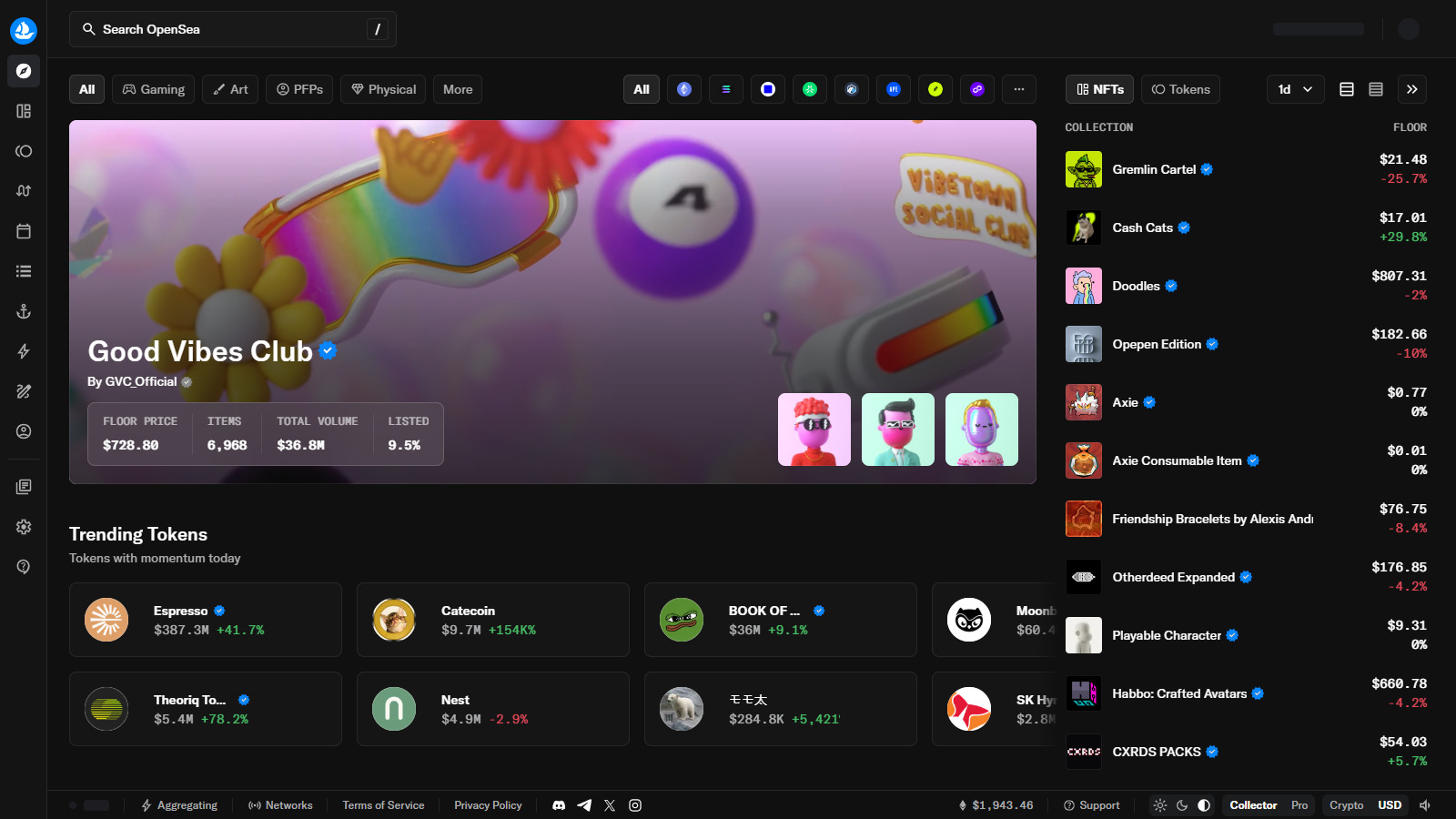
 Source: opensea
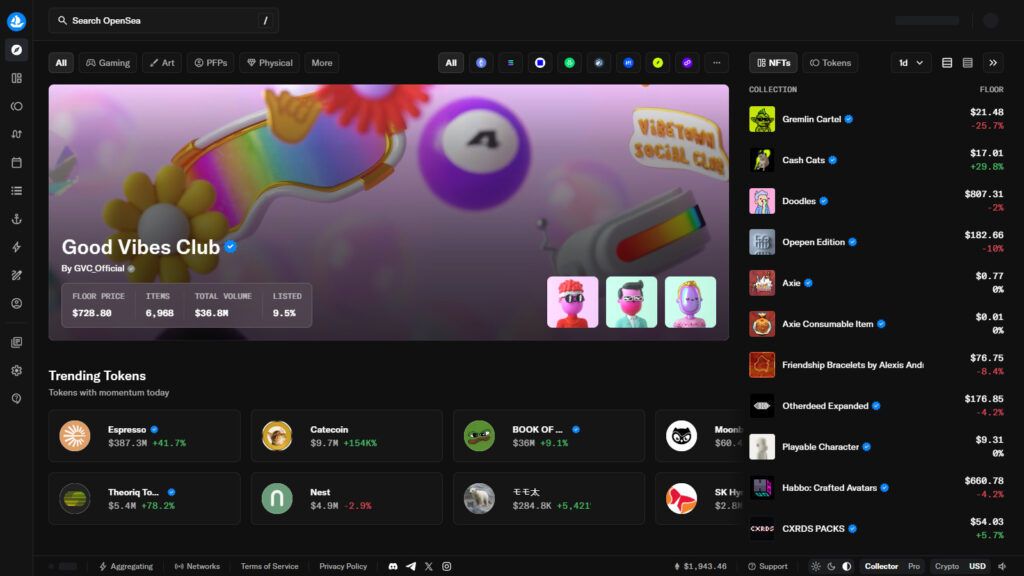
Choose the marketplace after deciding where the likely buyer already trades. OpenSea is a broad discovery surface, Magic Eden is useful for collections whose activity is concentrated in its supported ecosystems, and Rarible can suit creator-led collection presentation. These are starting points, not endorsements. Confirm the current chain support, listing method, marketplace charge, creator-earnings treatment, payout currency, and cancellation path on the live listing screen.
Selling an NFT already in the wallet is different from selling a new digital file. The existing owner should check the item, collection, chain, and ownership before listing. The creator of a new file must upload the media, add the title and description, choose a collection, and create the NFT first. Decide which path applies before connecting the wallet.
Prepare the NFT before listing
Upload the image, video, audio, or other file supported by the marketplace. Add a clear title, description, collection, and attributes such as edition, character, level, or rarity. Open the preview and make sure the image and details appear correctly before you publish.
If you are creating a new NFT, choose whether it is a single item or part of a collection, then confirm the blockchain and minting cost. The NFT marketplace smart-contract guide is useful if you need auctions, offers, or royalty settings. For a simple sale, focus on the image, title, price, wallet, and buyer instructions.
Mint, list, and verify
Choose fixed price or auction, check the wallet request, confirm the blockchain, and open the live item after publishing. Make sure the image, title, price, expiry date, and collection are correct. Save the listing link and transaction record.
For a new collection, create one test item first. Open it from another browser and check the image, title, collection, and description. Only after that test passes should you create the remaining items. The NFT creation guide covers this preparation stage. For an NFT already owned, skip creation and start from the item in your wallet.
Choose fixed price or auction
Fixed price is the clearest option when the seller knows the minimum amount they will accept. The listing should show the exact currency, price, expiration, creator earnings treatment, and expected net proceeds. A timed auction is better when competing bids are part of the sale strategy, but it adds a reserve or starting-price decision, an end time, and a risk that the highest bid is still below the seller's target.
Sale methodBest useMain risk to manageFixed priceA defined ask and a straightforward checkoutThe price can become stale as demand or currency value changesTimed auctionA scarce drop or sale where bids create useful competitionA completed auction may still fail to meet the seller's economic targetDeclining-price auctionA launch that needs the price to discover demand over timeBuyers may wait for a lower price, while the seller gives up certainty
Lazy minting can reduce upfront cost on marketplaces that support it because the token is minted when a buyer completes the purchase. It does not remove all costs: the seller still needs to confirm the marketplace's current rules, the buyer's payment responsibility, the final token owner, and how the item appears before and after settlement.
Calculate fees and expected payout
Do not calculate profit from the headline listing price. Separate network gas, marketplace fees, creator earnings or royalties, currency conversion, and any cost to cancel or relist. A marketplace may advertise a fee range, but the final checkout and wallet preview are the decisive records for the transaction being made.
Cost or receipt itemWho may payWhat to record before listingMinting gasSeller or buyer under lazy mintingNetwork, estimated amount, and whether minting happens immediatelyListing or approval gasUsually the sellerApproval target, one-time activation cost, and cancellation costMarketplace feeSeller, buyer, or split by venuePercentage or fixed charge and the stage where it is deductedCreator earningsUsually deducted from an eligible secondary saleWhether the venue honors the setting and how it affects net proceedsFinal payoutSellerCurrency, receiving wallet, transaction hash, and settlement status
For example, a listing at 0.10 ETH is not necessarily a 0.10 ETH payout. If the seller pays 0.002 ETH in gas and 2.5% is deducted at settlement, the amount received before any other creator or conversion treatment is lower than the visible ask. Use the actual marketplace preview rather than this illustration when publishing a live listing.
Safety checks before the final signature
- Open the marketplace from a saved official URL or a verified project link, not from a random direct message.
- Match the collection contract and chain against the creator's official project page before listing.
- Confirm that the wallet is connected to the intended account and network.
- Read the approval or listing prompt and identify the spender, token, amount, expiry, and requested action.
- Keep the recovery phrase offline and never paste it into a marketplace, support form, or browser pop-up.
- Save the listing URL and transaction hash so a later cancellation or dispute has a concrete reference.
The safest listing is not necessarily the one with the lowest advertised fee. A slightly higher visible charge can be preferable if the marketplace shows the exact order, expiry, approval, cancellation route, and payout before the seller signs. The relevant comparison is the complete transaction path, not a headline percentage detached from the wallet and settlement screens.
Delist, transfer, or recover
A seller workflow should include the unglamorous actions too: canceling an order, revoking an approval, moving assets to another wallet, and documenting what happened if a signature was unsafe.
If the section only says a platform is easy, popular, or fast, it still needs evidence from the official product surface or a visible workflow that a reader could inspect.
A 2025 Rarible reviewer described the creator setup as “straightforward to set up shop” after the wallet was ready, which supports the basic listing flow but says nothing about current gas or demand. A separate seller reported paying a 0.23 ETH gas fee in this Rarible gas-fee review, collected on August 11, 2026. That experience cannot establish the current fee policy for every chain, but it makes the practical step unavoidable: confirm who pays gas and calculate net proceeds before publishing the listing.
Conclusion: sell only after metadata and payout are visible
The selling workflow is ready only when the creator can verify the asset, metadata, storage, listing, fee path, and cancellation route. A strong NFTenex guide makes the reader slower before signing and faster after the listing is live. The next safe move is to verify tokenURI and listing state before promotion begins. A seller should be able to prove what was listed, where it points, what it costs, and how to cancel it.
Frequently asked questions
Who should read How to Sell an NFT?
This article is for builders, creators, marketplace operators, and technically curious collectors who need to make a decision around how to sell an NFT rather than read a surface-level definition.
What is the first thing to verify for how to sell an NFT?
Verify the workflow that creates value for the reader, then check the source of truth, failure mode, and recovery path. A feature claim is not enough without an observable workflow.
Does this replace vendor documentation?
No. This guide translates vendor and protocol documentation into a decision path. Fast-changing limits, fees, and chain support still need a dated check against official sources.
Disclaimer: This article is for research and editorial comparison purposes only. It does not constitute financial, investment, legal, or tax advice. NFT tools, marketplaces, fees, chain support, and live availability can change quickly, so verify current conditions on the official platform before making any decision involving funds, assets, or private keys.
Read original article on nftenex.com