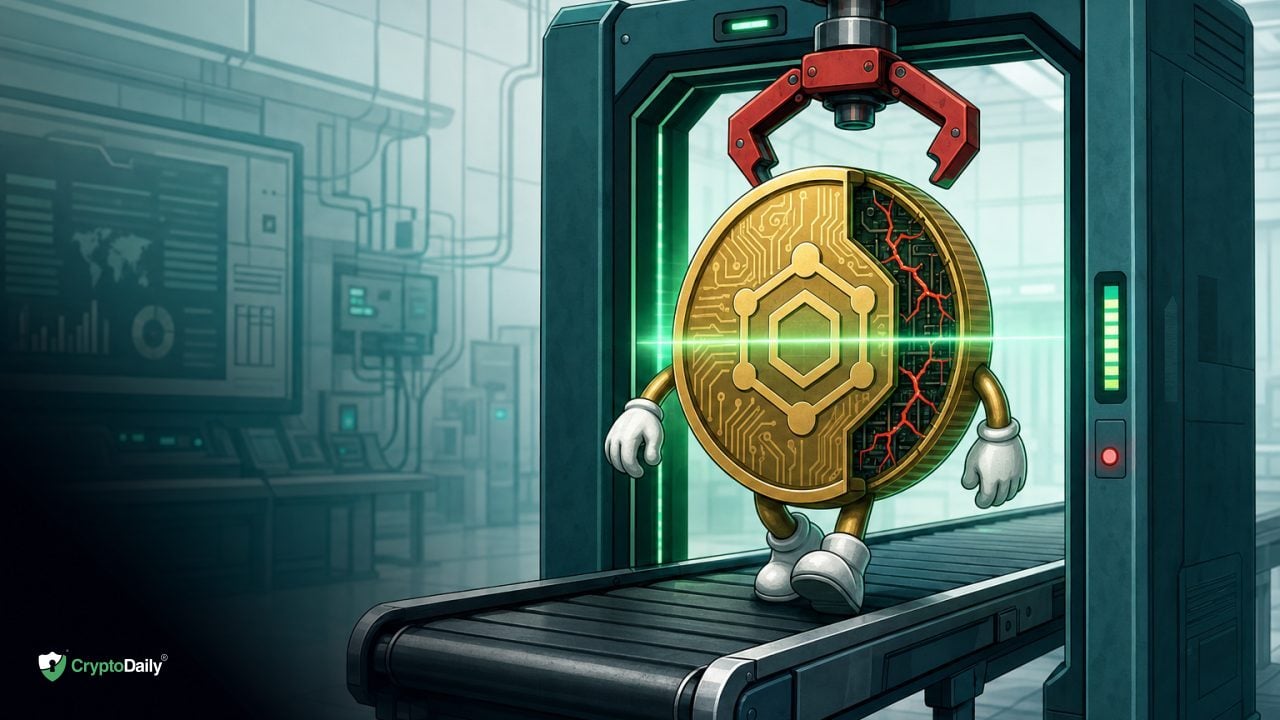
The Robinhood X hack wasn’t just a headline. It was a real-time reminder that scams adapt faster than most people do. A verified account can still get popped, a post can look legit, and a tok
The Robinhood X hack wasn’t just a headline. It was a real-time reminder that scams adapt faster than most people do. A verified account can still get popped, a post can look legit, and a token can have a ticker that feels familiar. Then your assets are gone.
This guide is a short, practical playbook for sniffing out fake tokens right when hype is loud and clarity is low. We’ll keep it grounded: where to check, what to ignore, and how to make sure you don’t swap into something you can’t sell.
If you’re trading on newer chains or chasing fresh memecoins, slow down just long enough to run these checks. It can save you from a painful lesson.
AspectWhat to Know IdentityVerified social posts can be from hacked accounts. Always cross-check the contract on an official site or explorer before acting. ContractLook for verified code, mint limits, blacklist functions, max wallet rules, and whether ownership is renounced or behind a multisig. LiquiditySize, lock status, and who holds LP tokens matter. Thin or unlockable liquidity can enable rug pulls. Trading FrictionHoneypots and heavy taxes can block or drain sellers. Test with a tiny trade and simulate swaps first. On-chain PatternsDeployer history, top holder concentration, and snipers at launch tell you if insiders dominate the flow. Social FootprintNewly made accounts, botted replies, or no GitHub/docs are red flags. Real teams leave verifiable trails. Listing IllusionsAnyone can create a pool with your favorite ticker. Always verify the exact contract address.
Core Concepts
Editor's note: In early 2026 I spent more time than I’d like to admit tracing memecoin flows on new L2s. The pattern was consistent: volume spikes first, guardrails show up later. On Robinhood Chain I watched liquidity hop pools and deployers recycle playbooks within hours. The Vladhood incident just put a spotlight on what’s been happening under the hood all quarter. My takeaway from trading small and tracking the losers as closely as the winners: the first 60 seconds of verification decide most outcomes. Contract, LP, ownership — if you can’t validate those fast, you don’t need the trade. — Idris Calloway
Fake tokens thrive on speed and borrowed trust. The scammer playbook is simple: spin up a token with a familiar name, seed a small pool, post a link from a credible-looking account, and catch the first wave of FOMO. If the crowd can’t verify the real contract in minutes, the trap usually works.
On newer chains, the window is even tighter. Robinhood Chain went live on 1 July 2026 as an Ethereum Layer 2 built on Arbitrum’s Orbit stack, drawing a rush of users and traders The Block. Within days, activity concentrated hard: CoinDesk noted roughly 312 million dollars in TVL, about 3.6 million daily transactions, and around 3.1 billion dollars in DEX volume over a week, pulled largely by memecoin flows CoinDesk.
Where volume sprints, scams follow. Security researchers flagged wallet-drainers, honeypot contracts, and impersonation attempts on Robinhood Chain by 10 July, right after a reported 568 million dollar DEX-volume day TechTimes. And on 23 July, the stakes got public: the verified X account of Robinhood CEO Vlad Tenev was compromised to promote a fake memecoin called Vladhood, with roughly 1,868 transactions recorded on the contract before the post came down and the account was secured The Block.
The mechanics don’t change: contracts with sneaky permissions, liquidity that’s easy to pull, and psychology designed to rush you. What changes is the surface area. New chains and viral moments create more places for impersonators to hide.
Glossary: what scammers tweak and what you should check
- Honeypot A token that lets you buy but blocks or punishes sells through transfer rules, taxes, or whitelists.
- Wallet drainer A malicious site that tricks you into signing approvals or permit messages that move assets out.
- Liquidity lock A time lock on LP tokens. If there’s no lock or the issuer controls the lock, exit risk is high.
- Renounced ownership The deployer gives up contract control. It removes some risks but doesn’t make a token safe by itself.
- Mint function A callable method to create new tokens. If minting stays enabled and centralized, supply can be inflated at will.
- Trading tax A fee on transfers. Reasonable taxes fund pools or burns; extreme taxes often hide traps.
Step-by-Step Playbook
- Start with the contract address, not the ticker. Pull it from an official site, GitHub, or a signed message by the team. If it came from a random X post, find a second source.
- Open the block explorer and read the contract page. Is the source code verified? Are there owner-only functions like mint, blacklist, or setTax that are still active?
- Check the deployer and ownership. Look at the deployer’s other contracts, the ownership status, and whether control sits with a multisig. Single EOA owners are higher risk.
- Inspect the liquidity pool. How much is in the main pair, who holds the LP tokens, and is there a time lock? If LP sits in the deployer wallet, assume it can vanish.
- Map top holders and distribution. If the top 5 wallets hold half the supply, price discovery will be violent. Watch for team wallets masquerading as “community.”
- Simulate a buy and a sell before committing size. Use a tiny amount and track slippage, taxes, and whether the sell reverts. Don’t approve unlimited spend by default.
- Cross-check socials and domains. Domain age, SSL, and consistent branding matter. No archives, no docs, and copy-paste imagery scream impersonation.
- Use multiple scanners, then think for yourself. Static analyzers and honeypot checkers help, but they miss context. Your manual review is the last line of defense.
What the Robinhood hack changes right now
The playbook after the Vladhood incident is simple: verified badges don’t verify links. The fake token rode a compromised, high-trust channel and still attracted on-chain activity before the clean-up. The contract logged around 1,868 transactions before the post was removed and the account was secured, according to reporting at the time The Block.
So you need a new default. Treat every viral contract as unverified until you can confirm its address from two independent, non-social sources. If the project is real, the official site and explorer listing will match. If it’s fake, the trail gets fuzzy fast.
Pro tip: before you click any “Buy now” link on X, paste the contract into the chain’s explorer yourself. If you can’t find a verified contract page and a credible deployer trail in 60 seconds, walk away.
Thin liquidity, fast moves: how to read risk on new chains
Memecoins can rip on low float and thin pools, which makes them fun and dangerous at the same time. On Robinhood Chain, CoinDesk highlighted CASHCAT as an early breakout: about 105 million dollars in market value while the main Uniswap pool held only around 6.6 million in liquidity, and some early buyers turned tiny stakes into seven figures CoinDesk. That kind of mismatch between market cap and pool size is exactly where rugs and tax traps like to hide.
Layer that on top of a chain that just booted up. Robinhood Chain launched on 1 July 2026 The Block, saw a reported 568 million dollar DEX-volume spike by 8 July, and by 10 July researchers were already flagging wallet-drainers and honeypots TechTimes. Translation: the opportunity window is real, but so is the noise floor of scams.
PatternTelltalesUsual risk Impersonation tokenFamiliar ticker, lookalike logo, social posts from compromised or fake accountsYou buy the wrong contract, liquidity later drains HoneypotBuys go through, sells revert or face 80 to 100 percent taxCapital trapped, only insiders can exit Mintable supplyOwner can mint after launch, no caps or timelocksSudden dilution, price collapse Taxed transferHidden or changing tax settings, anti-bot excusesStealth drain on newcomers Liquidity baitTiny pool, no lock, LP held by deployerClassic rug pull risk
Manual checks vs scanners: what each actually catches
Automated tools can save time, but they’re not oracles. Static analyzers flag obvious risks in code. Honeypot testers try simulated swaps. Reputation sites track deployer histories. None of them can tell you if a credible-looking social post came from a hacked account or if a “partnership” is just a Canva image.
ApproachStrengthsGapsWhen to use Manual explorer reviewContext-rich, sees ownership, LP, holdersTime-consuming, requires experienceFirst pass on any new token Static code scannersQuickly flag dangerous functionsCan miss proxy upgrades, tricky logicAfter you find the real contract Honeypot testersSurface real trading frictionNot foolproof, may fail on new routersBefore any buy bigger than dust Reputation databasesCatch known bad actors and patternsWeak on brand-new deployersSupplement after manual checks
Pitfalls & Red Flags
- Unverified contract with viral hype. If the code isn’t verified on the explorer, assume the worst until proven otherwise.
- LP controlled by a single EOA. If one wallet holds the LP tokens and there’s no lock, your exit depends on their mood.
- Owner can mint or blacklist. Live admin powers after launch are a standing rug lever.
- Max wallet and trading pauses at launch. These can be legit anti-bot tools or permanent gates that keep you from selling.
- New domain, new socials, recycled art. Impersonators move fast and cheap. If the footprint looks rushed, it probably is.
- Promise-first, details-later messaging. Real teams publish addresses, audits, and docs before they scream about price.
If you want steady coverage that separates signal from noise without cheerleading, we publish practical breakdowns and risk-first explainers at Crypto Daily.
Frequently Asked Questions
Does a verified X account make a token announcement safe?
No. The Robinhood CEO account was compromised and used to push a fake token. Always verify the contract address independently on a block explorer, and cross-check on the official site or GitHub before acting.
How do I tell the real contract from a copycat on DEX aggregators?
Start from the project’s own domain or docs. From there, open the explorer page and confirm verified code, ownership status, and the main liquidity pair. Don’t trust token names or logos alone.
What’s the quickest single check to avoid a honeypot?
Simulate a tiny buy and sell with minimal approvals. If the sell reverts or the tax is extreme, step back. Pair that with a look at transfer rules in the verified contract.
Are liquidity locks a guarantee of safety?
No. Locks reduce rug risk but don’t fix mint functions, blacklist tools, or centralization. Check who controls the lock and how long it runs.
I clicked a scam link and approved a spender. What now?
Immediately revoke token approvals on the chain’s approval manager and move assets to a fresh wallet. Consider rotating seed phrases if you signed unknown messages.
Why are new chains riskier for memecoins?
New chains attract speculators, thin liquidity, and fast-moving impersonators. Tooling and reputation data lag, so manual verification matters even more.
Is chasing early memecoins ever worth it?
That’s a personal risk decision. Early moves can pay, but the downside is total loss. If you play that game, size your bets small, demand verifiable contracts, and assume many will be traps.
Disclaimer: This article is provided for informational purposes only. It is not offered or intended to be used as legal, tax, investment, financial, or other advice.