BitcoinWorld HRF Funds Seven Bitcoin Projects for People Under Repression The Human Rights Foundation said on November 25, 2026 that it had awarded grants to seven projects under Round III of
BitcoinWorld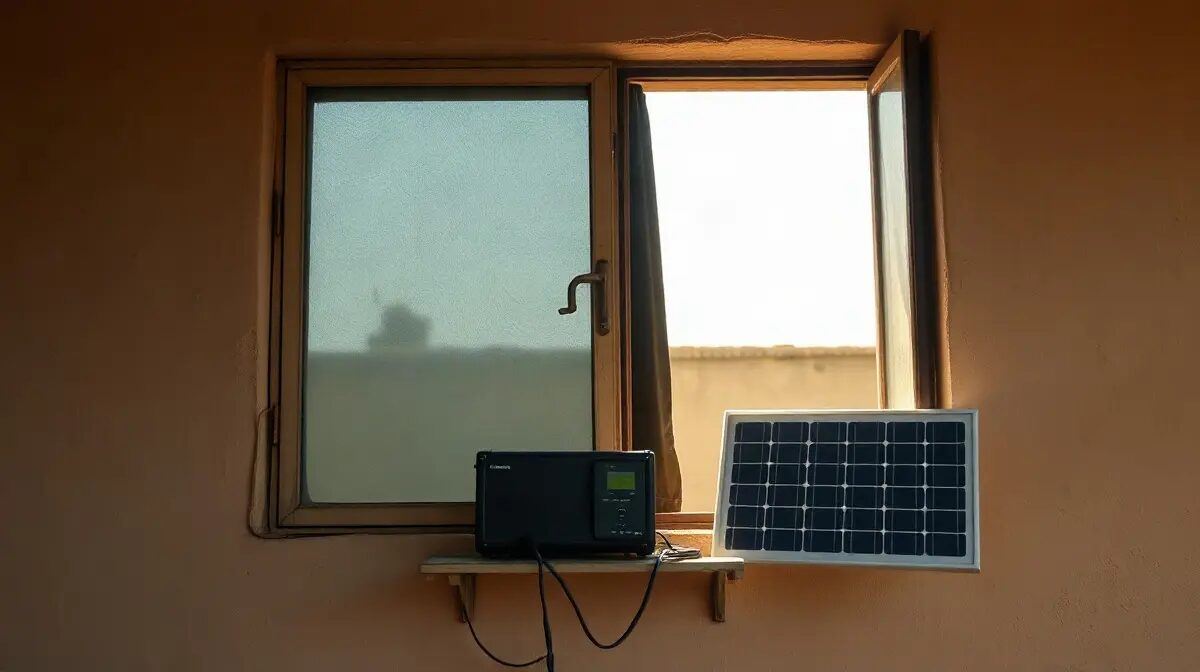 HRF Funds Seven Bitcoin Projects for People Under Repression
The Human Rights Foundation said on November 25, 2026 that it had awarded grants to seven projects under Round III of its Bitcoin Development Fund, aimed at people living under authoritarian regimes. According to Bitcoinmagazine, the recipients span self-custody tools, financial privacy auditing, election-evidence preservation and bitcoin education.
The Human Rights Foundation announced seven grants from its Bitcoin Development Fund in Round III of 2026, funding self-custody devices, a privacy auditing tool, an election-evidence platform, a 21-language bitcoin glossary and solar-powered bitcoin mining in Nigerian homes.
Key facts
- Seven projects received grants from the HRF Bitcoin Development Fund in Round III of 2026.
- Exonumia Africa is building a Bitcoin Glossary in 21 African languages and aims to review and validate more than 250 terms by native speakers.
- Strandedwatt, led by Bitnob CEO Bernard Parah, plans to deploy 100 Jua Kali miners in rural Nigerian homes using surplus solar power.
- SeedSigner will migrate its code from the Raspberry Pi Zero to more widely available hardware.
- Pawavox, created by Nigerian civic-tech founder Jason Omu, publishes GPS-tagged and timestamped observer reports to the Nostr protocol.
What the seven grantees are building
CryoBrick turns feature phones into offline Bitcoin signing devices so that, to an outsider, the device looks and works like an ordinary phone. Technical director Apalok will use the grant for security hardening and peer review, to integrate Bitchat for offline messaging, and to publish how-to guides.
Exonumia Africa’s glossary is designed to give wallet developers a trusted foundation for translating bitcoin software. The project will run three in-person and 12 virtual translation sprints, with every term validated by native speakers rather than machines, and the finished glossary will be published as a free public resource.
Pawavox gives election observers a way to record short video or voice reports that are GPS-tagged and timestamped, then published to Nostr so the record is harder to tamper with. The grant funds completion of the Nostr integration and expansion across Africa.
SeedSigner is an open-source signing device that users assemble from inexpensive, widely available parts, which means there is no finished-device supply chain for an attacker to compromise. Lead maintainer Keith Mukai will use the funding to move the code onto hardware that is easier to source in the regions that need self-custody most.
Stealth runs on a user’s own node and analyses a bitcoin wallet using the same techniques blockchain analytics firms use, producing a report with severity levels, confidence scores and concrete fixes. Lead maintainer LORDBABUINO will add support for the main Bitcoin network and build packages for standard node kits.
Strandedwatt installs small open-source bitcoin miners in homes receiving solar electricity for the first time, where much of the daytime power goes unused. The bitcoin earned is paid privately and directly to the host households, and the grant will fund 100 Jua Kali miners plus an open-source playbook other communities can copy.
Specter DIY is a fully open-source, air-gapped wallet that anyone can build from off-the-shelf components and verify line by line. The grant to the Specter Association, the nonprofit that maintains the project, helps fund hardware costs, tooling and vulnerability bounties.
Why it matters
Each grant targets a different point of failure for people who need to hold money without a trusted intermediary: the cost and visibility of hardware, the availability of hardware at all, the leaks users leave on a public ledger, and the disappearance of records that hold governments accountable. The design choices share a pattern, favouring tools that look ordinary, can be built locally, or can be checked by the user rather than bought and trusted.
The roster also shows where bitcoin tooling is being localised. Nigeria appears twice, through Strandedwatt’s mining model and Pawavox’s election monitoring, while Exonumia’s glossary targets wallet developers across the continent rather than end users alone. That is a slow, infrastructural kind of funding rather than a price story, and its results will be measured in shipped software and adopted languages.
Market snapshot
Bitcoin traded at $60,712, or ₹5,603,308, on November 26, 2026 at 03:30 UTC, according to CoinPaprika market data. The price was up 2.4% over 24 hours but down 4.0% over seven days, with a market capitalisation of $1.22 trillion and 24-hour volume of $27.09 billion.
What to watch
Two of the grants have clear, countable deliverables: Strandedwatt’s 100 Jua Kali miner deployments and Exonumia’s glossary of more than 250 validated terms. Progress on SeedSigner’s move off the Raspberry Pi Zero will also show whether self-custody hardware can reach the regions the fund is aimed at.
Frequently Asked Questions
What is the HRF Bitcoin Development Fund?
It is the Human Rights Foundation’s grant programme that funds projects advancing bitcoin self-custody, financial privacy and education for people living under authoritarian regimes.
Which projects received grants in Round III of 2026?
CryoBrick, Exonumia Africa’s Bitcoin Glossary, Pawavox, SeedSigner, Stealth, Strandedwatt and Specter DIY.
How does Strandedwatt help Nigerian households?
It installs small open-source bitcoin miners in homes with surplus solar power and pays the bitcoin earned directly and privately to the host households.
Why does SeedSigner need new hardware?
It currently runs on a Raspberry Pi Zero, which can be unavailable in the regions that most need self-custody, so the grant funds a migration to more widely available hardware.
This post HRF Funds Seven Bitcoin Projects for People Under Repression first appeared on BitcoinWorld.