An in-game market lets players buy and sell without leaving the game. A standalone market sends them to a separate website. A hybrid model uses both. The right choice depends on where the pla
An in-game market lets players buy and sell without leaving the game. A standalone market sends them to a separate website. A hybrid model uses both. The right choice depends on where the player should find, pay for, receive, and use the item.
The choice changes the first purchase and who fixes problems. The Web3 game marketplace operations guide covers failed orders, the NFT creation guide covers the item before sale, and the gasless trading guide covers ways to reduce wallet steps.
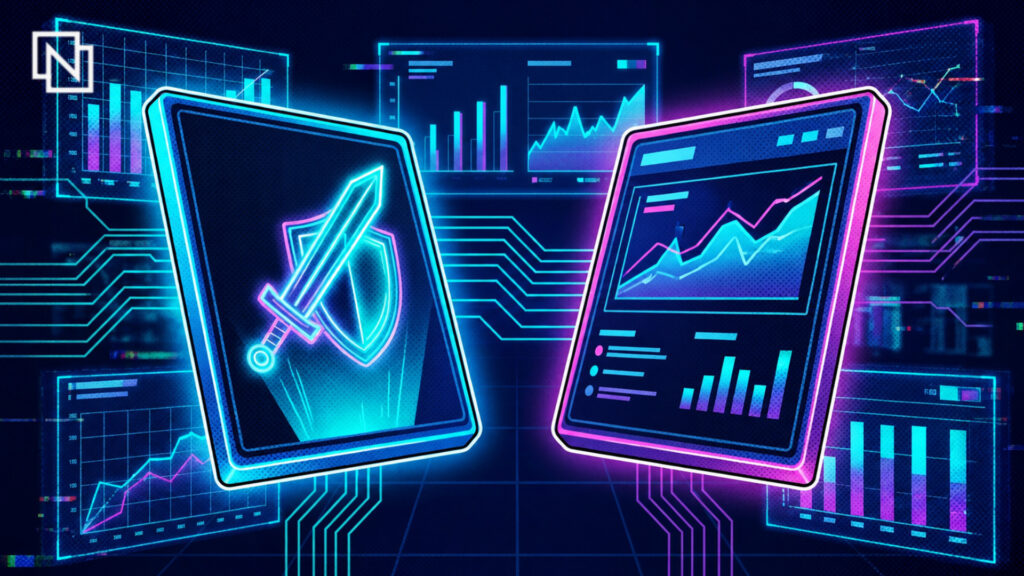
Three trading models compared
ModelHow the player buysBest fitMain trade-offIn-gameBuys beside the inventory or loadoutActive players who need the item immediatelyEasier to use, but the studio owns support and has less public discoveryStandaloneConnects a wallet on a separate marketplaceCollectors, traders, and buyers outside the gameMore public liquidity, but more wallet and delivery frictionHybridBuys in-game or on the web, with both paths linkedGames serving players and outside collectorsBest coverage, but price, ownership, and delivery must stay synchronized
For the same game sword, the in-game path prioritizes speed, the standalone path prioritizes public discovery, and the hybrid path tries to provide both. The detailed sections below explain the wallet, fee, ownership, and support consequences of each choice.
Hybrid is not just putting two links in the game. The game and website must show the same order, owner, price, and delivery status. If the chain transfer succeeds but the game has not received the item, both sides must show “pending” and use the same support number.
What changes under the hood
The studio must make four decisions before building the store: where the item is recorded, who signs the transaction, who pays the network fee, and who can recover the account.
Operating questionIn-game marketStandalone marketHybrid modelWhere the item startsGame database or inventory serviceToken contract and marketplace orderGame inventory first, with a defined export pathOwnership recordMay remain in the game account until withdrawalRecorded on-chain from the startSeparate game-access and on-chain ownership recordsPlayer loginExisting game account or embedded walletExternal wallet such as MetaMask or PhantomGame login for normal use, external wallet for export or advanced tradingTransaction speedUsually immediate inside the gameDepends on network confirmation and marketplace indexingImmediate game state plus a pending blockchain state when neededMain support ownerStudio support teamMarketplace and wallet providers may share the incidentStudio owns game access; marketplace owns the order; both use one reference ID
For example, an in-game sword may begin as item ID 458 in the game database and become an NFT only when the player withdraws it. On a standalone market, the starting record is the contract, token ID, and wallet address. In a hybrid system, decide which record wins when they disagree. Otherwise the player can pay once, see two owners, or equip an item that is already listed for sale.
Who pays and who sets the price
An in-game market gives the studio more control over prices, discounts, bundles, spending limits, and the fee shown to the player. The studio also carries the cost of servers, payment processing, refunds, fraud review, and any blockchain transaction it sponsors. A “gas-free” player experience does not mean the transaction has no cost; it means the studio or a service provider pays or hides that cost from the player.
In a standalone market, the buyer or seller may pay the network fee, and the marketplace sets its own transaction charge. Creator earnings can also depend on the marketplace and the asset's royalty settings. The studio should calculate the result using the actual checkout screen rather than assuming that a royalty percentage or advertised marketplace fee will apply to every resale.
Economic decisionIn-game marketStandalone marketPrice controlStudio can set bundles, limits, discounts, and item sinksPrice is discovered through public listings, bids, and completed salesNetwork costStudio can sponsor or batch transactionsBuyer or seller may need the network's native tokenMarketplace feeStudio keeps more control but funds more operationsVenue fee, royalties, and gas are separated at checkoutSecondary salesMay remain inside the game economyCan reach external collectors, but creator earnings need verificationFraud and refundsStudio handles chargebacks and account disputesWallet settlement is harder to reverse after confirmation
In-game market: buy the item beside the loadout
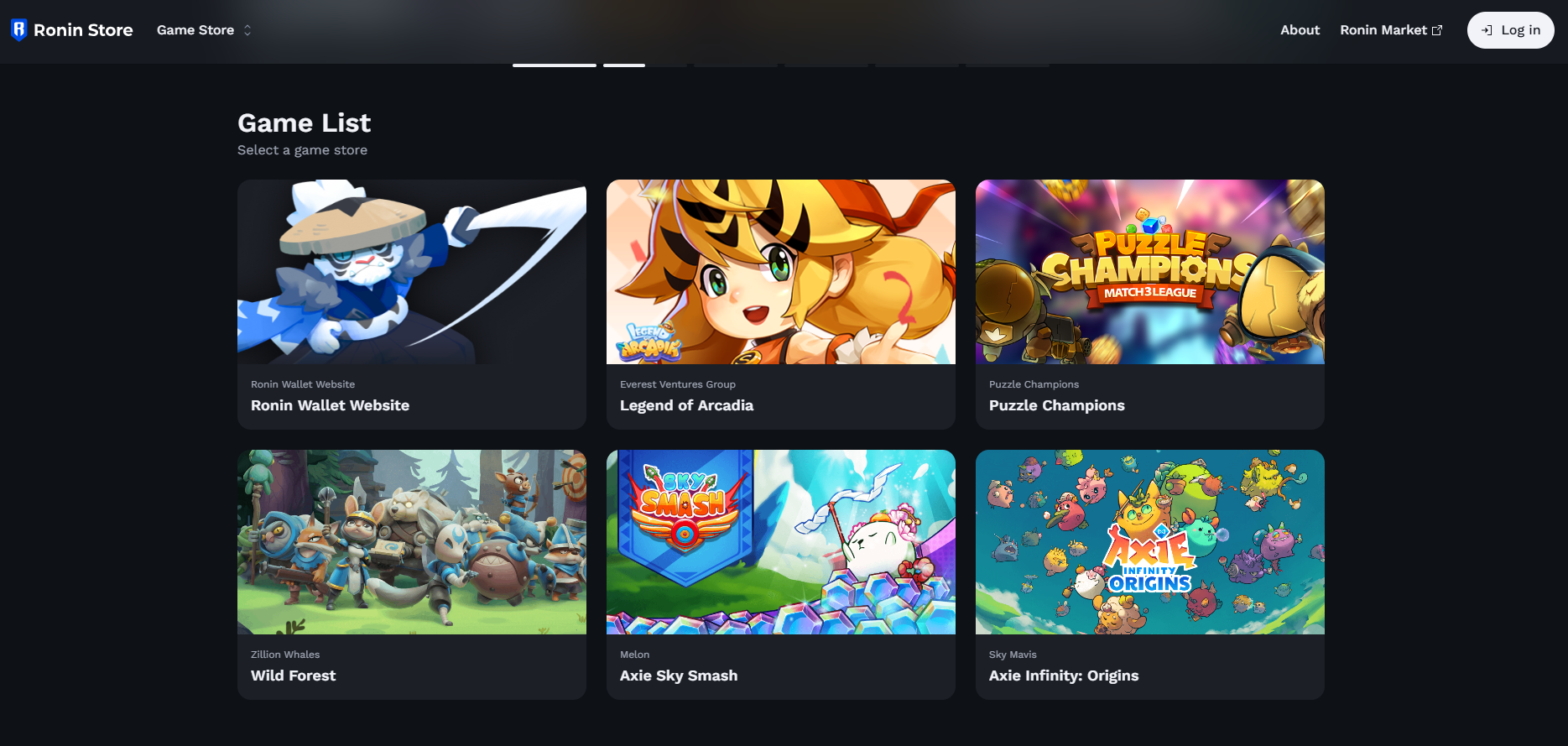
Use an in-game market when the player buys the item to use it immediately. A sword, skin, or upgrade can sit beside the loadout, and the game can check level, class, and delivery before the next match. The trade-off is support: if payment succeeds but the item cannot be equipped, the game team must fix it.
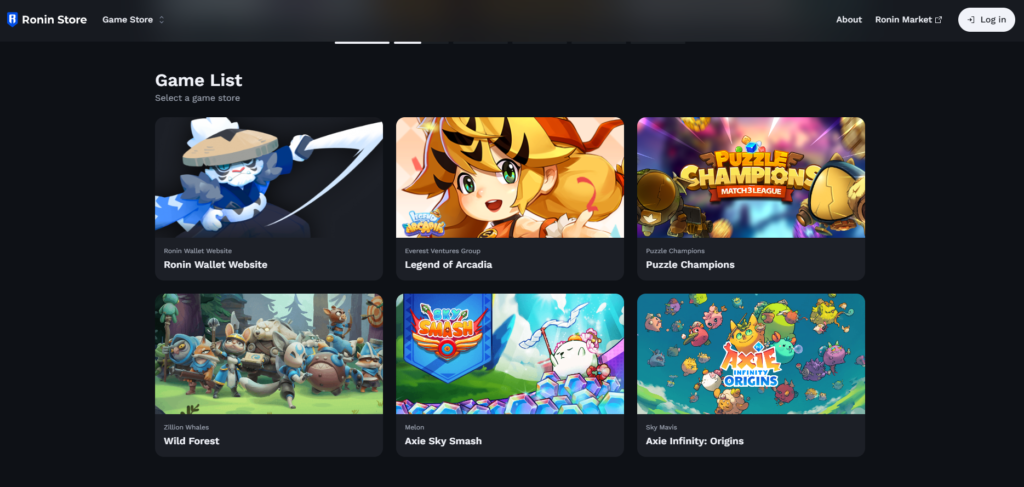 Ronin Store game-item marketplace. Source: Ronin Store
The decision is strongest for games with repeat item actions, bounded inventory rules, and a support team that can resolve account and delivery issues without redirecting players to a third-party marketplace.
Standalone market: let collectors find the item
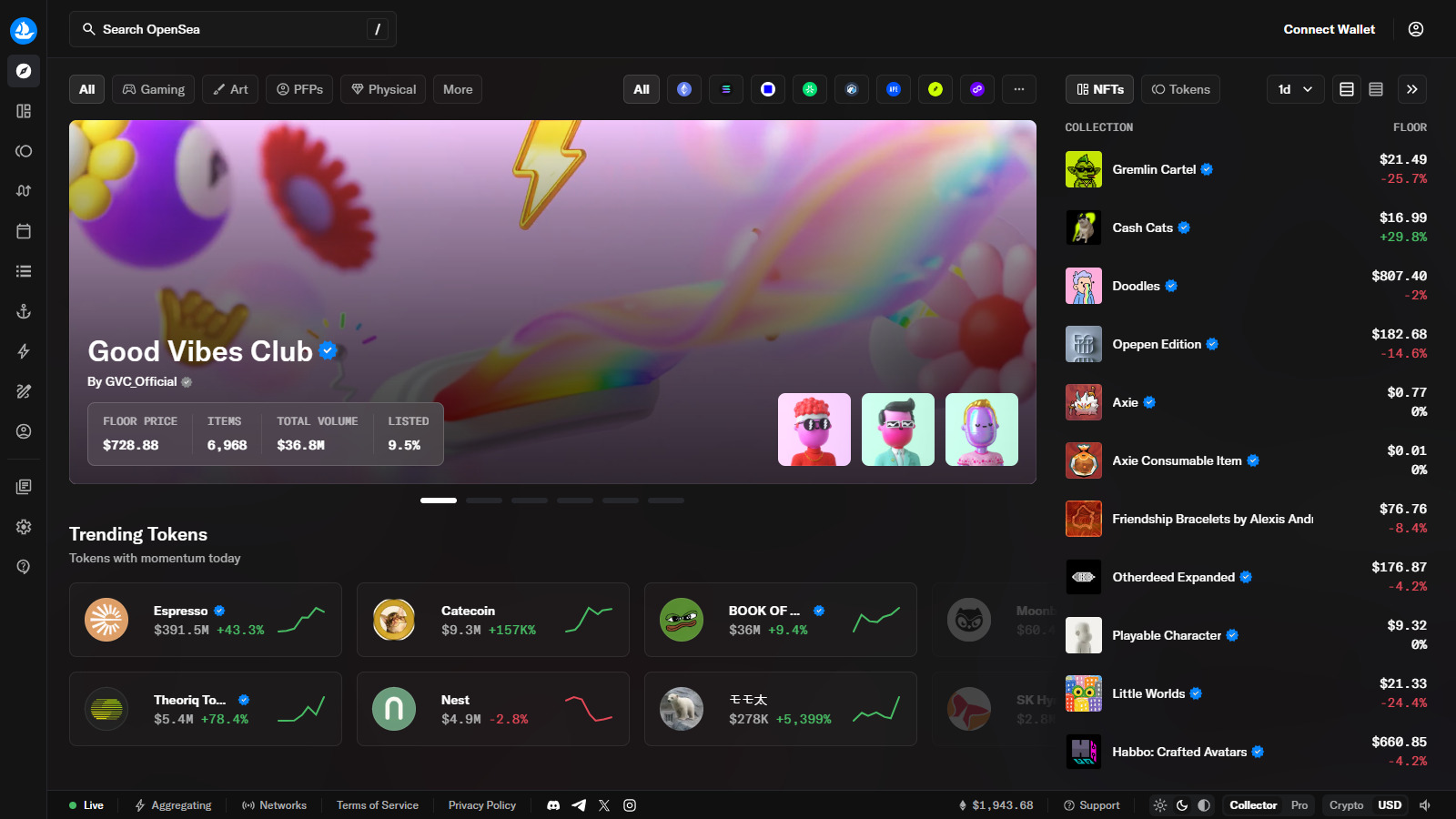
Use a standalone market when the collection needs public search, portfolio views, offers, and buyers who have never played the game. It can bring more people to the collection, but the game must show how a web buyer connects the purchase to a game account. If the buyer cannot claim or use the item after checkout, support tickets increase quickly.
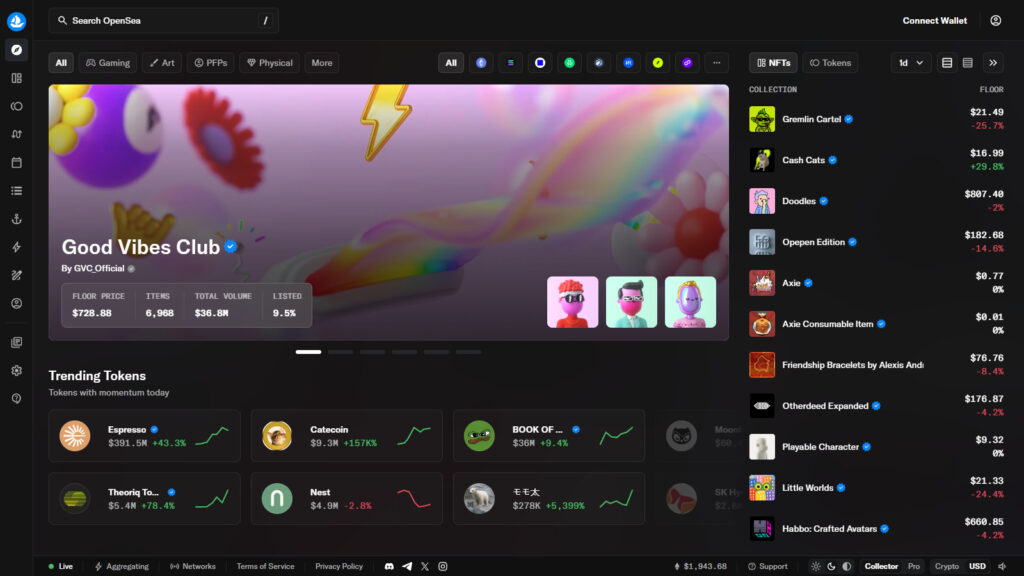 OpenSea standalone NFT marketplace. Source: opensea
Test one listing from start to finish: open the item, connect the wallet, read the fee, sign the transaction, wait for confirmation, and check that the item appears in the correct game account.
Hybrid market: keep the game flow and public market
Use a hybrid model when active players need fast in-game trading but outside collectors also matter. The game can show the sword beside the loadout while the website handles public listings and offers. This works only if both surfaces show the same price, owner, order status, and cancellation result.
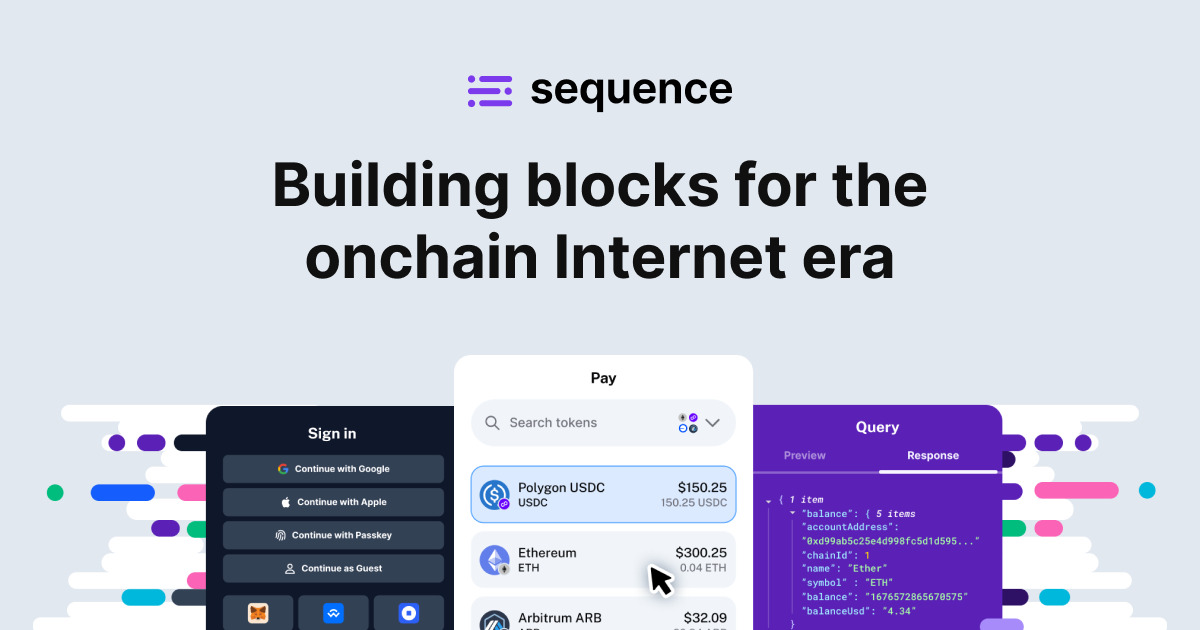
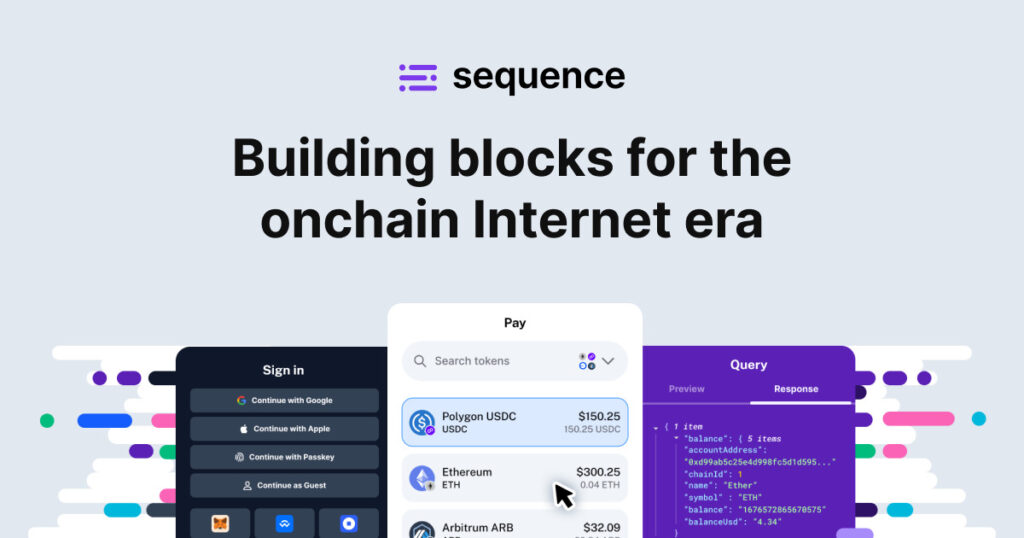 Sequence gaming commerce interface. Source: Sequence
Test the game after a web purchase. A marketplace can transfer a collectible correctly while the game still refuses to equip it, links it to the wrong account, or leaves it stuck in pending status.
Hybrid order and inventory synchronisation
For hybrid trading, create one order record. The player can list from the game, an outside buyer can purchase on the website, and both surfaces must read the same settlement event. The order should move through these simple states: listed, pending, sold, delivered, equipped, or needs recovery.
EventMarketplace stateGame stateRequired actionListing signedActiveOwned by sellerShow the item as tradable and block conflicting game actionsBuyer payment confirmedPending deliveryTransfer not yet acceptedHold equip or resale until the game validates ownershipToken transfer confirmedSettledGame access pendingReconcile token ID, collection, chain, and player accountGame access acceptedCompleteUsable in inventoryUnlock the item and record the receipt for supportTransfer or indexing failureRecovery requiredPrevious state retainedRetry idempotently or route the order to manual support
Do not allow an old listing to remain active after the item is sold, burned, locked, or banned. Do not mark the item as delivered just because the payment screen says “success”; verify the transfer and the game account separately.
Choose the model against a real launch scenario
Consider an RPG launching 10,000 tradable weapon NFTs. If most buyers are current players, put the store beside the loadout. If many buyers are collectors who have not installed the game, use a standalone market. If both groups matter, use hybrid, but assign one system responsibility for the listing, payment receipt, ownership, and delivery status.
Before choosing, measure trades per session, the share of buyers who are not players, supported wallets, moderation capacity, and the longest acceptable delivery wait. These numbers tell you more than calling one model “best.”
Owning the NFT is not the same as using the item
A player may own a token but still be unable to equip it because it is rented, locked, banned, or linked to the wrong game account. Ownership and usable game access are separate checks.
The game should keep four states separate: the item is owned, the item is eligible, the item is equipped, and the item is transferable. A player may own a sword but be unable to equip it because the level is too low. The same sword may be ineligible for transfer while equipped or locked in an active match. Those rules should appear before the marketplace is launched.
For a standalone purchase, the game should check the collection, token ID, chain, and owner before unlocking the item. It should show “pending” while checking. If the item is not accepted after the transfer, the player needs a recovery queue, support reference, and retry path. This is the difference between owning an NFT and being able to use it.
Wallet and gas design
Casual players need fewer wallet interruptions and a clear recovery route. Ethereum account-abstraction guidance can inform embedded or smart-account designs, but the product still needs spending limits and a way to move assets to an external wallet.
For hybrid onboarding, let the player sign in with the game account first. Use an embedded or custodial wallet for low-value actions, then let the player connect a self-custody wallet for withdrawals or high-value trades. Explain who controls the key and which actions require a signature.
Moderation and fraud controls
Game marketplaces need collection moderation plus game-specific controls: counterfeit items, stolen accounts, chargebacks, item locks, and support disputes. A public marketplace without these controls can damage the game economy quickly.
The security risk also differs by model. An in-game market concentrates risk in the studio's account database, payment system, and item-service permissions. A standalone market exposes players to phishing sites, malicious approvals, fake collections, and lost wallet keys. A hybrid model has both risk sets, so its launch checklist must test account recovery, wallet export, listing cancellation, chain reorganization, duplicate delivery, and support escalation.
Compliance should be decided before launch, especially when the game accepts card payments, allows withdrawals, sets prices, or creates a market that resembles financial trading. Mobile-store rules, consumer refunds, identity checks, age restrictions, tax reporting, and regional availability can affect the design. The studio should obtain jurisdiction-specific advice instead of assuming that putting an NFT label on an item removes those obligations.
Choose in-game when most trades happen during play and the studio can handle payments, refunds, recovery, and moderation. Choose standalone when outside collectors and public price discovery matter. Choose hybrid only when the team can keep one order, ownership, and delivery record across both surfaces. Before launch, test one item through purchase, delivery, equip, listing, cancellation, withdrawal, and recovery.
User reports show why delivery needs its own test. One Magic Eden review described good UX and support in this marketplace experience, collected on August 11, 2026. Another reported a game-linked purchase that showed a win without delivering the NFT in this feature-specific delivery report. These are individual reports, not proof of a platform-wide failure, but they support one clear action: test payment, ownership, game access, and recovery separately.
Conclusion
A Web3 game should place trading where the player needs it. Use in-game trading for routine purchases during play, standalone trading for public collector demand, and hybrid trading only when the team can keep both surfaces synchronized. If players must leave the game for every routine item action, add an in-game path or move to hybrid.
Frequently asked questions
Who should read In-Game vs Standalone NFT Markets?
This article is for game founders, economy designers, marketplace operators, and product leads deciding where players and collectors should discover, buy, sell, and receive game items.
What is the first thing to verify before choosing a model?
Verify whether the primary buyer is an active player, an outside collector, or both. Then test delivery, entitlement, support ownership, and cancellation across the chosen surface.
Does this replace vendor documentation?
No. This guide translates vendor and protocol documentation into a decision path. Fast-changing limits, fees, and chain support still need a dated check against official sources.
Disclaimer: This article is for research and editorial comparison purposes only. It does not constitute financial, investment, legal, or tax advice. NFT tools, marketplaces, fees, chain support, and live availability can change quickly, so verify current conditions on the official platform before making any decision involving funds, assets, or private keys.
Read original article on nftenex.com