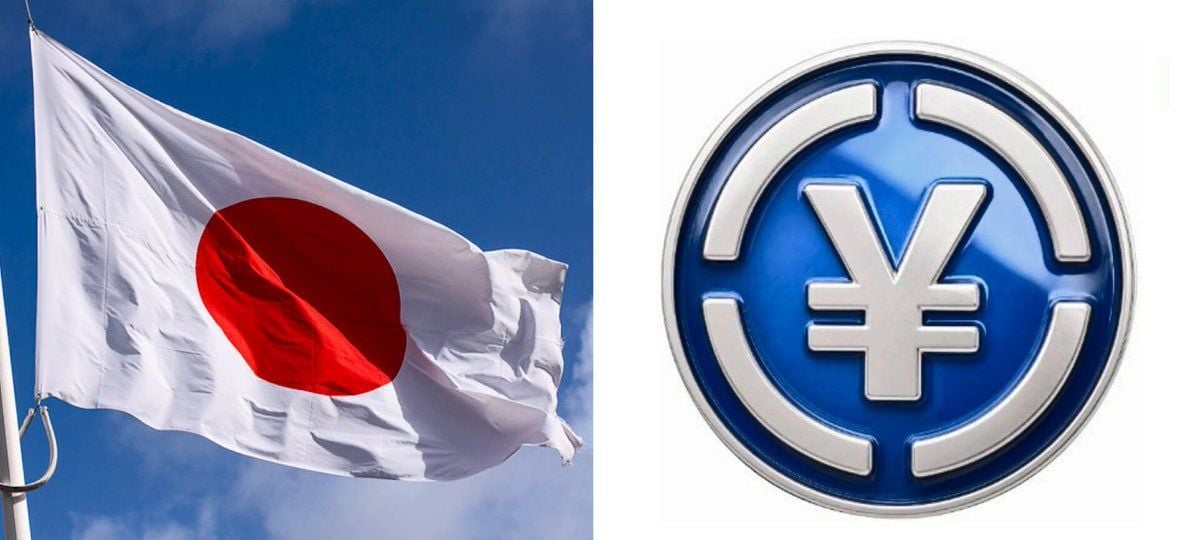
Japan marked a milestone in digital finance on June 24 with the launch of JPYSC, the country's first yen-denominated trust-type stablecoin. @StartaleGroupJP and SBI Group jointly developed th
A
AnonymousCryptoCompass newsroom
June 24, 2026
2 min read
NEWS
CryptoCompass editorial visual for policy coverage.
Japan marked a milestone in digital finance on June 24 with the launch of JPYSC, the country's first yen-denominated trust-type stablecoin. @StartaleGroupJP and SBI Group jointly developed the token to build regulated payment and liquidity infrastructure for institutional users.
Structure and Issuance
JPYSC is issued by SBI Shinsei Trust Bank and distributed through SBI VC Trade. The stablecoin is structured as a Type III Electronic Payment Instrument under Japan's regulatory framework, a classification that sets it apart from earlier retail-focused yen tokens. JPYSC is the first JPY stablecoin issued through Japan's trust bank framework, rather than under the prepaid payment instrument model used by predecessors.Startale Group signed a memorandum of understanding with SBI Holdings in December 2025 and is building the smart contracts and APIs that power JPYSC, with a focus on compliance systems designed to meet Japan's evolving regulatory standards.
Use Cases and Current Limits
JPYSC is designed for use in global settlements and tokenized asset transactions, two areas where a compliant, yen-based digital instrument could genuinely matter. Planned use cases also include cross-border remittances and institutional lending. Unlike existing yen tokens aimed at retail use, JPYSC focuses on global interoperability, connecting legacy banking systems with public blockchain networks to enable real-time, compliant digital yen transactions.
For now, access is limited to SBI VC Trade account holders. Public chain circulation is technically ready but awaits regulatory clearance, and external wallet transfers are not yet permitted. As Japan moves toward full implementation of updated stablecoin regulations, the launch of JPYSC may serve as an important test case for how regulated stablecoins can operate at scale within one of the world's largest financial markets.
Cardano currently offers probabilistic settlement rather than hard finality. An $ADA transaction becomes progressively safer as more blocks are added on top of it, but near-certainty can take
A 17% weekly climb in $HBAR is doing something most token price moves do not: it is quietly making transactions cheaper, at least in token terms. The reason sits inside Hedera's fee architect
Team Collects Millions as Token Rallies The team behind the Official Trump ($TRUMP) memecoin on Solana (contract: 6p6xgHyF7AeE6TZkSmFsko444wqoP15icUSqi2jfGiPN) sold tokens and collected 3.39