Kalshi Seeks Approval for 60 Perpetual Futures on Tesla, Nvidia and More
Key Facts Kalshi has filed to list 60 stock perpetual futures contracts, including Tesla, Nvidia and Apple. The filing follows the CFTC’s earlier approval of Kalshi’s bitcoin perpetual future
A
AnonymousCryptoCompass newsroom
September 12, 2026
3 min read
NEWS
CryptoCompass editorial visual for markets coverage.
Key Facts
Kalshi has filed to list 60 stock perpetual futures contracts, including Tesla, Nvidia and Apple.
The filing follows the CFTC’s earlier approval of Kalshi’s bitcoin perpetual futures contract.
Perpetual futures trade 24/7 with no expiry, a structure borrowed directly from crypto exchanges.
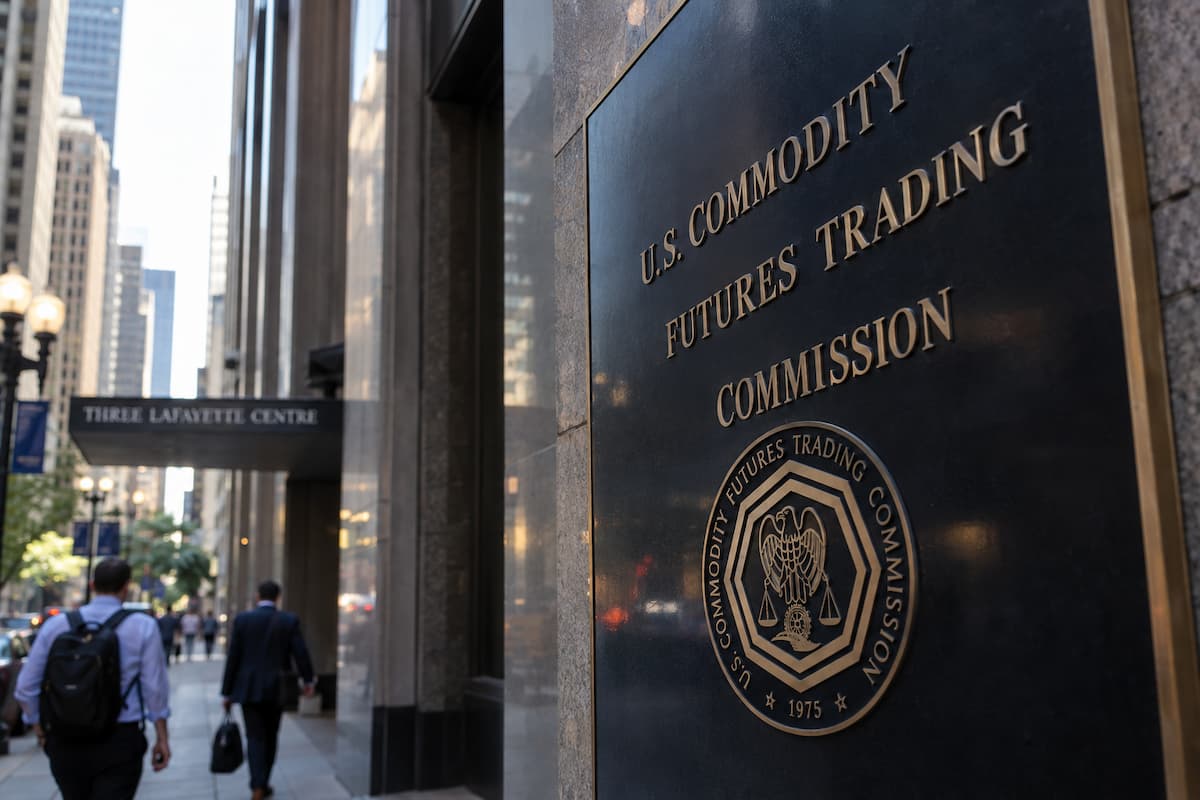
Kalshi has submitted a filing seeking approval to list 60 perpetual futures contracts tied to individual stocks, including Tesla, Nvidia and Apple, according to filings submitted to the Commodity Futures Trading Commission. The move extends a product structure that crypto traders have used for years, perpetual futures with no expiration date, into a market, single-stock derivatives, that has historically been walled off from that kind of instrument in the United States.
Why Perpetuals Are the Product Crypto Exchanges Built, Not TradFi
A perpetual future is a derivatives contract with no settlement date, kept anchored to the underlying asset’s price through a periodic funding payment between long and short positions rather than through expiry and rollover, the mechanism every traditional futures contract has relied on for a century. Crypto exchanges invented the widespread retail version of this structure because crypto trades continuously, with no market close, so a contract that never expires and never needs a Sunday-night rollover fit the asset class naturally. Kalshi’s own explainer on perpetual futures describes the same funding-rate mechanism crypto traders already recognize from that world.
Bringing that structure to Tesla and Nvidia means retail traders could get continuous, leveraged exposure to individual stocks outside the hours when the stock exchanges themselves are even open, something the existing options and futures market on those names does not offer in the same form. That is the actual product innovation here, not the leverage itself, since leveraged stock exposure already exists through options and margin. It is the always-on, expiry-free wrapper that is new to U.S. equities.
The Approval Kalshi Is Building On
This filing is not Kalshi’s first move into perpetuals. The CFTC’s approval of Kalshi’s BTCPERP contract established the regulatory template the exchange is now trying to extend across 60 individual equities at once. Whether the same reasoning that cleared a bitcoin perpetual applies just as cleanly to Tesla and Nvidia is the actual regulatory question the CFTC now has to answer, since stock-linked derivatives carry a different oversight history and different investor-protection assumptions than crypto-linked ones did.
If approved, the filing would mark one of the largest simultaneous expansions of perpetual-style products into traditional equities to date, and it would test how far a regulator willing to approve crypto perpetuals is willing to go once the underlying asset is a stock instead of a token.
The XLM price is getting a fresh boost in sentiment after U.S. Bank completed a live stablecoin transfer on the Stellar network. This wasn’t a small test from a startup. U.S. Bank, the fifth-
Key Takeaways Authorities found a remote crypto farm. Electricity theft remains the core allegation. Hardware does not identify the mined asset. Cartel and laundering links remain unproven. W
India’s corporate bond market, valued near $620 billion, is the target of a new tokenization pilot. Settlement is designed to run through India’s central bank digital currency, the digital ru