You can also read this news on BH NEWS: Kevin O’Leary Deems Stablecoins Safest Bet Amid Regulatory Advances Kevin O’Leary, a prominent U.S. investor, has categorized crypto assets by volatili
You can also read this news on BH NEWS: Kevin O’Leary Deems Stablecoins Safest Bet Amid Regulatory Advances
Kevin O’Leary, a prominent U.S. investor, has categorized crypto assets by volatility, regulation, and adoption metrics, describing stablecoins as the sector’s safest component currently. He noted that Bitcoin remains in a distinct class due to its higher volatility and speculative nature.
Stablecoins Benefit from Regulatory Framework
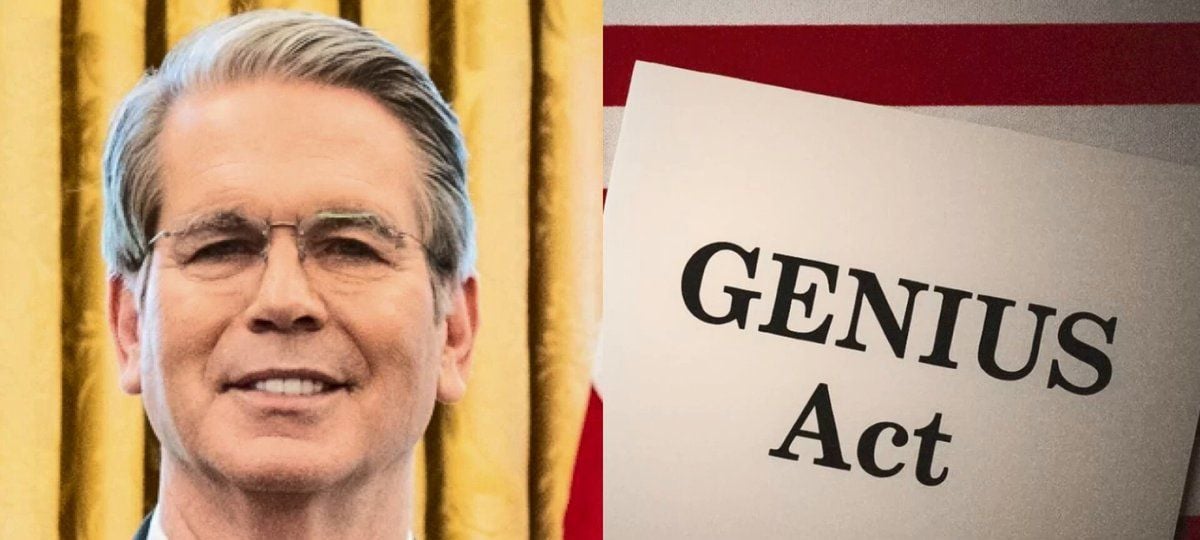
O’Leary highlighted the GENIUS Act, which implements a federal framework for payment-focused stablecoins in the United States, as a crucial advantage. The law, which came into effect in July 2025, mandates issuers to maintain reserves of suitable liquid assets. This regulatory clarity contrasts with other cryptocurrencies, which often face ambiguous rules.
Kevin O’Leary emphasized, “Stablecoins represent the safest area due to the new federal regulations in the U.S.”
However, stablecoins are not without risk. Their perceived safety depends on several factors, including reserve quality, issuer structure, and redemption conditions. This implies that price stability doesn’t inherently guarantee absolute security.
Bitcoin Retains Speculative Asset Status
O’Leary discussed Bitcoin under a separate category, indicating that the leading cryptocurrency is exposed to much sharper price movements. Institutional adoption has yet to gain full momentum due to persistent regulatory uncertainties.
O’Leary points out, “Bitcoin carries more risk and volatility, maintaining its status as a speculative asset.”
A significant factor in this discussion is the CLARITY Act, a legislative proposal that failed to muster sufficient support in the Senate this September. This development suggests that regulatory clarity across the broader U.S. crypto market might remain limited in the short term.
The Adoption Outlook for Ethereum and Blockchain Tokens
Evaluating Ethereum and other blockchain tokens, O’Leary focused on technological applicability. He noted that the future of these assets will be determined more by their real-world use and institutional acceptance than by price movements. According to him, as blockchain-based tokens find more use cases, they could establish a more concrete presence akin to enterprise software.
The need for vigilant monitoring of various market layers becomes apparent, especially in high-volatility areas. In the meme token market, an internet trend can quickly garner millions of dollars’ worth of interest. As evidenced by the Fomo App data, a tradesman turned an initial $99 investment into approximately $370,000, exemplifying this volatility. Tracking not just prices but also investor activity is crucial, as demonstrated by platforms like Fomo App, which integrates token exploration and trading.
O’Leary’s analysis reveals that a uniform risk assessment is insufficient in the crypto market. While stablecoins benefit from regulatory clarity, Bitcoin stands out for its high volatility, and the real determinant for Ethereum and similar tokens is likely to be their adoption extent.
Continue Reading:
Kevin O’Leary Deems Stablecoins Safest Bet Amid Regulatory Advances