Key points On November 18, 2026, Ledger confirmed tampered hardware wallets fitted with a seed implant that can be traced to Berlin. Anyone who has bought a Ledger device in Berlin from a thi
Key points
- On November 18, 2026, Ledger confirmed tampered hardware wallets fitted with a seed implant that can be traced to Berlin.
- Anyone who has bought a Ledger device in Berlin from a third-party seller since January 2026 is asked to contact Ledger support.
- According to Bitquery, around $1.68 million left 16 wallets in Dubai and Berlin; Ledger itself has not confirmed any loss figure.
The Ledger device implant has reached Germany. In an update to its ongoing investigation, the French manufacturer reports that a number of tampered devices have turned up in Berlin. Anyone who has bought a Ledger device there since January 2026 from a retailer or reseller, rather than directly from the manufacturer, may be affected. For them the advice is clear: stop using the device, do not set up a new wallet on it and contact support. According to the company, there is no confirmed case so far involving a device ordered directly from ledger.com.
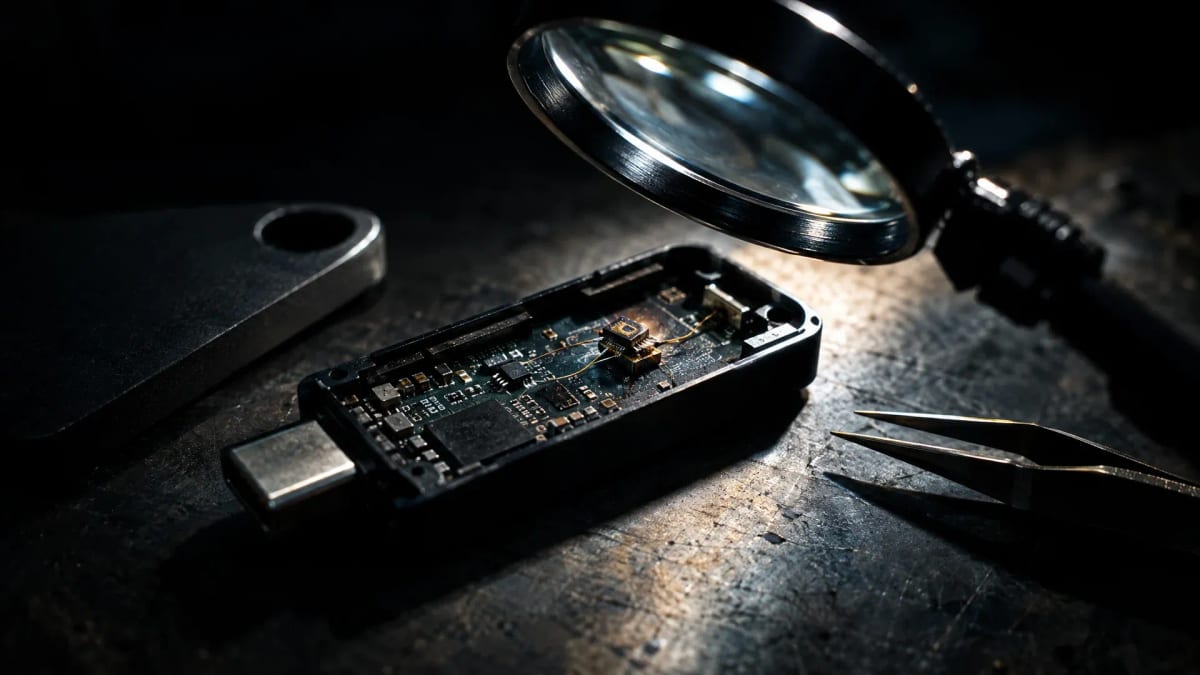
A hardware implant is an extra component fitted into a device after manufacture. It captures data without the device's own software noticing. In Ledger's case it targets the recovery phrase, the 24 words from which any wallet can be fully restored. Whoever knows those words can move the coins from any other device.
Ledger implant in Berlin: what the company confirmed on November 18
Ledger published its new findings on Wednesday, November 18, 2026, as an update to its investigation into the hardware implant (Ledger support, investigation update). According to consistent accounts by The Block and BTC-ECHO, the devices examined carry the same physical modification as the cases from Southeast Asia. The implant is designed to read the recovery phrase while the device is being set up; BTC-ECHO also mentions the optional passphrase.
Ledger states that there is no vulnerability in its secure element or operating system, and no confirmed case involving a device bought through ledger.com.
Ledger, update on the hardware implant investigation, November 18, 2026, as reported by The Block
Besides Berlin, Ledger is examining reports of two tampered devices in Dubai and investigating how they entered circulation. The company expects that more devices may be found, but overall speaks of a small number. None of the reports says which models are affected in Berlin. From Southeast Asia, one case involving the newer Ledger Nano Gen5 is known. Ledger has not named a Berlin retailer.
For buyers in Germany this is a new situation. In October, Ledger had said that its own teams bought and opened devices from shops in several markets, Germany among them, and found only clean units. MediaMarkt and Saturn had halted sales of Ledger devices as a precaution on October 13 after a customer in Germany raised the alarm; the details are in our earlier report on the sales halt at MediaMarkt and Saturn.
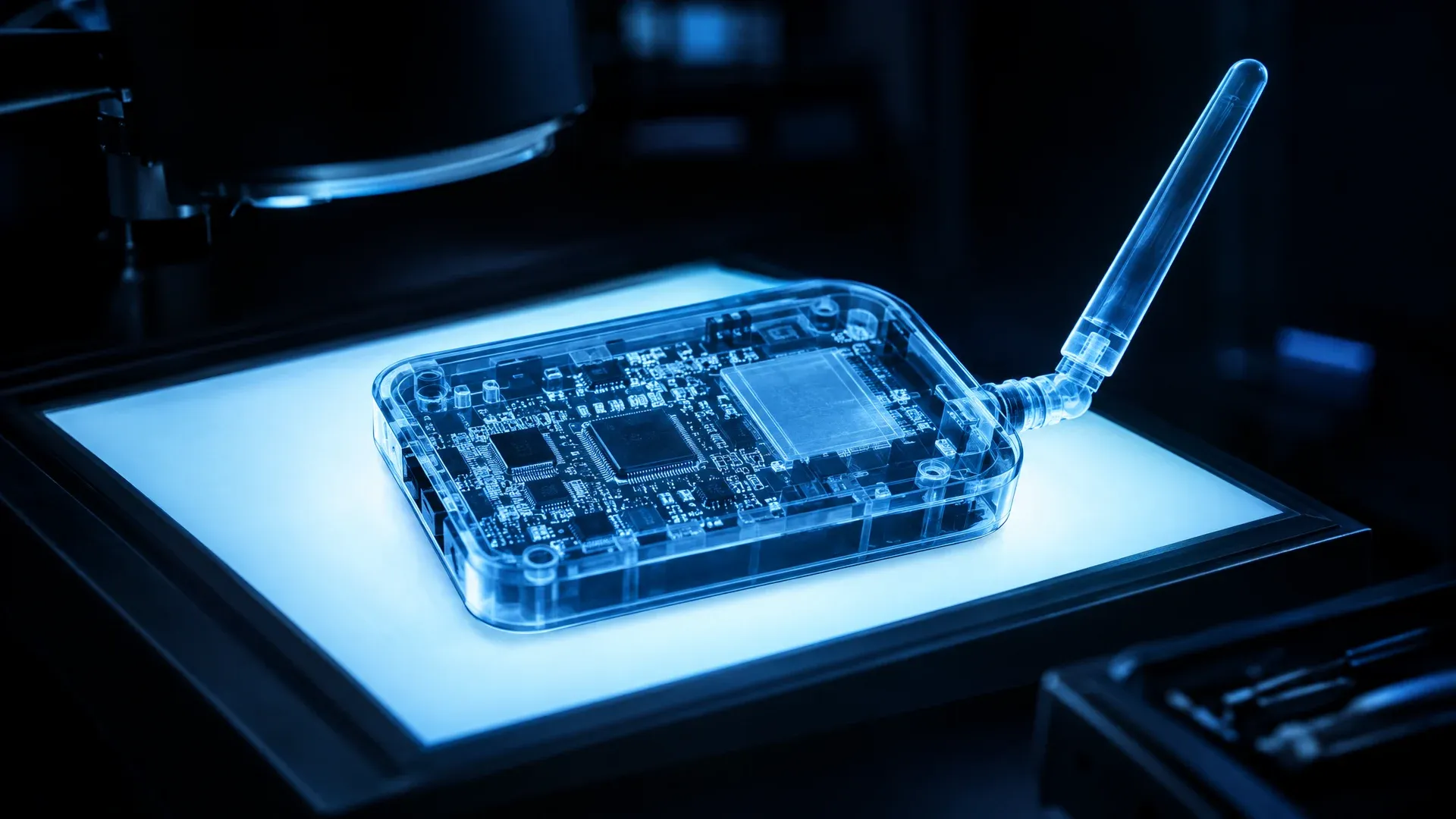
What looks unremarkable from the outside only shows up under X-ray: this is exactly how a hardware implant works.
How the seed implant captures the recovery phrase
The attack does not target the chip but the supply chain. According to Ledger's account of October 15, a criminal group spent months buying genuine devices, opening them, fitting additional components and returning them to the market through resellers. The buyer therefore receives a genuine Ledger with genuine firmware, in which a second component is listening in.
The critical moment is setup. The device generates the 24 words and displays them so they can be written down. That is when the implant captures the phrase and passes it on. According to Ledger, the group built its own servers for the harvested phrases and later drained the wallets in a coordinated operation. The authenticity check in Ledger's software does not raise an alarm, because the secure element itself remains unchanged.
That also explains why the problem cannot be fixed with a firmware update. A recovery phrase that has already leaked stays compromised, whatever software runs afterwards. The only protection is a new phrase on a device whose origin is established.
Southeast Asia, Dubai, Berlin: how the supply-chain attack spread
The case began in October in Southeast Asia. Users there reported unexplained outflows from their wallets; those affected were customers of the authorised reseller CryptoBilis. Ledger then asked its retailers and distributors in Southeast Asia and Hong Kong to suspend sales. Our analysis from October is in the article Ledger confirms implant in hardware wallet.
So far, the only loss figures come from third parties. According to The Block, the blockchain data provider Bitquery put the outflows from the Southeast Asian campaign at around $102 million from 335 wallets. For the new cases in Dubai and Berlin, Bitquery cites around $1.68 million from 16 wallets. Two users on X say they bought from an authorised retailer in Dubai and together lost around $604,000, roughly 1,300 SOL and 507,000 USDT. The Block points out that these claims have not been independently verified. Ledger has not confirmed any loss figure.
Ledger had already tightened its rules for retailers in October. Returned devices may not be resold in any form, even if they appear new and unopened. Ledger products are no longer meant to sit openly on the shelf but are to be handed out from the stockroom at the till. Retailers must report complaints about suspicious devices immediately. The reports do not say whether these rules were already in force in Berlin when the tampered devices were sold.
Anyone who would rather not keep part of their coins in their own wallet until a new device arrives should choose an exchange with a MiCA licence; our comparison of regulated crypto exchanges shows which providers are regulated. This is a stopgap and no substitute for self-custody.
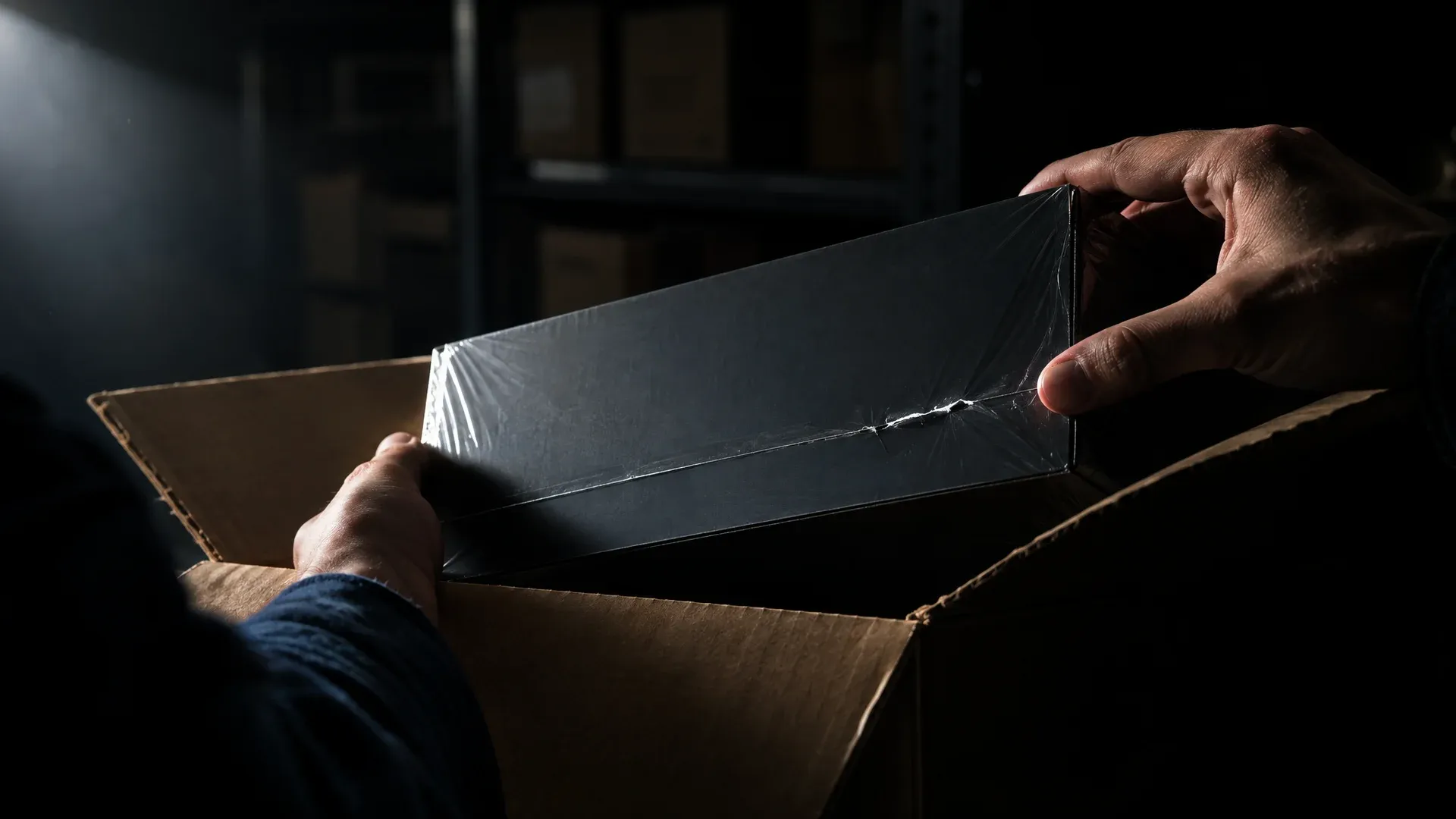
Freshly sealed film says little about what is inside: the attack ran through devices that had been returned to the market.
X-ray inspection in Vierzon: what Ledger offers affected buyers
For buyers who are unsure, Ledger offers a time-limited inspection, according to BTC-ECHO and Decrypt. After a report to the local authorities, devices can be examined at the Ledger factory in Vierzon, France, including by X-ray analysis. The process runs through support; none of the reports gives a deadline. Anyone with a suspicious device should therefore not open it themselves, because a case that has been unscrewed makes the later examination harder.
What rights buyers have against the retailer if a device was tampered with is set out in our guide Tampered hardware wallet bought in a shop.
How to protect yourself from tampered hardware wallets sold through resellers
What happened: On November 18, 2026, Ledger confirmed a number of tampered devices that can be traced to Berlin. A component fitted after manufacture reads the recovery phrase during setup. According to Bitquery, around $1.68 million left 16 wallets in Dubai and Berlin (as of November 18, 2026, not confirmed by Ledger).
Are you affected? Any Ledger device you have bought in Berlin from a third-party seller since January 2026, in other words not directly on ledger.com, should be treated as suspect. On current information, devices from the Ledger store are not affected. Ledger has not published which retailers and models are affected in Berlin; a tampered device cannot be recognised from the outside.
- Take the device out of use: Do not set up a new wallet on a Ledger bought in Berlin from a third party since January, and do not open the case.
- Contact support: Report the purchase via the support page on ledger.com, with the date of purchase, the retailer and the receipt.
- Move your coins: Generate a new recovery phrase on a device bought directly from the manufacturer and transfer all holdings to it before someone else does.
- Abandon the old phrase: Never use the old 24 words again, not as a secondary wallet and not with a new passphrase either.
- Fend off phishing: Never hand the recovery phrase to support, a retailer or an inspection service; Ledger says it never asks for it.
The basics of safe storage are explained in our guide How to store crypto safely; suitable devices are compared in the hardware wallet comparison.
Ledger implant: Berlin purchases since January now need checking
The investigation is not over. Ledger itself expects further finds, and it is still unclear through which retailer the Berlin devices entered circulation. For investors in Germany, however, the situation has changed in a concrete way: the risk is no longer just a Southeast Asian story but concerns purchases in a major German city.
- Check the receipt: if your device comes from Berlin, from a third-party seller, and was bought since January 2026, treat it as suspect and plan the move to a new device; models and prices are compared in the hardware wallet comparison.
- Secure the transition: until the new device arrives, part of your holdings can sit with a provider holding a MiCA licence; the options are listed in the comparison of regulated crypto exchanges.
- Buy direct in future: order hardware wallets from the manufacturer or a retailer listed there, and always generate the recovery phrase yourself; the devices that qualify are also listed in the hardware wallet comparison.
(As of November 20, 2026. This article is not investment advice. Prices and fee structures change; check the terms with the provider before you buy.)