How Litecoin Utility Improves Everyday Transactions Litecoin's been around since 2011, which makes it one of the old-timers in crypto that's still going strong. Charlie Lee, a guy who used to
How Litecoin Utility Improves Everyday Transactions
Litecoin's been around since 2011, which makes it one of the old-timers in crypto that's still going strong.
Charlie Lee, a guy who used to work at Google, built it as a quicker, lighter version of Bitcoin. In the course of time, Litecoin has become much more than a coin for speculating about profits.
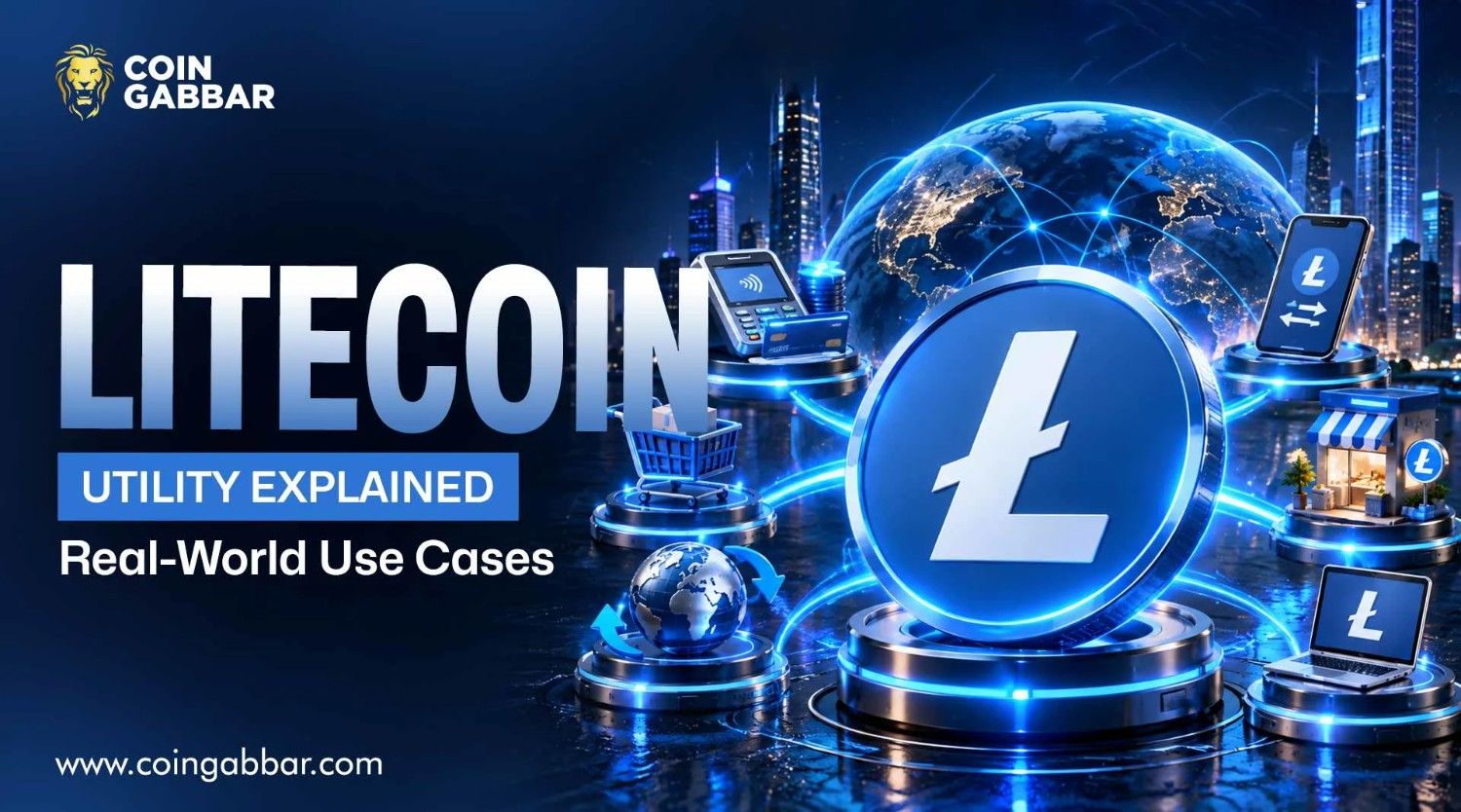
And that is pretty much all the essence of Litecoin Utility. While many coins exist just to be speculated on and bought/sold, Litecoin Utility is seen as where it really matters in payments and transfers.
Litecoin Utility Features That Truly Set It Apart
What's the big deal with Litecoin Utility anyway? A few things stand out. It's quick; new blocks show up about every 2.5 minutes, roughly four times faster than Bitcoin.
Fees are next to nothing too, usually just a few cents per transfer, which makes Litecoin Utility solid whether someone's sending five bucks or five thousand.
And the network itself has never had a major hack or outage since it launched. Add it all up, and it's easy to see why Litecoin Utility keeps outpacing a bunch of other coins doing the same job.
How Litecoin Works
Litecoin has its own blockchain, separate from Bitcoin, though the two work in pretty similar ways.
It runs on proof-of-work, meaning miners crunch through tough math problems to check transactions and add fresh blocks. The mining side uses something called Scrypt, which got picked early on so regular computers could mine too, not just fancy specialized machines.
Crypto mining gear eventually got more advanced anyway, but the network stayed fast and steady the whole time. That solid groundwork is a big reason Litecoin Utility still holds its own against newer coins trying to catch up.
How This Coin Powers Real-World Payments in Crypto
Litecoin isn't just some idea sitting on paper; people actually pay with it. Online stores, payment companies, and even a handful of physical shops take it.
Big names like BitPay support Litecoin because it settles quickly and cheaply. This is where Litecoin Utility really earns its keep: instead of just sitting in a wallet collecting dust, it moves money from one person to another in a few minutes flat.
How Litecoin Utility Improves Everyday Transactions
Sending money through a regular bank, especially across countries, can drag on for days and cost a good bit in fees.
Litecoin Utility flips that on its head. Something that might take a bank three to five business days can happen with Litecoin in minutes, usually for under ten cents.
That's a game-changer for freelancers getting paid from clients abroad, small businesses working with overseas suppliers, or families wiring money back home. Litecoin Utility takes a process that used to be slow and expensive and makes it fast and nearly free.
Top Litecoin Utility Use Cases
Here's a look at how people actually put Litecoin to work day to day:
Cross-border remittances: Sending cash to family overseas without banks taking a big cut.
Merchant payments: Buying things from stores that accept crypto.
Peer-to-peer transfers: Paying back a friend or splitting a bill on the spot.
Trading pairs on exchanges: Litecoin often works as a middleman for trading other coins.
Micropayments: Tipping creators or sending tiny amounts online without fees eating it all up.
Every one of these shows a different angle of Litecoin Utility, proving this coin isn't a one-trick pony.
Why Litecoin Utility Continues to Grow Every Year
Litecoin's adoption keeps climbing year after year, and it's not by accident. A big chunk of that comes from reliability; it's been running smoothly for over a decade, and it's backed by nearly every major exchange, crypto wallet, and payment platform around.
Trust matters here too. People know this coin isn't going anywhere. As more businesses hunt for something stable, fast, and cheap to accept, Litecoin Utility keeps ending up on the shortlist. That kind of steady, year-over-year growth is hard for a lot of newer coins to pull off.
Real-World Examples of Litecoin Utility in Action
Plenty of real-life cases show Litecoin is more than just something to trade. Twitch streamers and content creators have taken Litecoin tips for years thanks to the low fees.
Big companies (through third-party processors) and various online retailers have accepted it for purchases. Even charities have started taking donations in Litecoin, because lower fees mean more of the actual gift reaches the cause instead of getting eaten up along the way.
These are everyday moments of Litecoin Utility quietly doing its thing in the background.
Litecoin Utility and Its Role in Digital Finance
Digital finance keeps growing, and coins that are both fast and dependable tend to have staying power.
Litecoin Utility comes perfectly handy in this case, almost serving as a liaison between traditional payment methods and new cryptocurrencies.
On many cryptocurrency exchanges, Litecoin acts as a liaison currency, allowing traders to swap the values between different cryptocurrencies without having to withdraw cash out of their accounts.
This aspect is mostly invisible to people and goes unnoticed, yet it plays an important role in keeping digital finance work effective.
Litecoin Utility Outpacing Monero, Dogecoin, BCH, and Zcash
Put Litecoin side by side with other coins built for similar purposes, and it usually wins out on real, everyday use:
Monero is all about privacy, which makes it great for anonymous transactions, but that same focus makes life harder when it comes to getting listed on regulated exchanges or accepted by cautious merchants.
However, Dogecoin began as a joke and still has a fanbase, but it hasn't matched the merchant integrations and technological developments Litecoin has achieved over time.
Bitcoin Cash (BCH) was created with an intention of fitting in many transactions per block; however, it has experienced a number of forks within its community, in addition to being slower than Litecoin in terms of development.
Zcash has features that allow for optional privacy, but it hasn't received as many merchant integrations as Litecoin has.
Line them all up, and Litecoin Utility keeps showing stronger real-world use, wider merchant support, and steadier network activity.
That's not to say the other coins are worthless; it just explains why Litecoin has managed to stay relevant for over a decade while plenty of newer coins have come and gone.
Why Litecoin Utility Is Driving Crypto Adoption Worldwide
Litecoin keeps turning up in the spots that actually matter for everyday adoption exchange listings, payment apps, remittance services, and crypto checkout systems at stores. Its low fees make it a solid fit for people in developing countries, where high transaction costs can wipe out a big chunk of small payments.
Its speed works great for businesses that can't wait around for days to get paid. And its long track record has earned the kind of trust that newer coins simply haven't had the time to build yet.
Put together, that's why Litecoin Utility keeps spreading into more countries and more industries every year.
Conclusion
Year after year, Litecoin keeps proving it's more than just a number bouncing around on a price chart.
It's a working piece of digital payment infrastructure that real businesses, real people, and real platforms lean on. Stack it up against Monero, Dogecoin, BCH, and Zcash, and Litecoin Utility stands out for its mix of speed, low cost, and a network that's never let anyone down.
As crypto adoption keeps spreading around the world, coins that offer real, practical use, not just hype, tend to be the ones that stick around. With its steady utility, Litecoin looks set to keep that streak alive.
Disclaimer
This article is for general information and educational purposes only. It should not be treated as financial, investment, or trading advice of any kind. Cryptocurrency markets, including Litecoin and other digital assets, are highly volatile and carry real risk, and prices can go up or down without warning. Anyone considering buying, holding, or trading Litecoin or any other cryptocurrency should do proper research and speak with a qualified financial advisor before making decisions. Past performance or adoption trends mentioned here do not guarantee future results.