Mastercard is adding regulated stablecoins to the way its card network settles money, and Solana is one of the chains it chose to run them on. In a June 3 announcement, Mastercard said it is
Mastercard is adding regulated stablecoins to the way its card network settles money, and Solana is one of the chains it chose to run them on.
In a June 3 announcement, Mastercard said it is expanding its settlement options to add intraday, weekend, and holiday card settlement, alongside on-chain settlement using regulated stablecoins. The options run alongside Mastercard's existing processes and give the banks that issue and acquire its cards more control over how and when funds move.
Related: Solana adds native subscriptions and recurring payments to its blockchain
Why Solana made the list
Solana is one of eight networks Mastercard will support, and its inclusion tracks its rise as the busiest chain for stablecoin payments.
Solana cleared roughly $832.7 billion in stablecoin transfer volume in the first quarter of 2026, about 76% of all activity on the network, according to Solana's ecosystem data drawn from analytics providers including Artemis and Token Terminal.
In February alone it processed around $650 billion in stablecoin volume, the highest monthly figure of any blockchain that month.
By transaction count, Solana now handles roughly 35% of all on-chain stablecoin transfers globally, ahead of every individual Ethereum layer-2. Median fees sit near $0.0004 and blocks confirm in roughly 400 milliseconds. Financial firms including Visa, PayPal, Stripe, Western Union, and Fiserv already run live payment activity on the network, not pilots.
Trending on TheStreet Roundtable:
The stablecoins and the chains
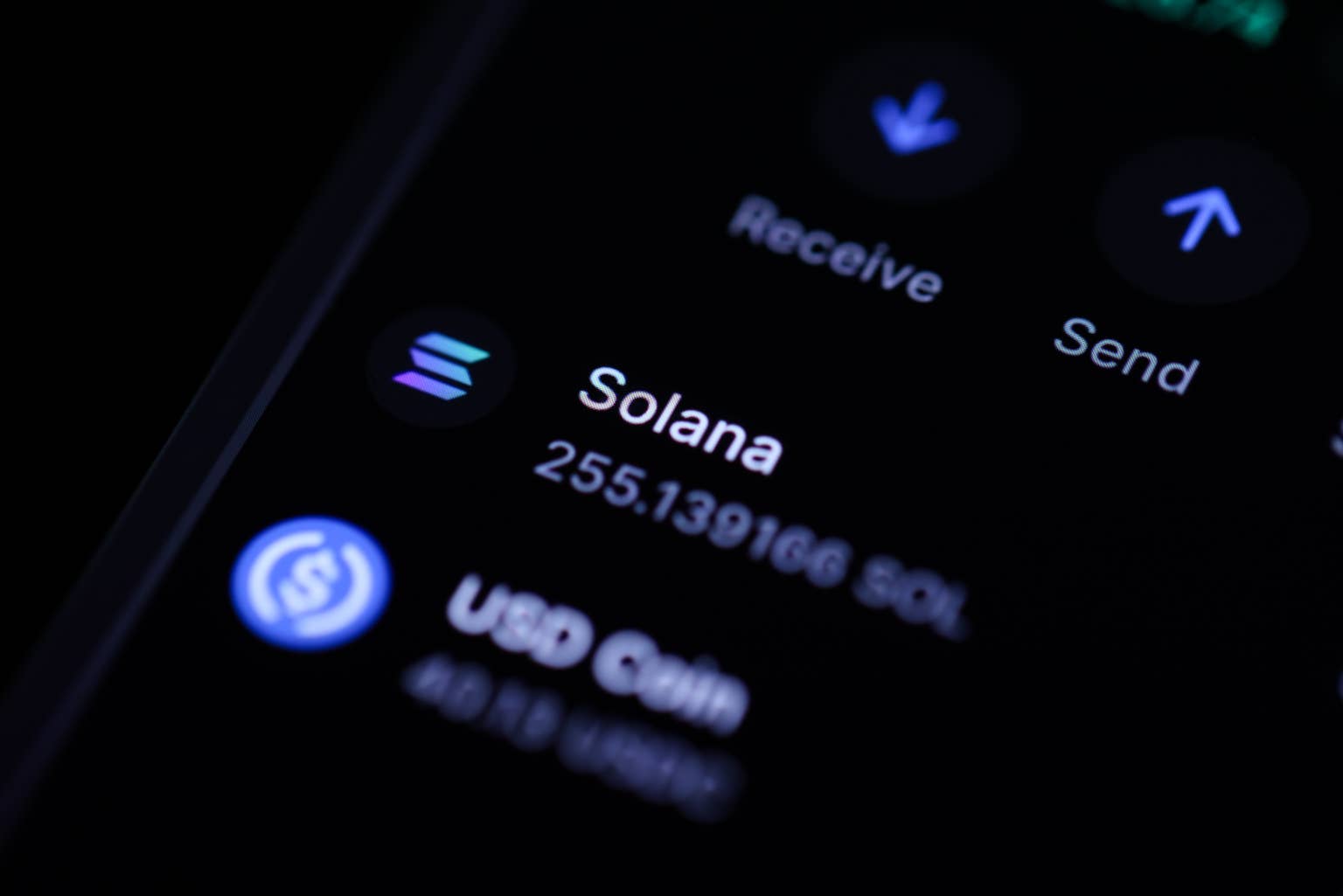
Mastercard will support settlement in Circle's USDC, which it said is already powering early on-chain settlement flows in select markets, along with Paxos-issued PYUSD, USDG, and USDP, Ripple's RLUSD, and SoFi's SoFiUSD.
Those stablecoins will be enabled across eight blockchains: Arbitrum, Base, Canton, Ethereum, Polygon, Solana, Tempo, and XRPL.
"The next phase of stablecoin adoption is about real-world utility, especially in settlement, where timing and liquidity matter most." said Raj Dhamodharan, Executive Vice President, Blockchain and Digital Assets, Mastercard
Trending on TheStreet Roundtable
Solana's institutional push
Mastercard's choice adds to a run of institutional activity on Solana.
On March 24, the Solana Foundation launched the Solana Developer Platform, a single interface that helps large enterprises and financial institutions build payment products on the chain through simplified APIs. Mastercard joined that platform to explore stablecoin settlement, and payments processor Worldpay is using it for merchant payments and settlement.
Mastercard said the new settlement options sit on the same global infrastructure partners already use, keeping existing security standards, fraud safeguards, and dispute processes in place. As of December 31, 2025, there were 3.7 billion Mastercard and Maestro cards in circulation across more than 200 countries and territories.
Mastercard said it will keep rolling the capability out globally through 2026, subject to regulation, adding more regions, partners, and regulated stablecoins over time.
Related: Ava Labs joins Mastercard program to transform global payments