BitcoinWorld Michael Saylor: Altcoin Competition Erodes Monetary Premium, Utility Becomes Key MicroStrategy founder Michael Saylor has issued a pointed assessment of the altcoin market, argui
BitcoinWorld Michael Saylor: Altcoin Competition Erodes Monetary Premium, Utility Becomes Key
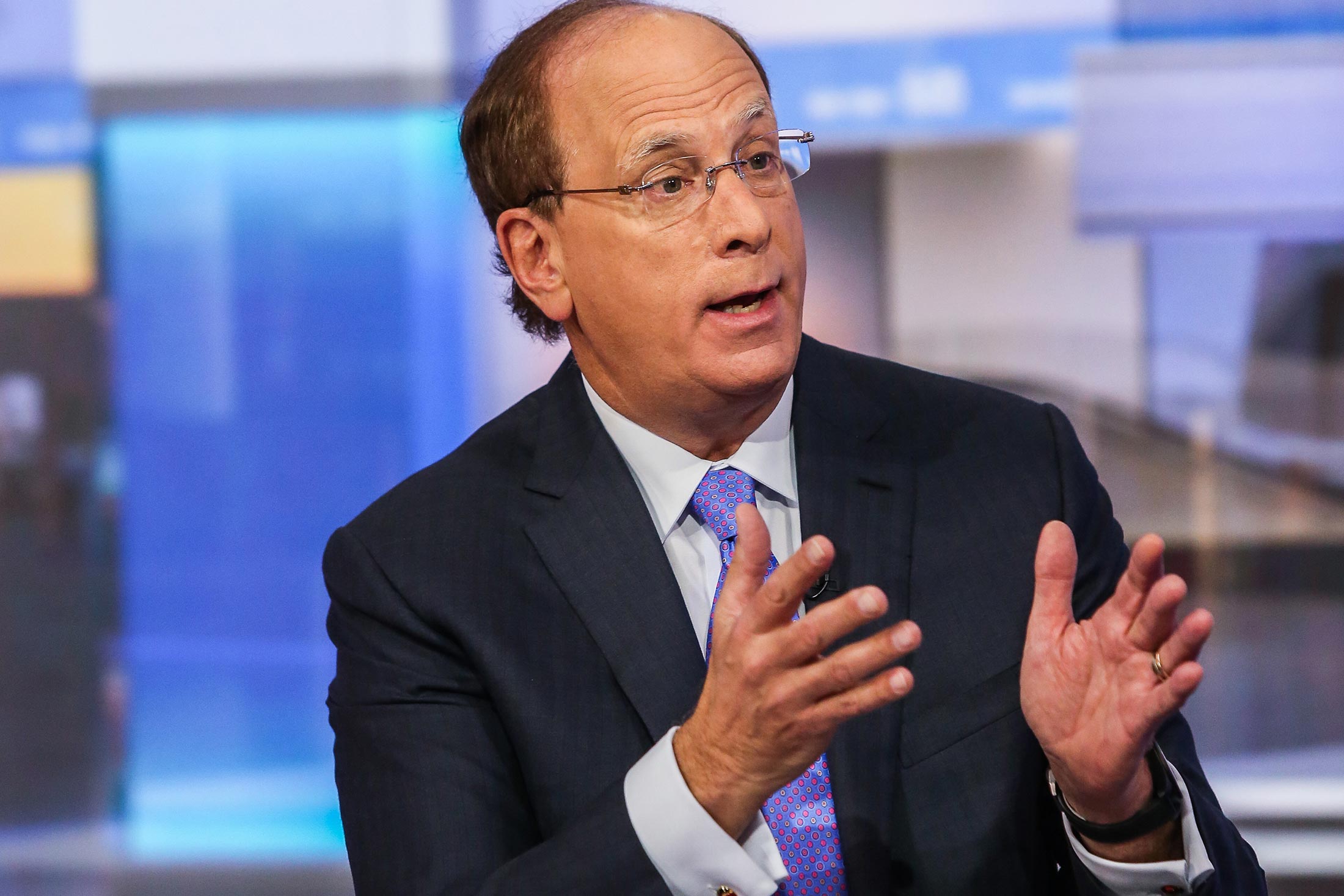
MicroStrategy founder Michael Saylor has issued a pointed assessment of the altcoin market, arguing that intensifying competition among digital assets is systematically eroding the monetary premium they once commanded. Speaking in a recent interview covered by ChainCatcher, Saylor suggested that the future value of alternative cryptocurrencies will increasingly hinge on their practical utility rather than their store-of-value characteristics.
The Diminishing Monetary Premium of Altcoins
Saylor’s commentary centers on a concept long debated in crypto circles: monetary premium — the extra value an asset holds simply because people trust it as a form of money, beyond its functional use. For years, several altcoins traded at valuations partly driven by this premium, with investors treating them as digital gold alternatives alongside Bitcoin. However, Saylor argues that this dynamic is breaking down as the market becomes crowded with competing platforms, each vying for developer mindshare and user adoption.
The competitive landscape is no longer a two-horse race. Saylor specifically highlighted the ongoing battle for dominance among Ethereum, Solana, and BNB — three of the largest smart contract platforms by market capitalization. Each offers distinct trade-offs in scalability, security, and decentralization, but none has yet established an unassailable lead. This fragmentation, in Saylor’s view, dilutes the monetary premium any single altcoin can sustain.
Market Shifts: Sui, Hyperliquid, and Changing Narratives
Adding weight to Saylor’s thesis are recent market developments. The narrative surrounding Sui, once touted by some as the ‘next Solana,’ has notably collapsed as the token failed to maintain momentum amid broader market headwinds. Meanwhile, market interest has visibly rotated toward Hyperliquid, a decentralized exchange and layer-1 blockchain that has captured attention with its high-performance trading infrastructure. These rapid shifts in market focus underscore the fragile nature of altcoin narratives.
For context, Sui launched in 2023 with significant backing from Mysten Labs, composed of former Meta engineers. Its early promise drew comparisons to Solana’s rise in 2021, but a combination of lukewarm DeFi adoption and fierce competition from established chains has stalled its ascent. Hyperliquid, by contrast, has gained traction by offering a purpose-built platform for on-chain perpetual futures trading, attracting users seeking low-latency execution.
Why This Matters for Crypto Investors
Saylor’s argument carries weight because it comes from one of the most influential institutional voices in Bitcoin adoption. MicroStrategy holds over 214,000 BTC, making Saylor a vocal advocate for Bitcoin as the only true digital commodity. His critique of altcoins reinforces a long-standing Bitcoin-maximalist perspective: that only Bitcoin possesses the network effects, security, and brand recognition to maintain a durable monetary premium.
For retail and institutional investors alike, the implication is clear. The days of betting on any altcoin to become ‘the next Bitcoin’ may be numbered. Instead, the value of tokens like Ethereum, Solana, and BNB will increasingly be tied to their actual usage metrics — transaction volumes, total value locked, developer activity, and real-world application. Speculative premiums based on narrative alone are becoming harder to sustain.
Conclusion
Michael Saylor’s latest remarks add to a growing chorus of analysts questioning the long-term value proposition of altcoins in an increasingly saturated market. While platforms like Ethereum and Solana continue to host significant economic activity, the erosion of monetary premium suggests that investors should scrutinize fundamentals more closely. As competition intensifies, utility — not hype — may become the ultimate arbiter of value in the altcoin space.
FAQs
Q1: What does ‘monetary premium’ mean for cryptocurrencies?Monetary premium refers to the additional value an asset holds because it is trusted as a form of money or store of value, beyond its functional utility. For altcoins, this premium has historically been driven by speculation and network effects.
Q2: Which altcoins did Michael Saylor specifically mention?Saylor cited Ethereum, Solana, and BNB as being locked in a fierce battle for dominance. He also referenced the collapse of Sui’s narrative as the ‘next Solana’ and the market’s shift toward Hyperliquid.
Q3: Is Michael Saylor predicting the end of all altcoins?No. Saylor argues that the monetary premium of altcoins is weakening, not that they will disappear. He believes their future value will depend on actual utility rather than speculative store-of-value properties.
This post Michael Saylor: Altcoin Competition Erodes Monetary Premium, Utility Becomes Key first appeared on BitcoinWorld.