NEAR Protocol Deploys NIST-Approved Post-Quantum Signing NEAR Protocol has activated quantum-safe signing on mainnet as part of network upgrade 2.13, making it one of the first Layer-1 blockc
A
AnonymousCryptoCompass newsroom
July 21, 2026
2 min read
NEWS
CryptoCompass editorial visual for altcoins coverage.
NEAR Protocol Deploys NIST-Approved Post-Quantum Signing
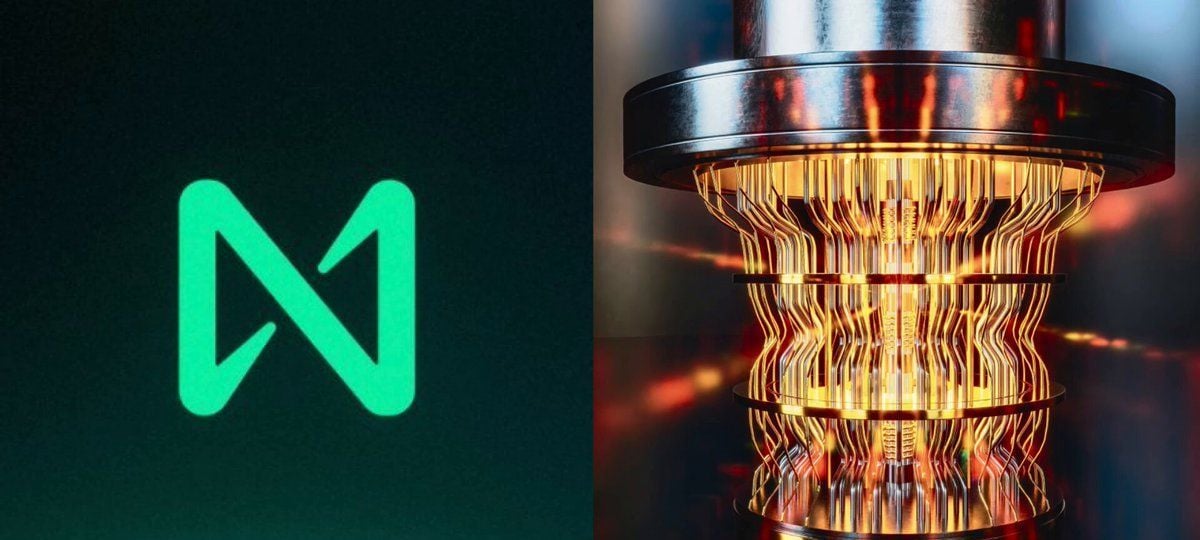
NEAR Protocol has activated quantum-safe signing on mainnet as part of network upgrade 2.13, making it one of the first Layer-1 blockchains to ship a NIST-approved post-quantum signature scheme in a live production environment. The upgrade adds quantum-safe signing through the NIST-approved FIPS-204 (ML-DSA) scheme alongside dynamic resharding, a scalability enhancement that enables the protocol to automatically scale as network demand grows.
The team chose FIPS-204 (ML-DSA, formerly known as CRYSTALS-Dilithium), a lattice-based digital signature algorithm formally standardized by NIST in August 2024 as part of the agency's first batch of post-quantum cryptography standards.The upgrade allows account holders to migrate to post-quantum cryptography through a single on-chain transaction without transferring assets or changing account addresses.
The urgency behind the move is hard to ignore. Google's Quantum AI team has published research on the risk to cryptocurrency directly, with an estimated $470 billion of Bitcoin at risk. A U.S. executive order issued in June 2026 also requires federal agencies to transition high-value systems to post-quantum cryptography by the end of the decade, with digital signature migration scheduled for completion by 2031.
Automatic Resharding Removes a Key Bottleneck
The second major component of the 2.13 upgrade addresses scalability. NEAR's sharded architecture previously scaled horizontally by adding shards, but each addition required a full protocol upgrade involving weeks of validator coordination, a vote, and a staged rollout. Dynamic resharding now enables the network to automatically scale by splitting shards without validator votes or manual upgrades.
On blockchains like Bitcoin and Ethereum, addresses are derived from keypairs tied to breakable cryptography, so migrating to a new signing scheme means migrating the address itself. NEAR accounts are decoupled from cryptography: since mainnet launched in 2020, NEAR has used human-readable account IDs controlled through rotatable access keys, not bound to a single keypair. This architectural choice is what makes the migration comparatively straightforward for NEAR users.
NEAR is also actively working with hardware and software wallet builders, including Ledger, on bringing post-quantum support to the market.
Grass Airdrop Season 2 Claim: Who Controls Revenue Behind Ecosystem? The Foundation has explained how its ecosystem is built and where its money flows. Its main claim is simple. Value created
XRP enters October 2026 after three consecutive months of gains, giving crypto analyst Egrag Crypto an unusual pattern to examine. The analyst compared XRP’s previous October performances wit
XRP’s liquidity profile has changed noticeably in 2026, with CoinGecko data showing that buy-side depth now outweighs sell-side liquidity across eight major exchanges. The chart shows roughly