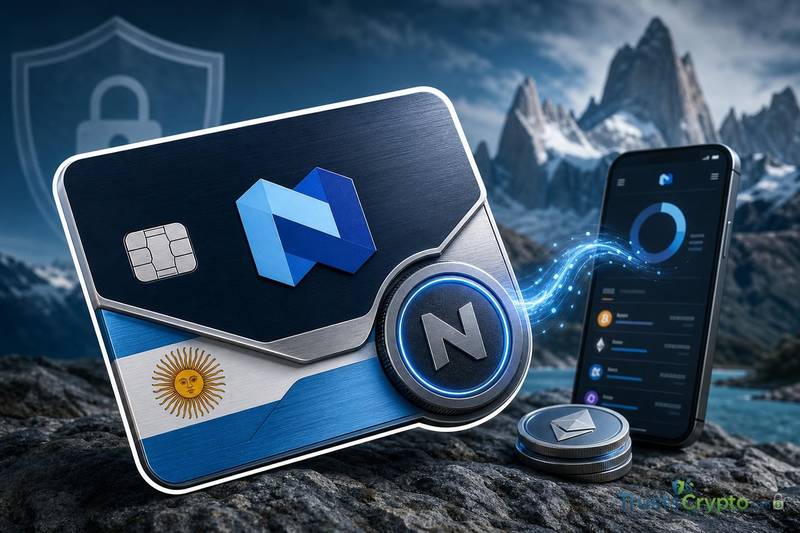
Nexo has launched its crypto card in Argentina, giving users a way to spend digital assets and borrow against their holdings without selling them. The rollout marks the platform's latest push
Nexo has launched its crypto card in Argentina, giving users a way to spend digital assets and borrow against their holdings without selling them. The rollout marks the platform's latest push into Latin America.
The card combines two functions that crypto holders typically access through separate products: direct spending at merchants and credit lines backed by crypto collateral. Nexo positions the product as a way for users to maintain exposure to their digital assets while still accessing liquidity for everyday purchases. For related coverage, see Beldex BNS Marketplace Launches for Blockchain Names.
How spending and borrowing work together
Traditional crypto debit cards require users to convert tokens into fiat at the point of sale, triggering a taxable event and removing exposure to future price appreciation. Nexo's card takes a different approach by allowing users to spend against their crypto portfolio or draw credit lines collateralized by their holdings. For related coverage, see South Africa Applies Existing Asset Tax Rules to Crypto.
The borrowing component lets cardholders access funds without liquidating positions. This model appeals to holders who want to use the value stored in their portfolios for real-world payments while keeping their long-term crypto allocations intact. Nexo has previously expanded this credit model, including zero-interest credit offerings for BTC and ETH holders. For related coverage, see Hyper Foundation Launches $10M Grant Program for USDH-to-USDC Migration.
The distinction matters for users who view crypto as a savings vehicle rather than a spending currency. Borrowing against holdings lets them defer selling decisions while still tapping into stored value.
Why Argentina matters for this launch
Argentina is not a random market choice. The country has one of the highest crypto adoption rates in Latin America, driven by persistent currency instability and capital controls that push residents toward alternative financial tools. Nexo's broader expansion into Latin America reflects growing demand for crypto-linked financial services across the region.
For Argentine users, a card that enables spending without forced liquidation addresses a practical need. Holding crypto as a hedge against peso depreciation is common, but accessing that value for daily expenses has historically required selling into local currency at unfavorable rates or through informal channels.
The launch adds Nexo to a competitive field. Local players like Lemon already offer crypto-backed card products in Argentina, meaning Nexo enters a market where users have existing options and expectations around card functionality and fees.
What to watch as the rollout progresses
Key details around the Argentina launch remain open questions for prospective users. Eligibility requirements, supported assets for collateral, borrowing terms, and fee structures will determine whether the card offers a meaningful advantage over existing alternatives in the market.
Users should also watch for geographic limitations within Argentina and any restrictions on transaction types or spending caps. The gap between an announced product and a fully functional one can be significant, particularly in markets with complex regulatory frameworks around crypto and foreign exchange.
Nexo's track record with its card product in other markets provides some baseline expectations, but local regulations and banking partnerships in Argentina may shape the final user experience differently than in European or North American markets.
FAQ
What is the Nexo crypto card in Argentina?
It is a payment card that lets Argentine users spend their crypto holdings at merchants and borrow against their digital assets without selling them. The card is part of Nexo's broader push into Latin American markets where crypto adoption is accelerating.
How does spending and borrowing work with the card?
Users can either spend crypto directly, converting it to fiat at the point of sale, or take out a credit line backed by their crypto collateral. The borrowing option lets holders access cash without triggering a sale of their assets.
Why is this launch significant for Argentina?
Argentina has high crypto adoption driven by currency instability. A card that lets users tap into crypto value without selling addresses a specific local need, where residents hold digital assets as a hedge but still need access to spending power in pesos.
Disclaimer: This article is for informational purposes only and does not constitute financial or investment advice. Cryptocurrency and digital asset markets carry significant risk. Always do your own research before making any investment decisions.
Read original article on trustscrypto.com