Key takeaways Nvidia shares plunge approximately 43% from October peak Anthropic's record IPO fails to revive AI stocks Investors question AI valuations despite extraordinary revenue growth N
Key takeaways
- Nvidia shares plunge approximately 43% from October peak
- Anthropic's record IPO fails to revive AI stocks
- Investors question AI valuations despite extraordinary revenue growth
Nvidia stock (NASDAQ: NVDA) has fallen approximately 43% from its October peak as the artificial intelligence selloff intensified on Friday, November 20, despite the chipmaker's record $115.8 billion quarterly revenue and Anthropic's historic initial public offering.
Shares of Nvidia traded near $136 on Friday, compared with their October 6 closing high of $239.24. The decline has erased roughly $2 trillion in market capitalization over six weeks, turning one of Wall Street's strongest AI investments into a major source of selling pressure.
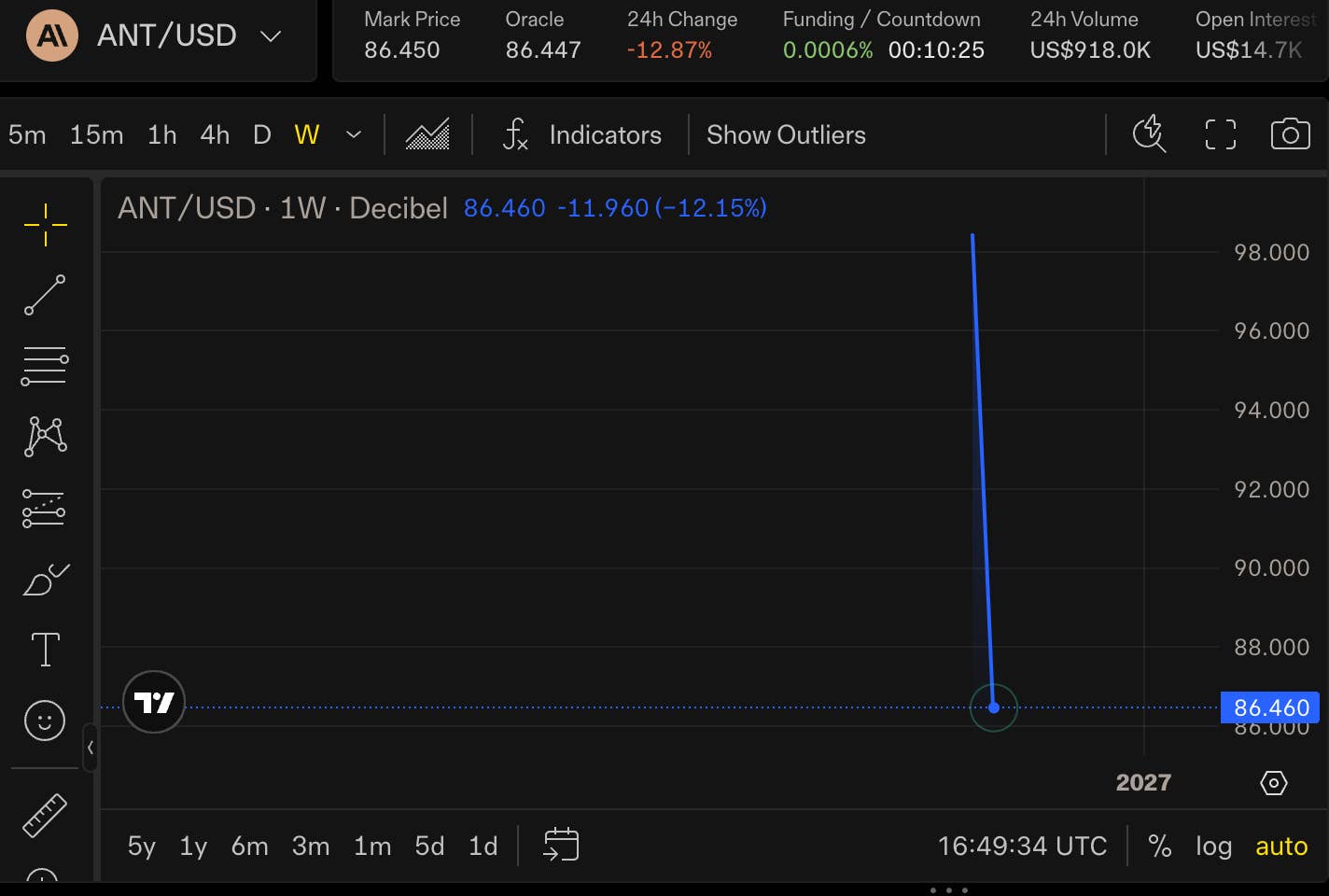
The weakness comes as Anthropic (NASDAQ: ANT) extends its post-IPO stock decline, with shares falling toward $85 on their second trading day. The Claude developer's record listing has failed to reverse deteriorating sentiment across the technology sector.
Nvidia Stock Loses 43% Despite $115.8 Billion Earnings
Nvidia's collapse is particularly striking because its financial performance continues to accelerate.
According to the company's November 17 earnings release, quarterly revenue increased 103% year over year to $115.8 billion, while data-center revenue surged 110% to $107.6 billion.
<iframe src=”https://widgets.coincodex.com/w/a16a311f-ebdb-4971-974b-604c75142646?site=coinpaper&mode=light” width=”100%” height=”568” frameborder=”0” referrerpolicy=”no-referrer-when-downgrade” style=”border:0;background:transparent;border-radius:0px;”></iframe>
Management also projected approximately $130 billion in fourth-quarter revenue, demonstrating continued demand for advanced AI processors.
Nevertheless, the results failed to establish a lasting recovery. Nvidia shares were heading for their seventh consecutive losing session on Friday, with investors increasingly focused on valuation risks, leadership uncertainty and regulatory scrutiny.
California's latest investigation into Nvidia added another concern after authorities issued a subpoena examining potential China-related technology transfers and investor disclosures. The inquiry has not established wrongdoing.
Anthropic's Record IPO Fails to Rescue AI Stocks
Anthropic's public-market debut had been viewed as another potential catalyst for an AI sector recovery.
The company initially priced 980 million shares at $83 each, raising approximately $81.3 billion. Its November 20 announcement confirmed that the final IPO expanded to approximately $93.5 billion in gross proceeds following full exercise of the underwriters' additional-share option.
Despite the record offering, Anthropic's first trading session disappointed investors who bought near the opening price.
ANT opened at $111.50 on November 19 before closing at $97.17. Shares subsequently dropped approximately 13% toward $85 on Friday, leaving them barely above the original offering price.
The volatile Nasdaq debut illustrates how enthusiasm for AI companies has become increasingly difficult to sustain even during major financial milestones.
Is the AI Bubble Bursting?
The simultaneous weakness reflects growing concerns about the financial sustainability of AI expansion.
Technology companies continue committing enormous sums to data centers, advanced processors and electricity infrastructure. However, investors increasingly question whether future AI revenue will generate sufficient returns to justify those investments.
The industry's reliance on AI infrastructure debt adds another complication, especially as interest rates remain elevated.
Earlier AI valuation concerns highlighted how strong corporate sales can coexist with falling stock prices when investors reduce the premiums they are willing to pay.
According to Charles Schwab, approximately 58% of Nasdaq 100 components had entered individual bear-market territory by Friday, falling at least 20% from their respective highs.